

Related Insights
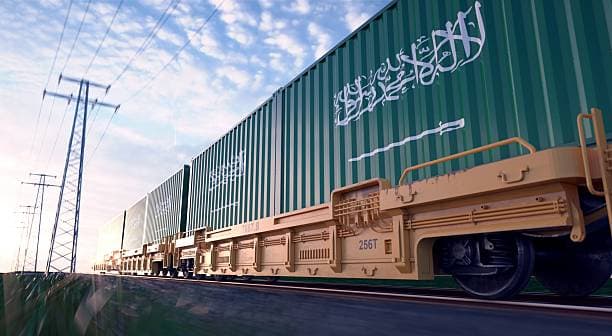
SABIC’s Q3 Supply Calendar: Saudi Export Strategy Sets Global Chemical Prices
SABIC’s Q3 supply calendar has emerged as a key indicator for polymer and chemical flows worldwide, with Ras Tanura’s logistics network playing a pivotal role. The company’s allocation decisions influence pricing, inventory levels, and competitive dynamics across major export markets.

Geopolitical Intelligence: Shielding Chemical Buyers from Market Volatility
In campanha for chemical procurement, real‑time geopolitical intelligence outpaces traditional weekly updates, protecting margins against volatile energy policies. By tracking policy shifts instantly, buyers secure stable pricing and smarter purchasing decisions. This article explains why legacy reports fail in today’s fast‑moving supply chain.
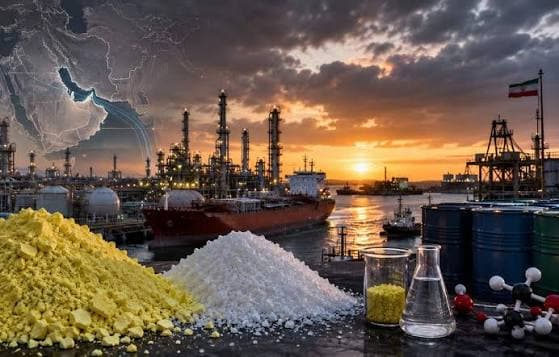
Methanol: Ar-Razi's Suspended Exports and the Japanese JV's Q3 Supply Gap
The suspension of methanol exports from Ar-Razi Saudi Methanol, one of the world’s largest methanol producers and a critical Mitsubishi Gas Chemical joint venture, became one of the most important supply disruptions of the 2026 Hormuz crisis. This week may determine whether improving shipping conditions finally allow commercial supply recovery to begin.

The Contradiction Index: Tracking the Gap Between Diplomatic Signals and Physical Reality in Hormuz
July 1 reveals the biggest contradiction of the Hormuz crisis so far: diplomacy suggests progress, but physical shipping data shows continued disruption. For chemical procurement professionals, understanding the gap between political signals and operational reality has become essential for making correct supply chain decisions.

Hengli Petrochemical Q1 2026 Profit Surge: How the Hormuz Crisis Reshaped Global Petrochemical Competition
Hengli Petrochemical reported a remarkable 90.65% year-on-year increase in net profit during Q1 2026 as supply disruptions around the Strait of Hormuz altered global trade flows. This article examines the factors behind China's refining advantage, the export surge that followed and what buyers should expect as Middle Eastern supply returns to the market.
US-Iran MOU: 60-Day Nuclear Negotiation Window Is the Next Chemical Market Risk Event
The US-Iran MOU has initiated a 60-day nuclear negotiation window running to August 2026, creating a key risk horizon for global chemical markets. Any breakdown in talks could escalate tensions around the Hormuz Strait, potentially disrupting supply chains and triggering volatility in commodity chemical pricing.
Don't miss out on our updates! Subscribe to our newsletter now
We're committed to your privacy. Tradeasia uses the information you provide to us to contact you about our relevant content, products, and services. For more information, check out our privacy policy.