

Related Insights

Chinese Needs Create Deals at Worlds Biggest Coal Conference
Due to an increase in domestic costs for the polluting fuel and a rise in electricity demand, China's growing hunger for thermal coal exports has sparked a flurry of deal-making at the largest industry convention in the world, which is taking place in Indonesia.The three-day Coaltrans conference, wh

EU Tariffs on Russian Fertilizer Redirect Global Trade Flows
The European Union’s new customs duties on Russian nitrogen, phosphate, and potash have forced farmers and traders worldwide to rethink sourcing, logistics, and pricing strategies. This article explores how the tariffs are reshaping global fertilizer markets, freight routes, and procurement decisions across the agricultural supply chain.
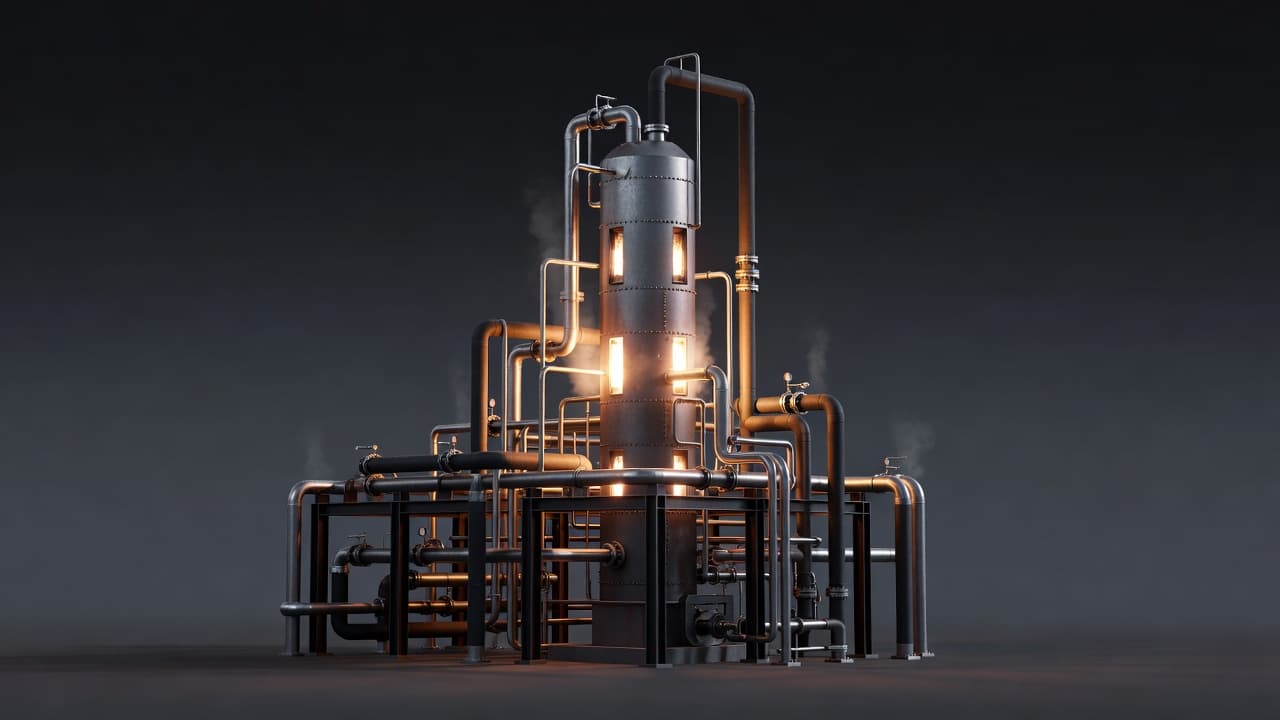
Steam Cracker Economics: How China's High Utilization Is Squeezing European Petrochemical Producers
Chinese steam crackers operating near maximum capacity can spread fixed costs across larger output volumes and export surplus petrochemicals into global markets. European crackers averaging around 75% utilization face a widening cost disadvantage that could reshape polymer pricing, regional production and procurement strategies
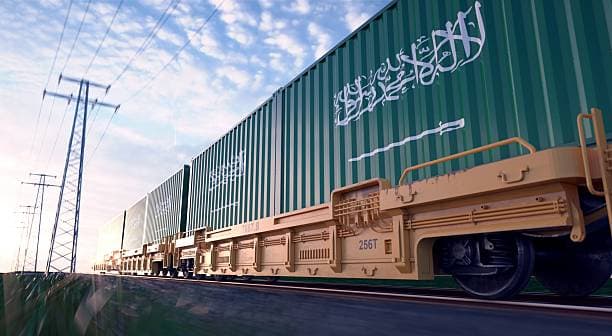
SABIC’s Q3 Supply Calendar: Saudi Export Strategy Sets Global Chemical Prices
SABIC’s Q3 supply calendar has emerged as a key indicator for polymer and chemical flows worldwide, with Ras Tanura’s logistics network playing a pivotal role. The company’s allocation decisions influence pricing, inventory levels, and competitive dynamics across major export markets.
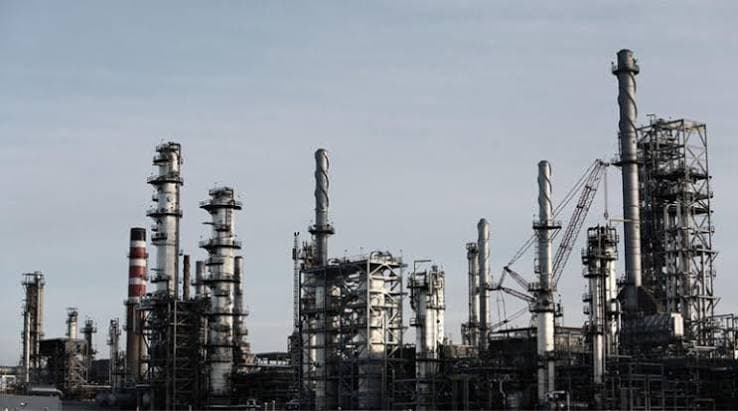
Acetic Acid: India's July 1 Duty Reinstatement in Numbers
India’s reinstatement of the 5 percent customs duty on acetic acid imports raises landed costs by approximately $27 to $30 per tonne beginning July 1. For Indian manufacturers, the increase remains below April’s crisis peak pricing but represents a permanent structural cost change for H2 2026 procurement planning.
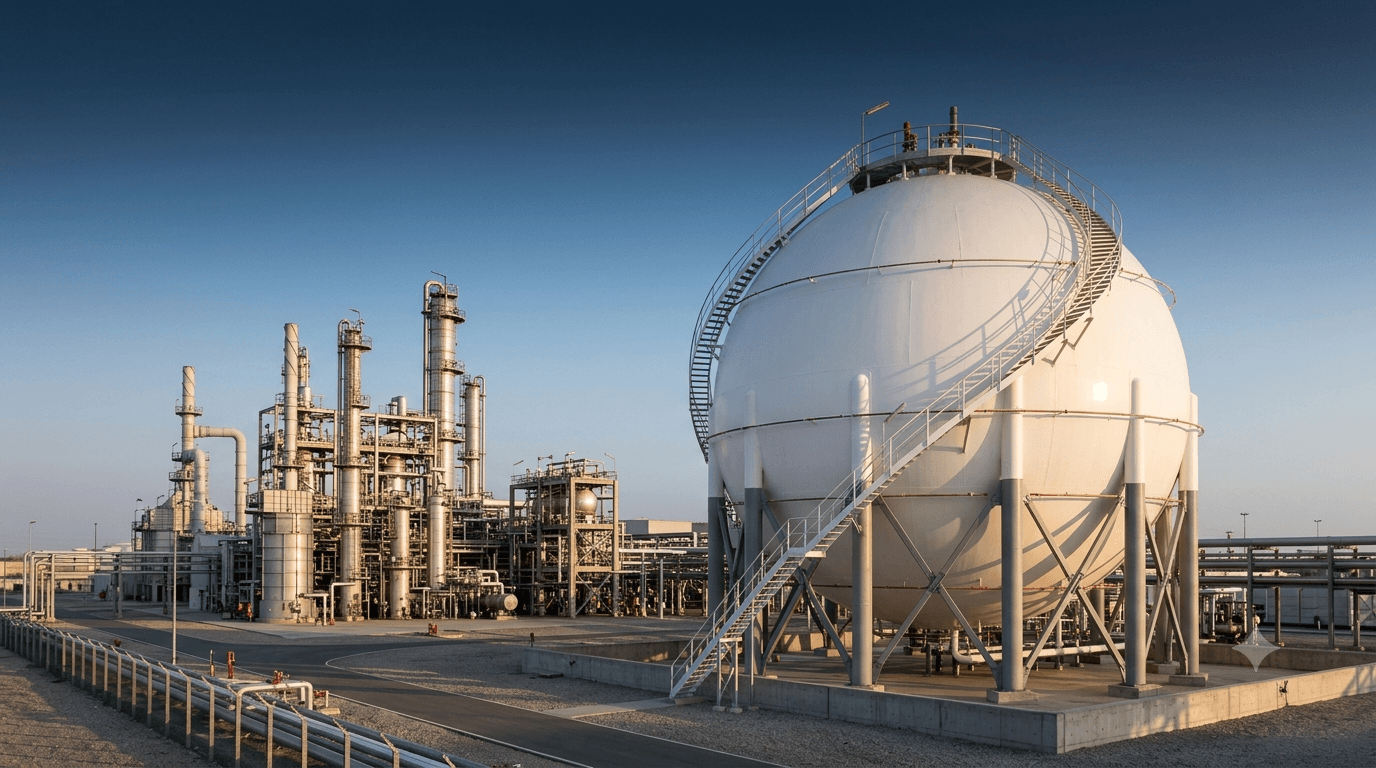
Singapore's PCS Force Majeure: Why the Chemical Producer Released All Customers and What Buyers Should Do Next
Singapore's PCS force majeure declaration reshaped supply planning for petrochemical buyers across Asia. As Middle East shipping conditions improve, procurement teams now face important decisions on contract renegotiation, delivery schedules and pricing.
Don't miss out on our updates! Subscribe to our newsletter now
We're committed to your privacy. Tradeasia uses the information you provide to us to contact you about our relevant content, products, and services. For more information, check out our privacy policy.