
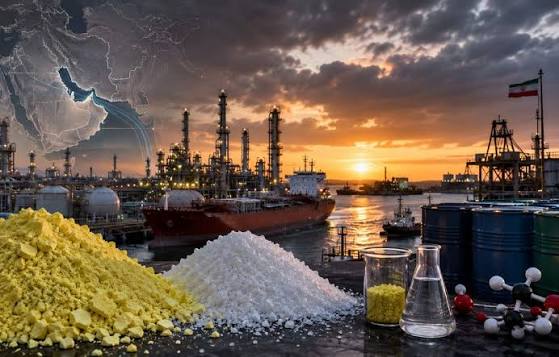
Methanol CAS: 67-56-1
Methanol CAS: 67-56-1
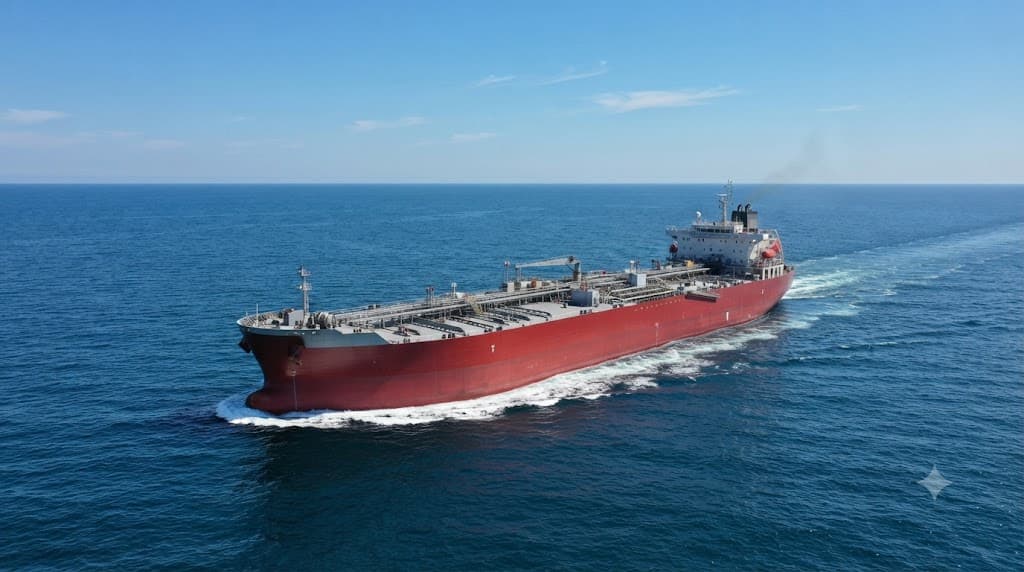
The current escalation has directly touched Iran, the US, Kuwait, the UAE, Oman, Jordan, Saudi Arabia and Yemen. Chemical buyers must rank this expanded footprint against past crises to adjust procurement strategies.
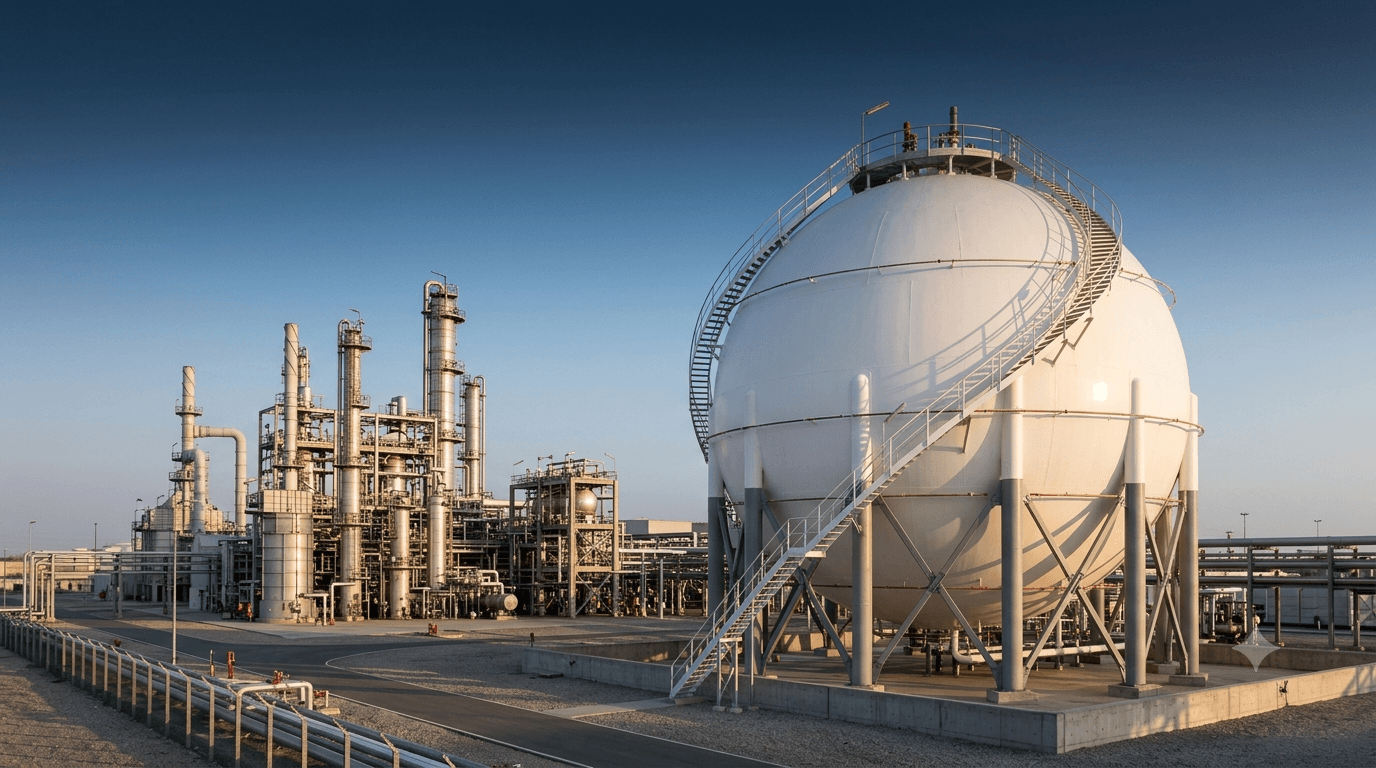
Singapore's PCS force majeure declaration reshaped supply planning for petrochemical buyers across Asia. As Middle East shipping conditions improve, procurement teams now face important decisions on contract renegotiation, delivery schedules and pricing.
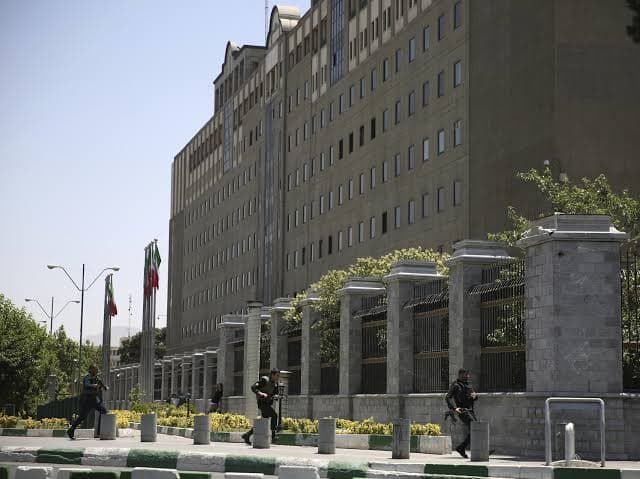
Iran enters H2 2026 presenting three distinct institutional positions on diplomacy, maritime security and international engagement. For chemical buyers, understanding these competing policy signals is becoming as important as monitoring production capacity or sanctions compliance.

July 1 reveals the biggest contradiction of the Hormuz crisis so far: diplomacy suggests progress, but physical shipping data shows continued disruption. For chemical procurement professionals, understanding the gap between political signals and operational reality has become essential for making correct supply chain decisions.
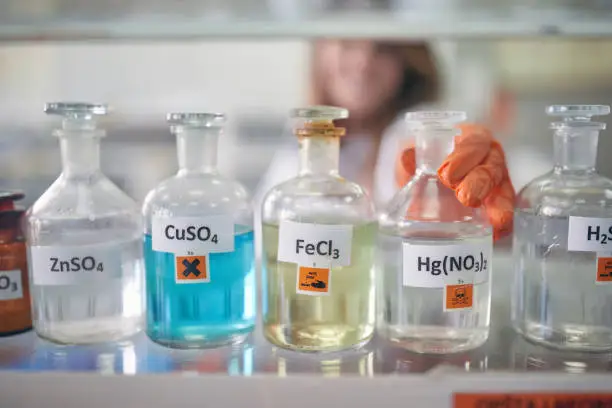
H1 2026 saw a structural shift in LABSA and surfactant supply chains as Indian producers (IOCL, HOC) expanded market share
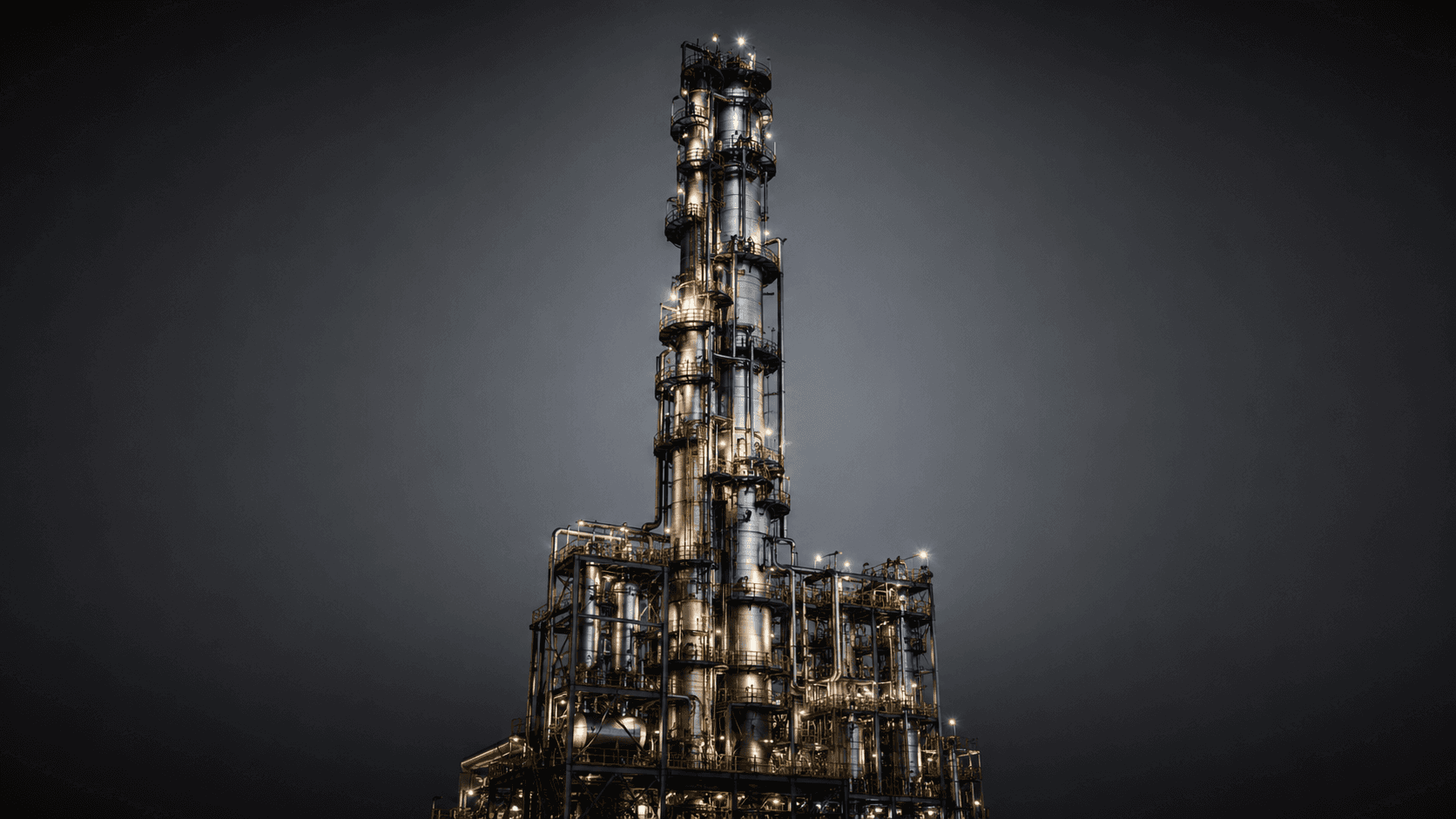
Hengli Petrochemical reported a remarkable 90.65% year-on-year increase in net profit during Q1 2026 as supply disruptions around the Strait of Hormuz altered global trade flows. This article examines the factors behind China's refining advantage, the export surge that followed and what buyers should expect as Middle Eastern supply returns to the market.
We're committed to your privacy. Tradeasia uses the information you provide to us to contact you about our relevant content, products, and services. For more information, check out our privacy policy.