
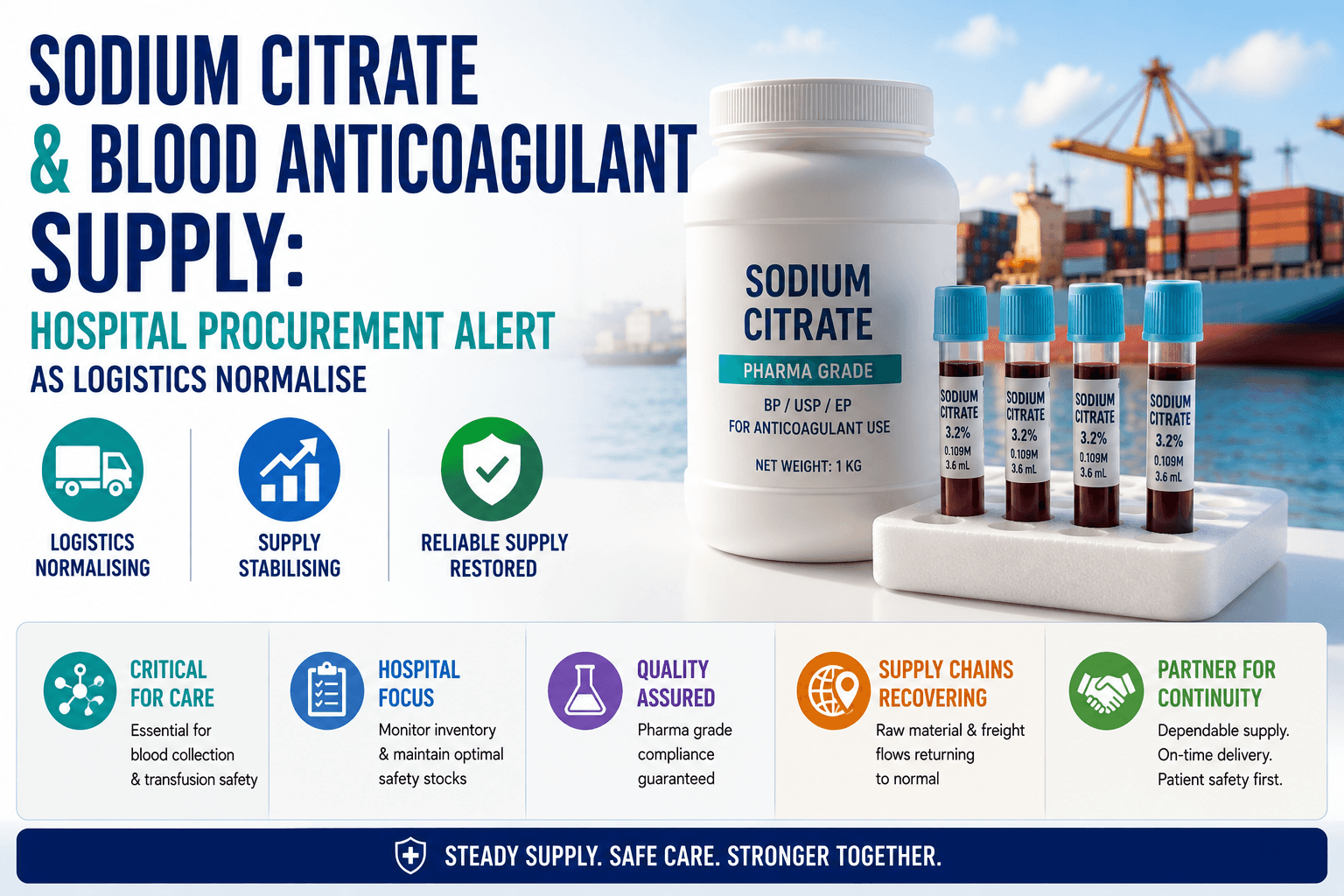
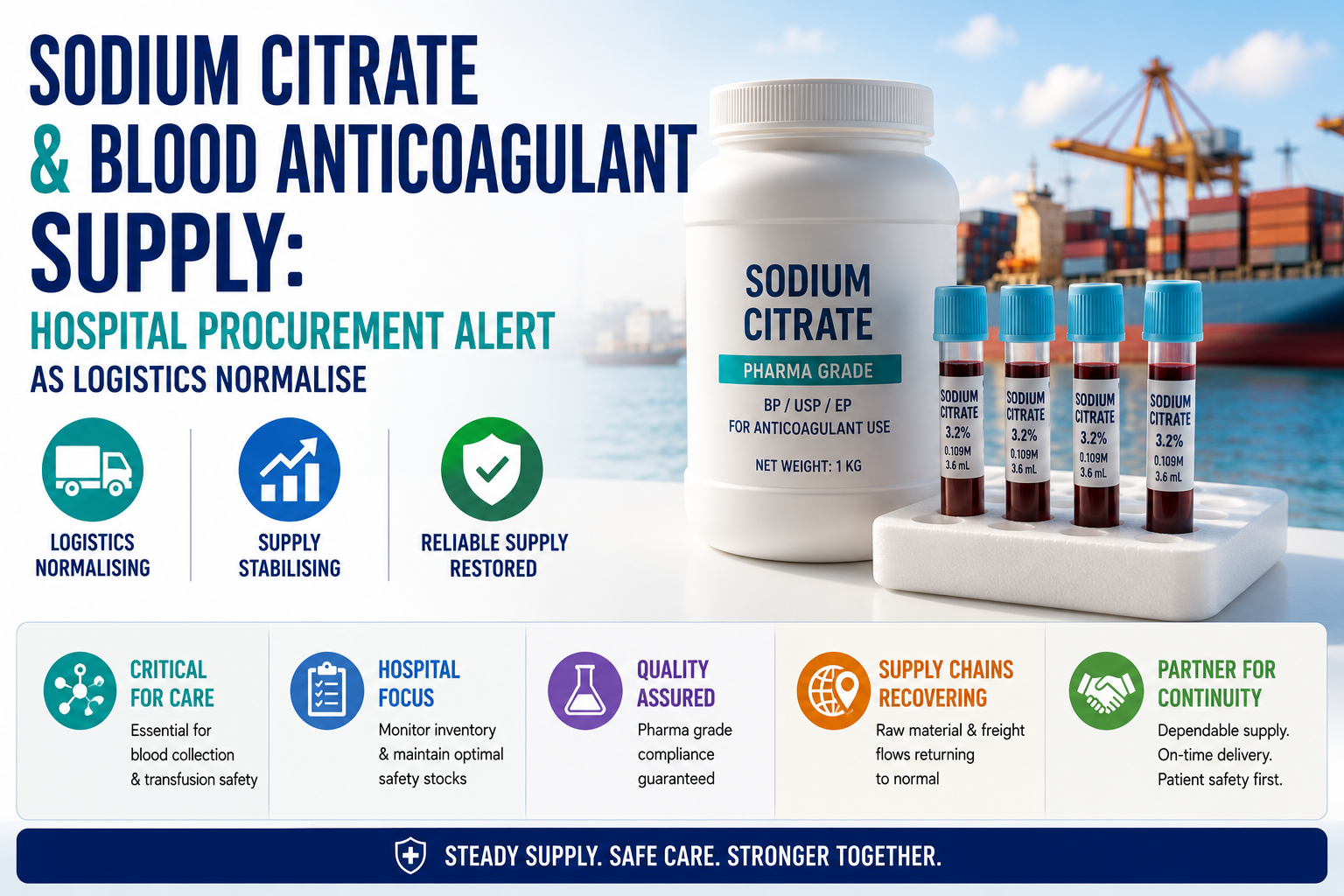
Trisodium Citrate Dihydrate (E331(iii)) CAS: 6132-04-3

As freight and logistics rates climb, farmers find their break‑even points shrinking, forcing reevaluation of fertilizer purchases and supply chain strategies. This article explores how transport shocks ripple through farm economics, input costs, and overall profitability.
Refrigerant R22 prices surged by more than 2,000 yuan per tonne within a single week during July 2026, drawing attention across China's chemical market. Procurement teams should understand what such rapid movements may signal for refrigerant supply, industrial demand and purchasing strategies.
Chemical supply chains depend on stable trade routes, diplomatic channels and predictable negotiations. The Oman crisis shows how quickly geopolitical decisions can affect sourcing strategies, supplier confidence and procurement planning.

War risk insurance has become one of the biggest cost drivers for Gulf chemical shipments in H1 2026. This review explains why premiums remain elevated even as physical exports recover and what procurement teams should expect during H2 2026.

The UN warns 9.1 million more people in Asia could face acute food insecurity if fertilizer supply disruptions continue through July. For agricultural procurement teams, ammonia and urea supply recovery is now an operational priority with direct consequences for global crop production.

The 2026 Hormuz crisis disrupted global chemical trade, but created major commercial winners. From OCP Morocco and Nutrien to Wanhua Chemical and US exporters, H1 2026 proved that supply chain disruption often shifts value rather than destroying it.
We're committed to your privacy. Tradeasia uses the information you provide to us to contact you about our relevant content, products, and services. For more information, check out our privacy policy.