


Deoiled Rice Bran

As freight and logistics rates climb, farmers find their break‑even points shrinking, forcing reevaluation of fertilizer purchases and supply chain strategies. This article explores how transport shocks ripple through farm economics, input costs, and overall profitability.

Lubrizol has introduced LED-driven chlorination reactors at its Louisville, Kentucky manufacturing facility to support chlorinated polyvinyl chloride production. Procurement teams should understand how process innovation can improve manufacturing efficiency, product consistency and long-term supply reliability.
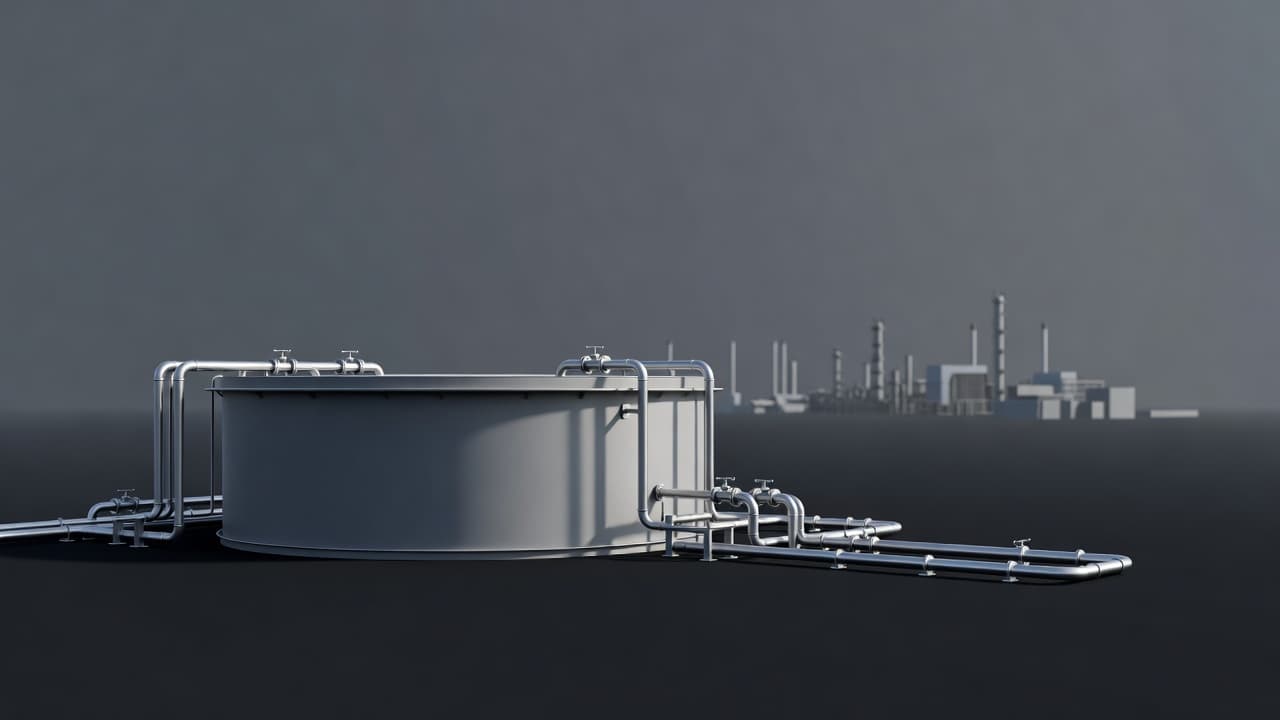
The Strait of Hormuz disruption is increasingly viewed as a long-term turning point rather than a temporary supply shock. Procurement teams are adapting sourcing strategies, supplier networks and inventory policies for a more resilient petrochemical supply chain.

The 2024 Hormuz crisis exposed fragilities in global feedstock supply chains, spotlighting the resilience of post‑consumer recycled chemicals. This article explores how domestic circular feedstocks reduce procurement risk, advance sustainability, and strengthen the circular economy.

The latest Cape of Good Hope routing update released on Friday, July 10, reveals a nuanced shift in freight costs for Asia‑Europe chemical shipments. Bunker Adjustment Factors and the recent BAF reset have reshaped container shipping rates, impacting procurement decisions across the supply chain.

July 1 reveals the biggest contradiction of the Hormuz crisis so far: diplomacy suggests progress, but physical shipping data shows continued disruption. For chemical procurement professionals, understanding the gap between political signals and operational reality has become essential for making correct supply chain decisions.
We're committed to your privacy. Tradeasia uses the information you provide to us to contact you about our relevant content, products, and services. For more information, check out our privacy policy.