
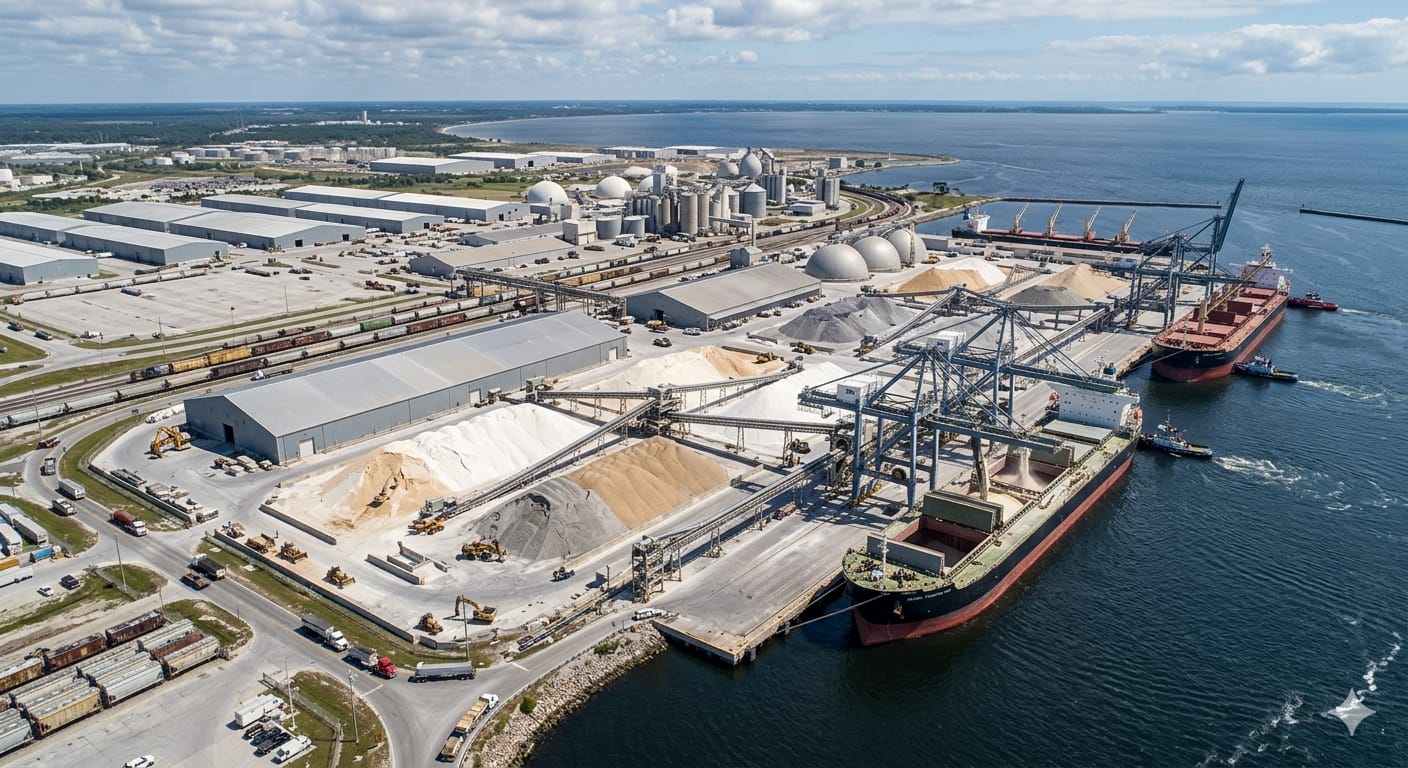
Diammonium Phosphate (Technical 18-46) - Morocco CAS: 7783-28-0
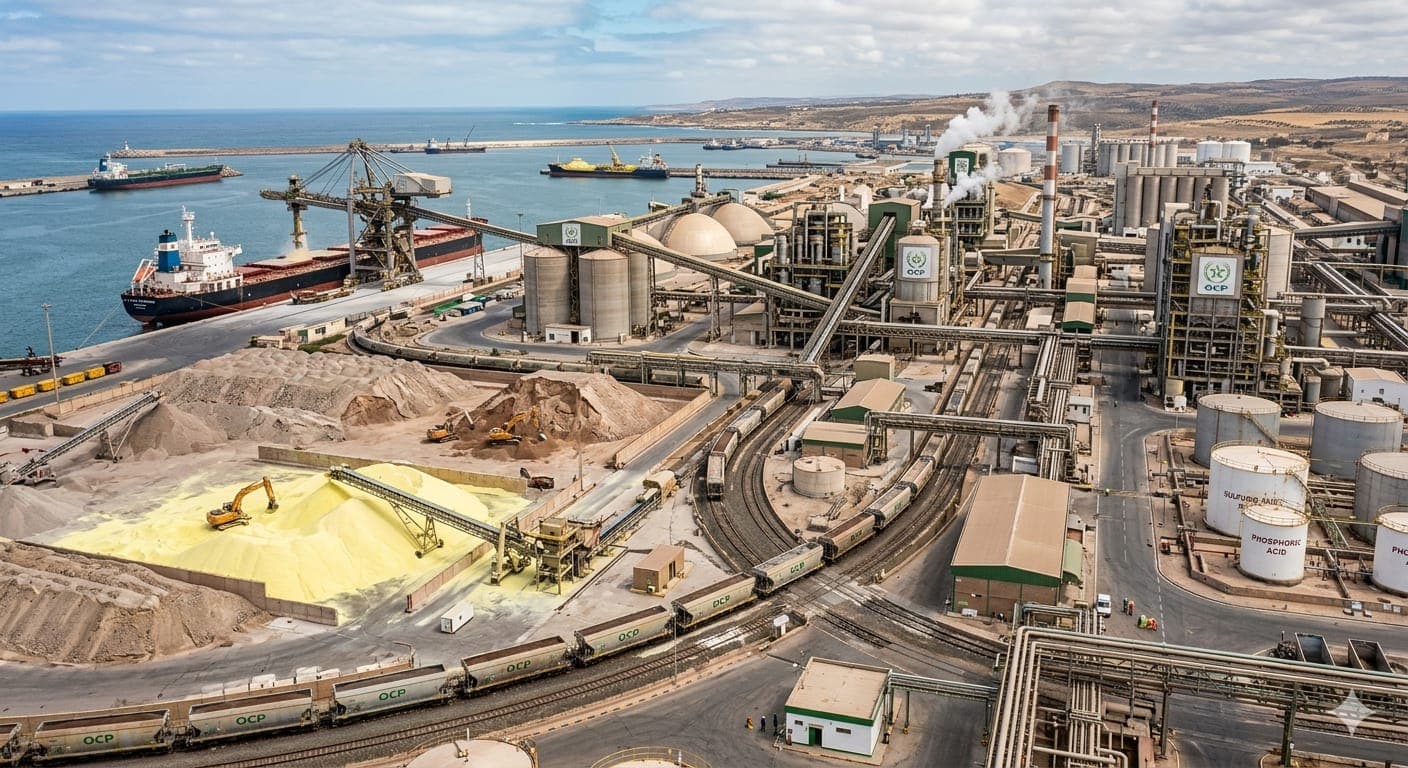
Diammonium Phosphate (Technical 18-46) - Morocco CAS: 7783-28-0

H1 2026 closes with a 15 to 20 percent contraction in peak chemical seaborne trade, elevated insurance costs and permanent routing shifts. This report outlines how logistics structures are resetting across global chemical supply chains and what H2 2026 will look like.
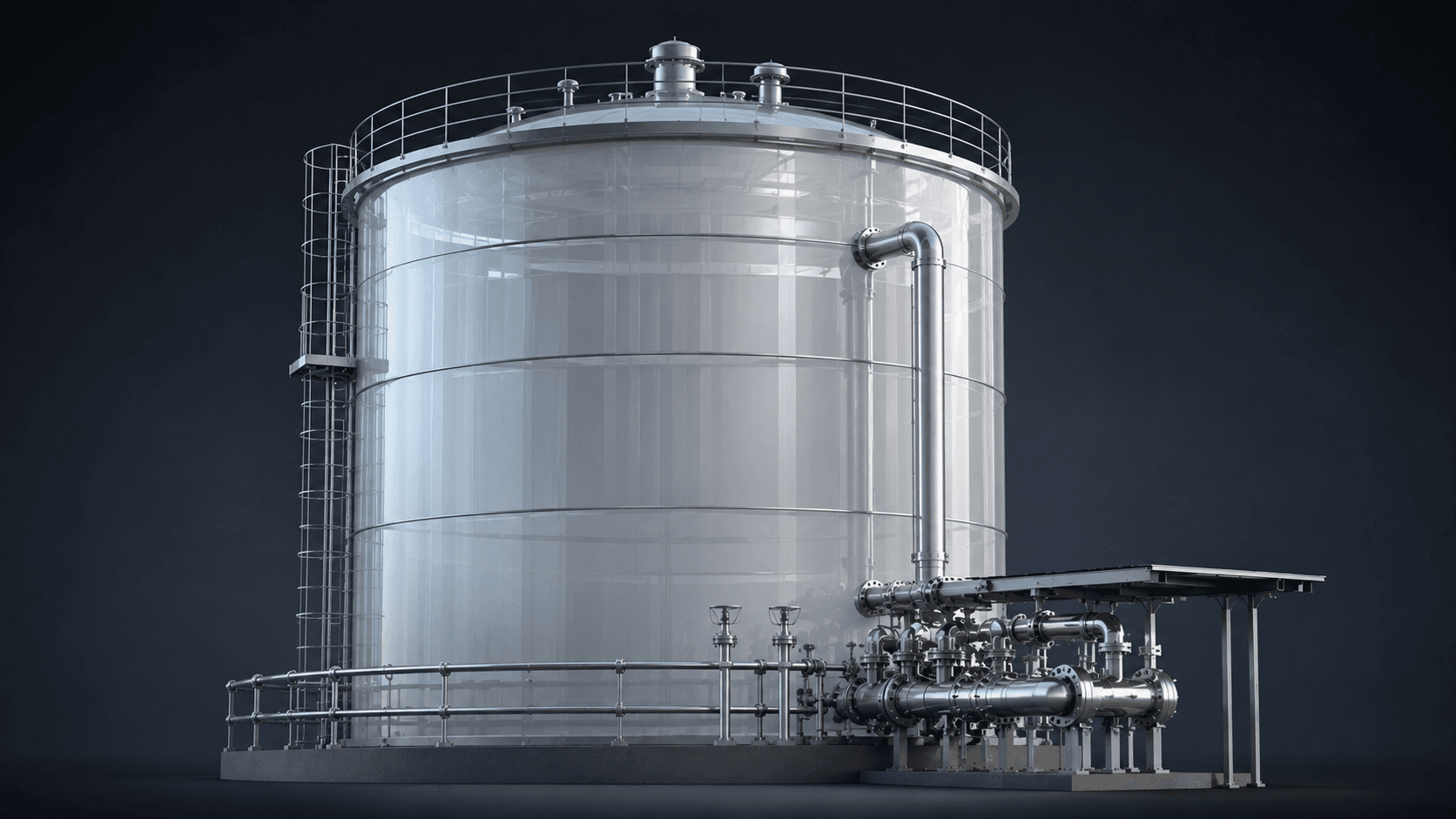
Formaldehyde producers may finally see feedstock cost pressure ease as methanol supply conditions improve and crude oil prices remain softer. However, buyers of urea-formaldehyde and phenol-formaldehyde resins should not expect immediate price reductions, as contract structures and inventory cycles will delay market adjustments into August 2026.
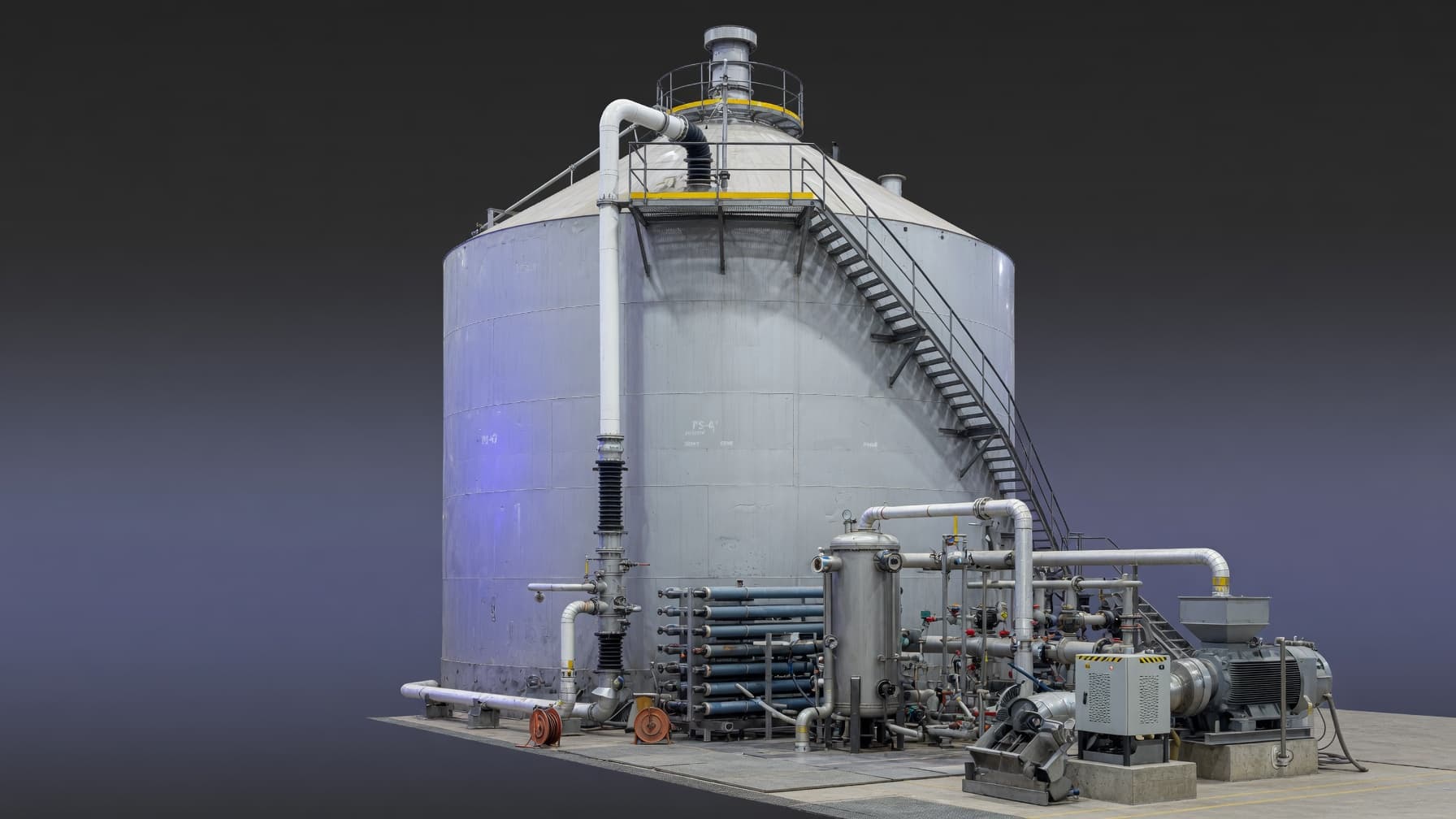
The polystyrene market is entering another phase of capacity adjustment after INEOS Styrolution announced the closure of its Channahon plant in Illinois. Buyers should monitor supply availability, regional production shifts and global oversupply trends affecting pricing.
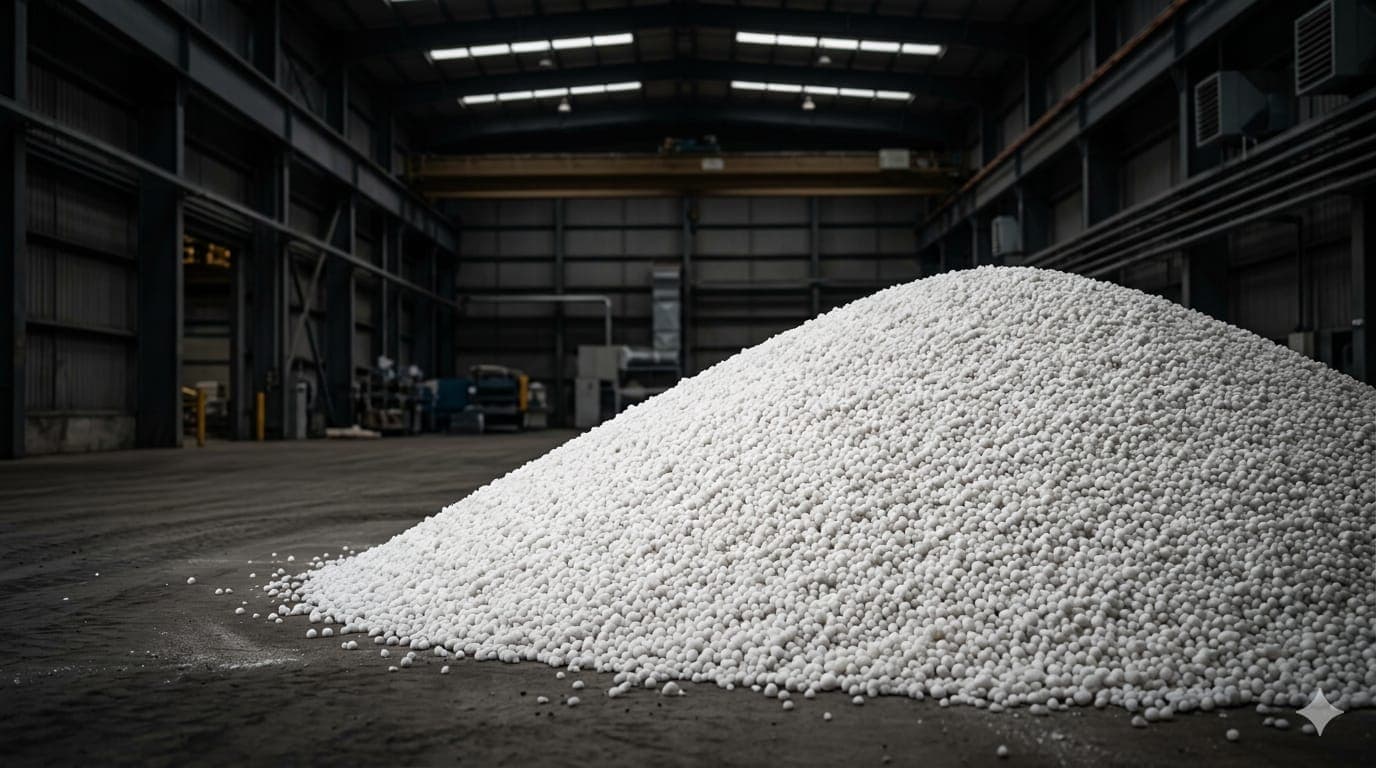
rea prices have fallen nearly 37% in a month after reaching multi-year highs during the Hormuz disruption. Procurement teams now face a market shaped by volatile supply, shifting trade flows and uncertainty over the second half of 2026.

In March 2026, India’s detergent sector hit a crisis‑level price spike as petrochemical feedstock disruptions surged LABSA costs. This article examines how the market recovered, the drivers behind the rebound, and what it means for surfactants and detergent chemicals in India.
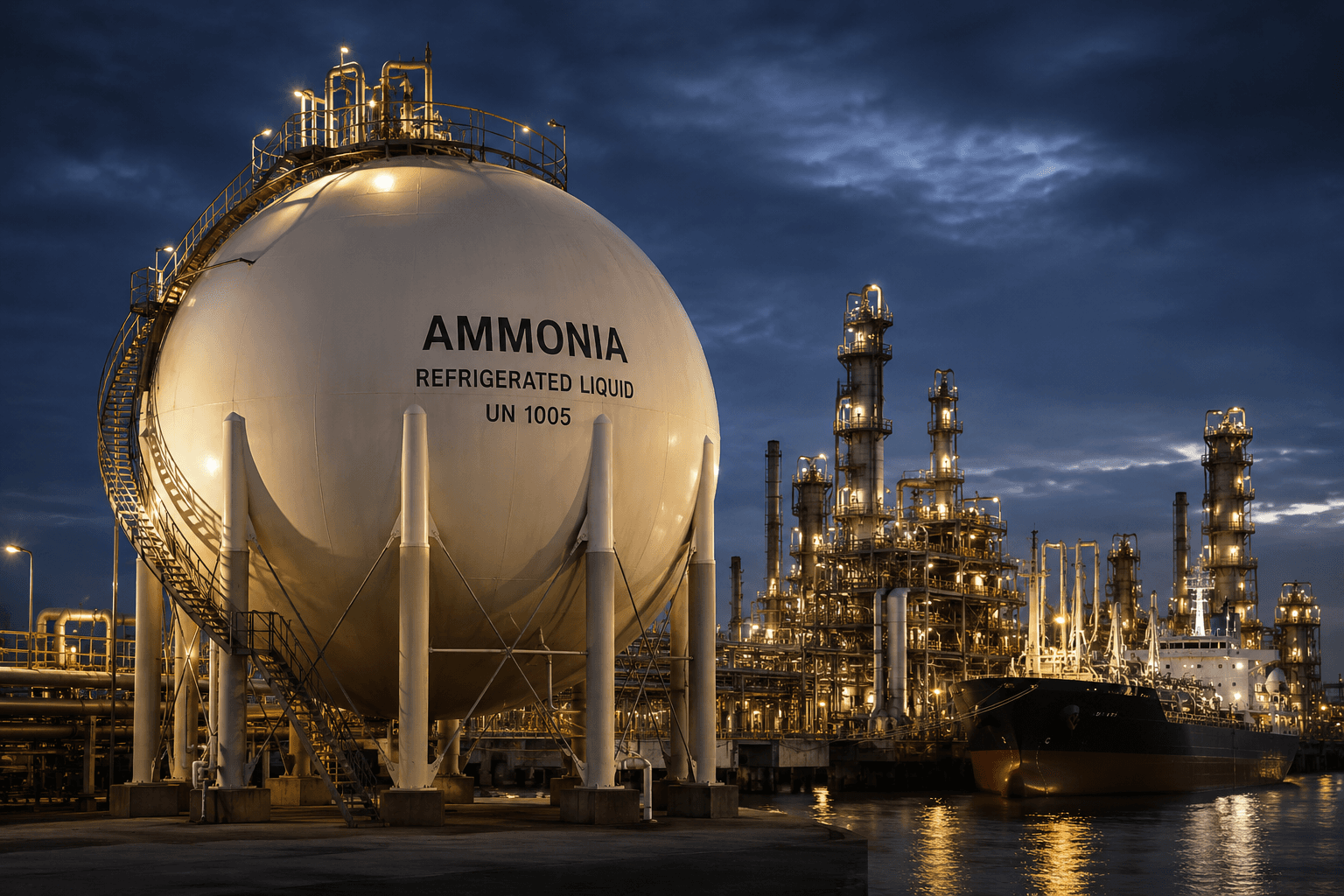
The shutdown of Iranian ammonia production alongside QatarEnergy's force majeure has intensified pressure across global nitrogen fertilizer markets. Procurement teams now face rising prices, constrained supply and a growing need to diversify sourcing strategies beyond the Middle East.
We're committed to your privacy. Tradeasia uses the information you provide to us to contact you about our relevant content, products, and services. For more information, check out our privacy policy.