Explore our network of country and industry based websites to access localized information, product offerings, and business services across our group.
Log in to start sending quotation requests for any product.
Don't have an account? Sign Up Here
Log in now to access technical product documents from our product range.
Don't have an account? Sign Up Here
Home All Products Nisin (E234)
|
IUPAC Name |
: Nisin |
|
Cas Number |
: 1414-45-5 |
|
HS Code |
: 2941.90.90 |
|
Formula |
: C143H230N42O37S7 |
|
Appearance Name |
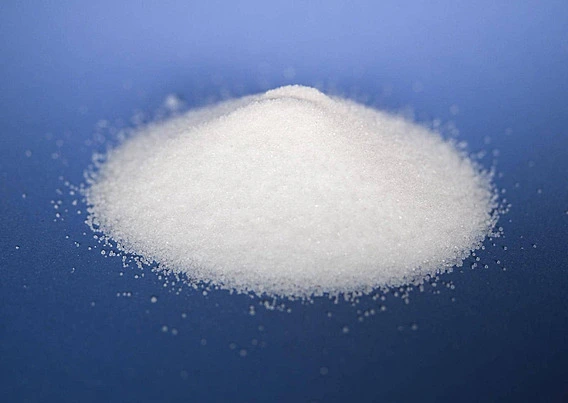
: Off white to light brown color powder |
|
Common Names |
: Nisin, E234 |
|
Packaging |
: 25 kg Carton |
For more detailed information including pricing, customization, and shipping:
Nisin is a natural bacteriocin peptide produced by fermentation of Lactococcus lactis subsp. lactis using dairy-based media, used as a potent antimicrobial preservative (E234) specifically targeting Gram-positive bacteria including Listeria, Clostridium, and Staphylococcus species. In the food industry, it provides targeted pathogen control, clean label preservation, and heat stability ideal for dairy, meat, and canned products extending shelf life without impacting sensory qualities.
Dairy products: Prevents Listeria and Clostridia growth in cheese, processed cheese, yogurt, cream desserts, and pasteurized milk maintaining safety during refrigerated storage.
Canned and processed foods: Controls sporeformers and pathogens in soups, vegetables, meat products, and ready meals preventing blowing and spoilage during heat processing.
Meat and poultry: Inhibits Listeria monocytogenes in sliced meats, sausages, pâtés, and ready-to-eat poultry products extending shelf life under modified atmosphere packaging.
Beverages: Stabilizes fruit juices, carbonated drinks, and alcoholic beverages against spoilage bacteria without affecting yeast fermentation or flavor profile.
Bakery fillings: Protects custard fillings, fruit pies, and cream cakes from bacterial contamination while maintaining fresh texture and appearance.
In animal feed, prevents bacterial spoilage; in cosmetics, provides antimicrobial preservation; in personal care, stabilizes formulations; in dentistry, controls oral bacteria; in water treatment, disinfects process water; in the brewing industry, prevents beer spoilage.



 English

 Indonesian
 简体字
简体字
 العربية
 Español
 Français
 Português
 日本語
日本語
 한국어
한국어
 Tiếng Việt