

Methanol CAS: 67-56-1
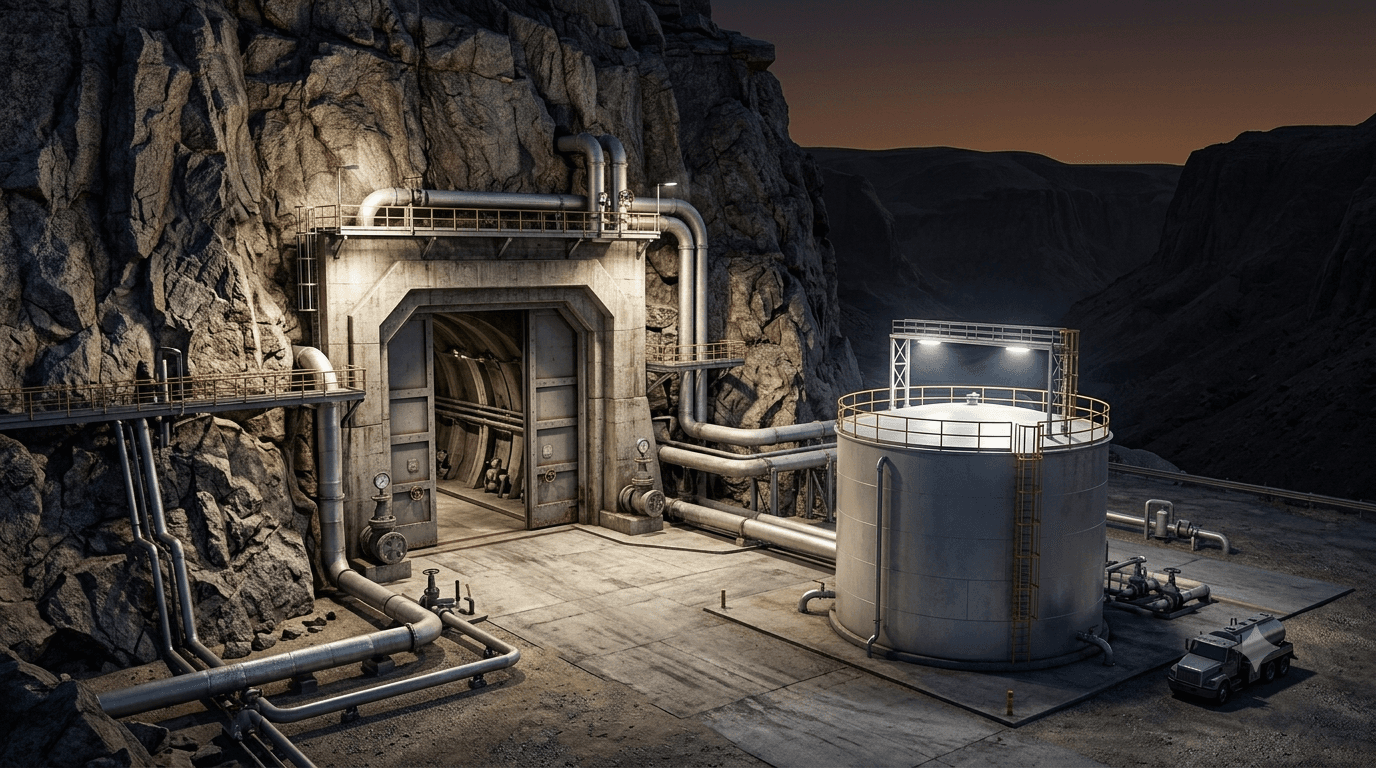
Methanol CAS: 67-56-1
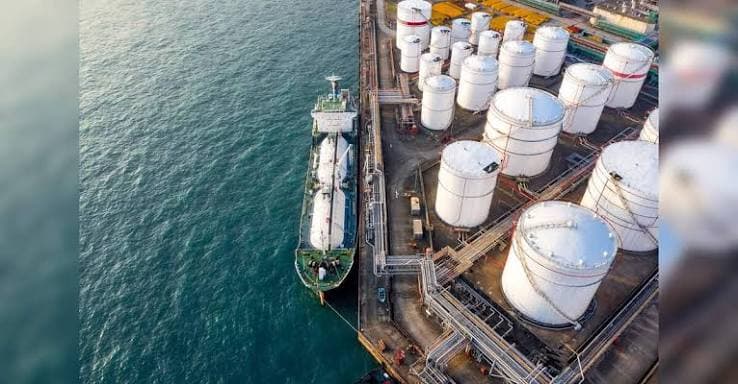
Japan's chemical industry enters H2 2026 after overcoming its most severe naphtha supply disruption in decades. The country's rapid diversification of feedstock sourcing may prove to be the most important long-term outcome of the Hormuz crisis, reshaping procurement strategies well beyond the recovery period.

Headline reports often describe the Strait of Hormuz as closed during periods of military escalation, but AIS vessel tracking frequently tells a different story. This analysis explains why chemical traders and procurement teams should rely on verified shipping movements instead of political rhetoric when managing logistics, sourcing and freight risk.
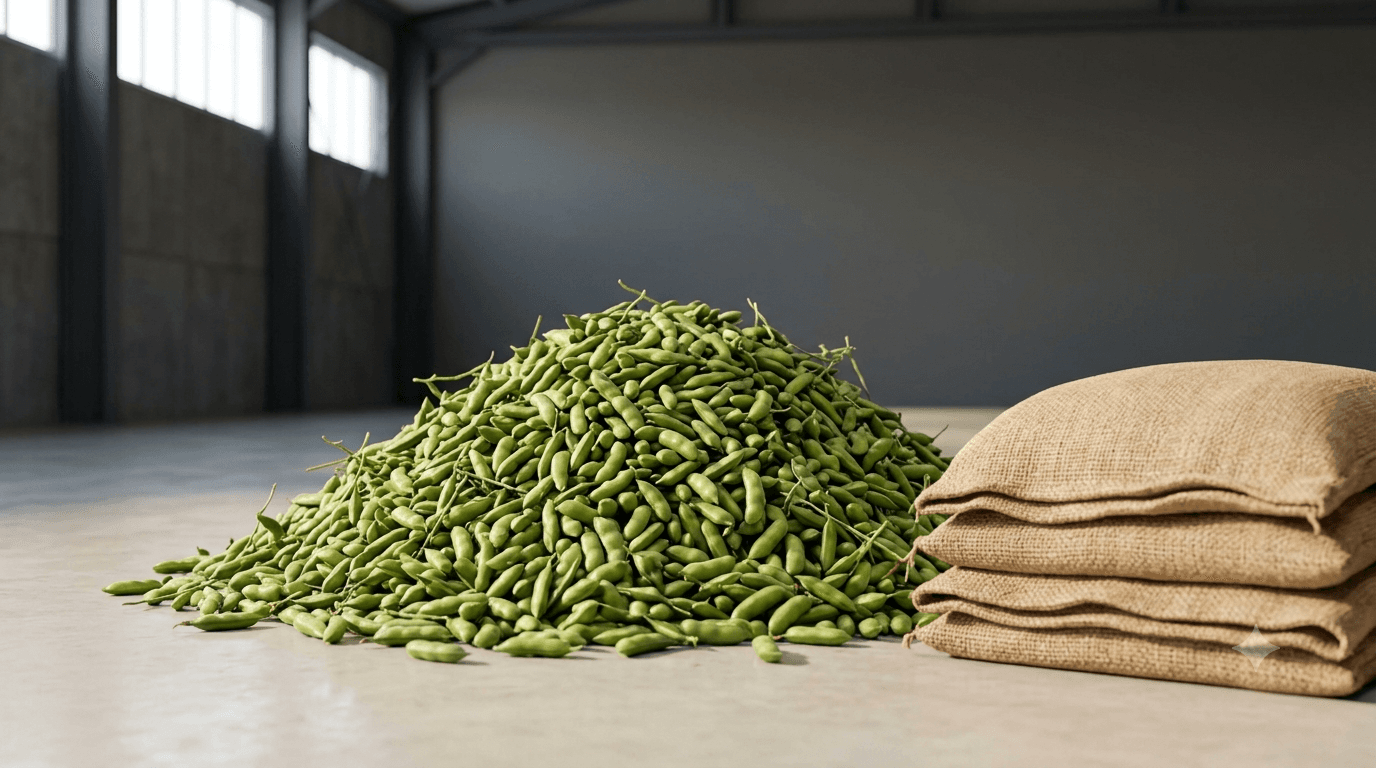
The 2026 Rajasthan guar planting season will determine global guar gum availability for oilfield, food and industrial buyers over the coming year. Early monsoon progress has improved market sentiment, but rainfall distribution across key producing districts will decide whether procurement teams face abundant supply or tighter inventories.
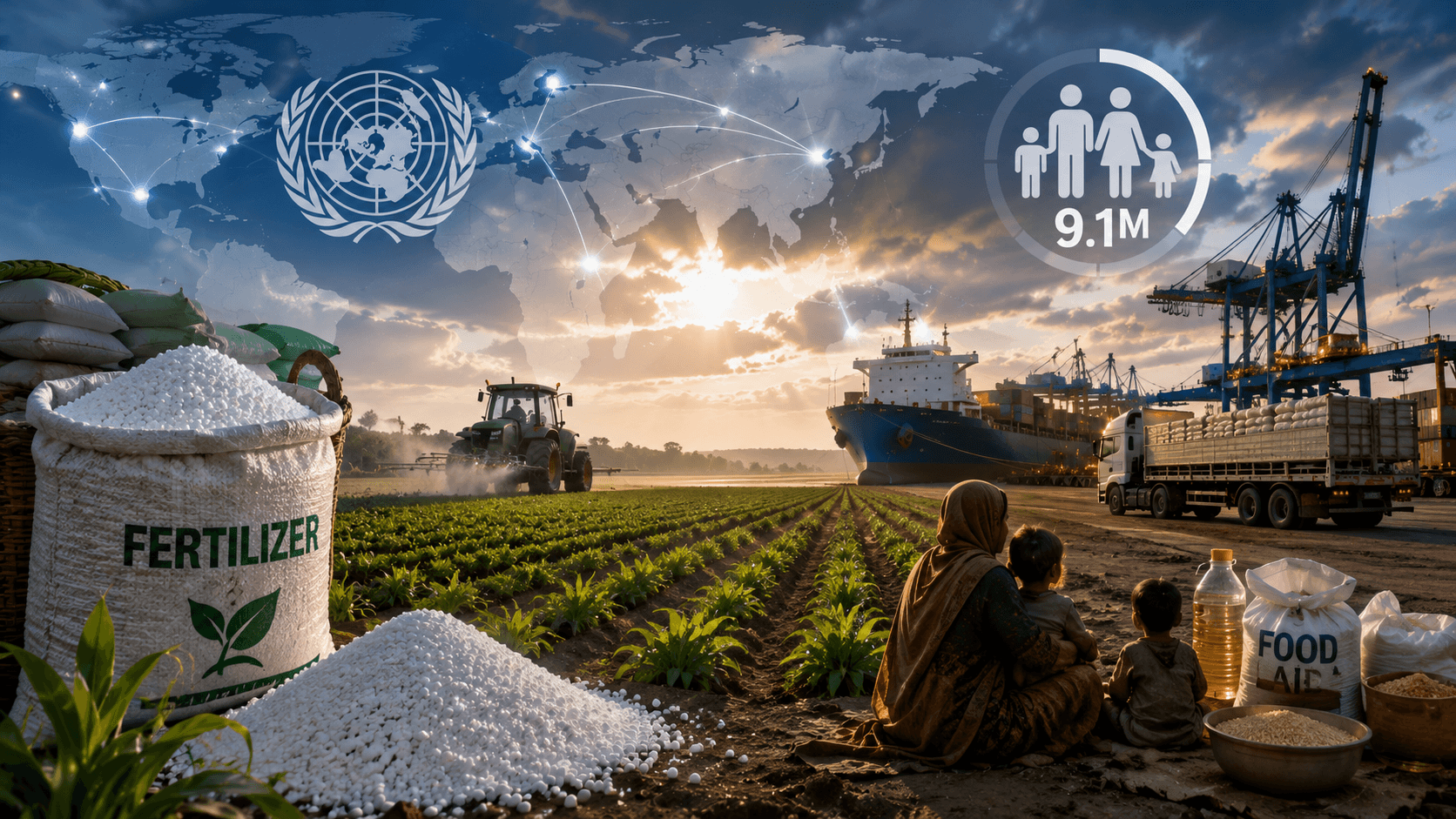
The UN warns 9.1 million more people in Asia could face acute food insecurity if fertilizer supply disruptions continue through July. For agricultural procurement teams, ammonia and urea supply recovery is now an operational priority with direct consequences for global crop production.

The week spanning June 30 to July 7 could become one of the most important trade policy periods of 2026 for chemical buyers, with simultaneous developments in India, the European Union and the United States reshaping procurement decisions.
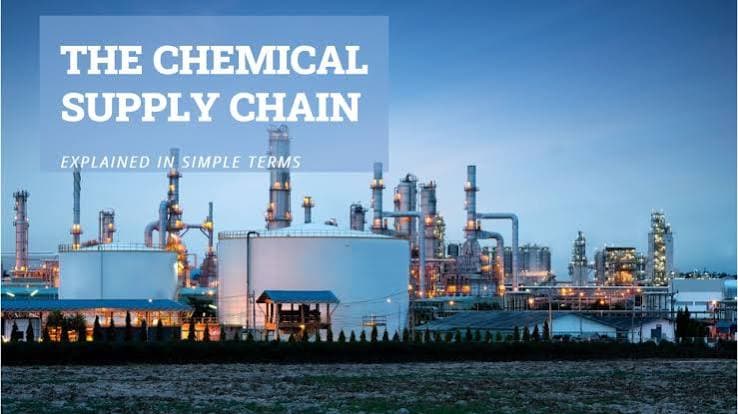
The Hormuz ceasefire agreement has improved sentiment, but supply chain conditions remain far from normal. Vessel congestion, mine clearance operations and production restart delays mean chemical buyers should maintain elevated inventory levels for now.
We're committed to your privacy. Tradeasia uses the information you provide to us to contact you about our relevant content, products, and services. For more information, check out our privacy policy.