

Related Insights
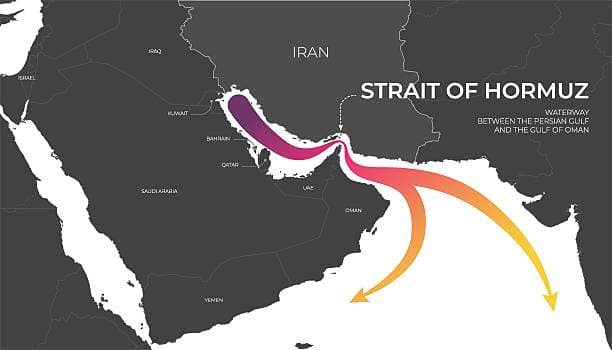
Two Chokepoints, One Crisis: Hormuz & Bab el-Mandeb Threatened Together
Simultaneous threats to the Hormuz and Bab el-Mandeb choke points could ripple through global shipping and chemical supply chains, demanding urgent resilience measures. This article examines the risks, impacts, and strategies to mitigate disruption.
Jones Act Waivers as a Regulatory Tool: What Earlier Shipping Relief Could Mean for Chemical Logistics
A previous 60-day Jones Act waiver eased fertilizer and petroleum transport during supply chain disruption. Chemical procurement and compliance teams should understand how similar regulatory measures could influence domestic logistics, freight availability and contingency planning.
The Global Chemical Downcycle: What “Prioritizing Cash Flow” Really Means for 2026 Output
Chemical companies are entering 2026 with a renewed focus on cash flow, portfolio restructuring and selective investment rather than aggressive expansion. Procurement teams should understand how this strategy could affect production capacity, supplier priorities and long-term supply reliability.
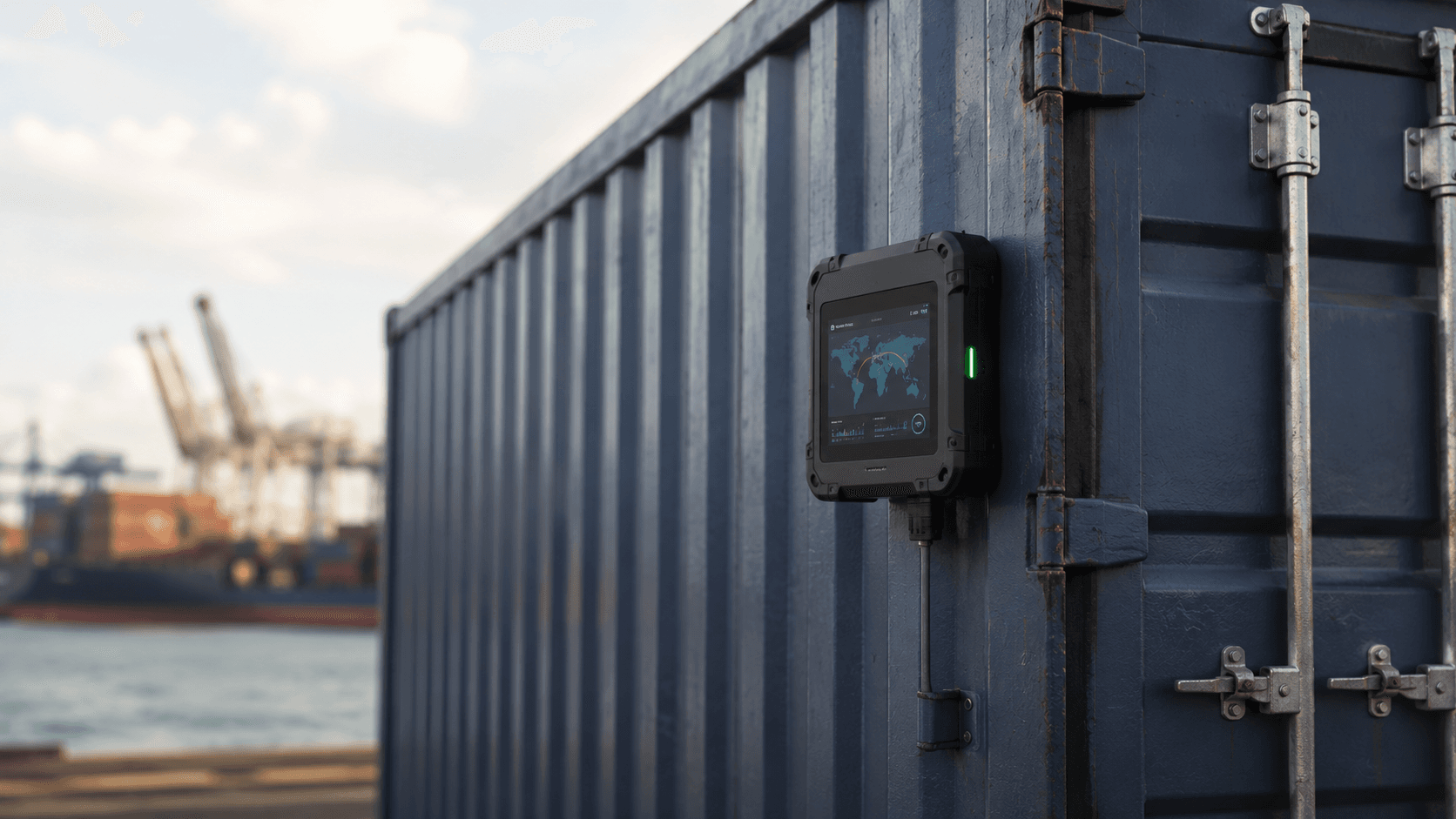
Food Ingredient Supply Chain Technology: Why Real-Time Data Is Becoming Essential for Procurement
Food ingredient procurement has become increasingly dependent on timely market intelligence. Real-time data helps buyers improve shipment visibility, anticipate freight changes and make sourcing decisions with greater confidence.

Dark Tankers: The AIS Blackout Problem and Its Chemical Supply Chain Documentation Implications
The widespread use of AIS-disabled "dark tankers" during the Hormuz crisis created new compliance and documentation challenges for global chemical supply chains. As escorted convoy operations expand, improved vessel traceability is becoming an important commercial advantage for buyers operating under strict regulatory and quality requirements.

The Contradiction Index: Tracking the Gap Between Diplomatic Signals and Physical Reality in Hormuz
July 1 reveals the biggest contradiction of the Hormuz crisis so far: diplomacy suggests progress, but physical shipping data shows continued disruption. For chemical procurement professionals, understanding the gap between political signals and operational reality has become essential for making correct supply chain decisions.
Don't miss out on our updates! Subscribe to our newsletter now
We're committed to your privacy. Tradeasia uses the information you provide to us to contact you about our relevant content, products, and services. For more information, check out our privacy policy.