
Related Insights
Dark Fleet Tactics Complicate Insurance Underwriting Across Gulf Shipping
The rise of covert dark fleet operations is reshaping risk assessment for Gulf shipping. Marine insurers face new challenges in pricing tanker and chemical cargoes amid sanctions and security threats. Learn how regulators and logistics firms adapt.

Shipping Risk Overtakes Production Economics as Fertilizer’s Main Price Driver
For the first time in decades, freight costs, insurance premiums and maritime disruptions have eclipsed production economics in shaping global fertilizer prices. This shift signals a new era where logistics economics dictate market dynamics more than crop demand or input costs.

Japan's China Fatigue: Why Chemical Makers Are Redirecting Investment to India
Japanese chemical manufacturers are shifting investment away from China toward India after years of deepening engagement in Chinese markets. The pivot centers particularly on solar materials and reflects broader frustrations with operating conditions in China that procurement teams managing Asian supply chains must understand as sourcing patterns reshape across the region.
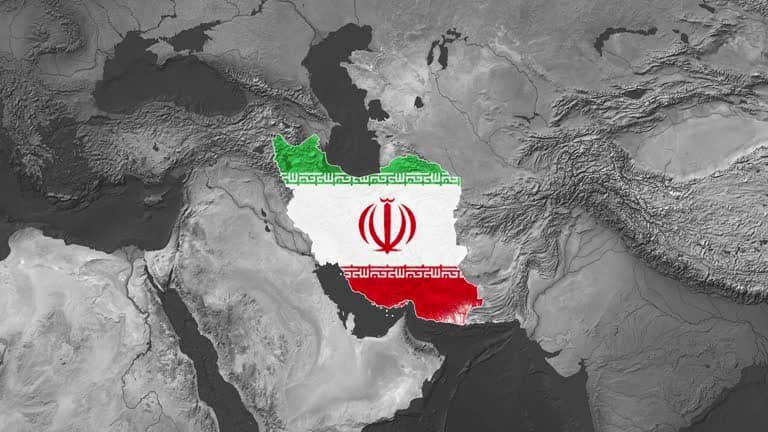
Iran's Hormuz Service Fees: A New Cost Layer for Gulf Chemical Trade
Iran’s proposed Hormuz transit fees could add $500–750 million annually to global chemical trade costs, creating a permanent landed‑cost increase for Gulf‑origin chemicals. This article analyzes the fee structure, its impact on petrochemical freight risk, and strategies for 2026 chemical procurement.
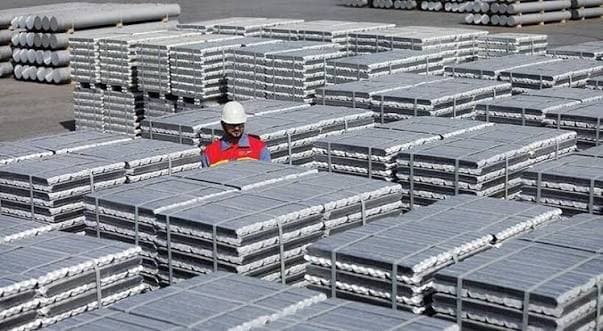
Aluminium and Gulf Metals: Emirates Global Aluminium and Alba Restart Watch
The 2026 Hormuz crisis stranded two of the world’s largest aluminium smelters — Emirates Global Aluminium and Alba Bahrain — quietly disrupting global supply for automotive, aerospace, and packaging manufacturers. With Gulf shipping conditions improving, aluminium logistics may recover faster than petrochemical markets in early H2 2026.
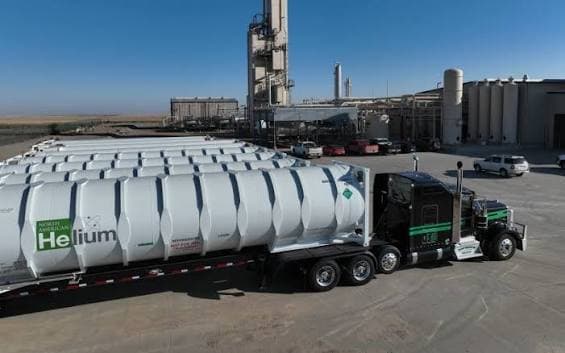
Helium: Qatar's LNG Halt and the Forgotten Supply Chain
The 2026 Hormuz crisis created one of the most overlooked commodity disruptions in global markets: helium. Damage to Qatar’s Ras Laffan LNG infrastructure reduced helium production capacity, creating a structural supply shortage that may persist for years even as shipping conditions across Hormuz begin improving.
Don't miss out on our updates! Subscribe to our newsletter now
We're committed to your privacy. Tradeasia uses the information you provide to us to contact you about our relevant content, products, and services. For more information, check out our privacy policy.