
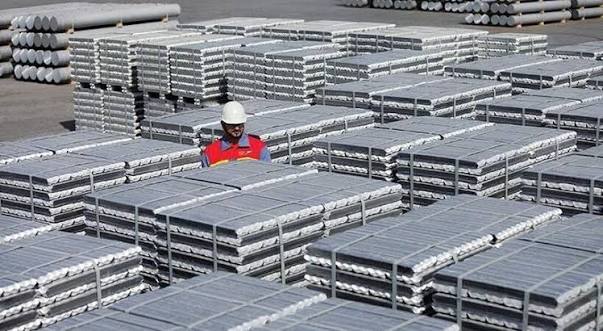
Aluminium Sulfate CAS: 7784-31-8

The 2024 Hormuz crisis exposed fragilities in global feedstock supply chains, spotlighting the resilience of post‑consumer recycled chemicals. This article explores how domestic circular feedstocks reduce procurement risk, advance sustainability, and strengthen the circular economy.

SABIC’s Q3 supply calendar has emerged as a key indicator for polymer and chemical flows worldwide, with Ras Tanura’s logistics network playing a pivotal role. The company’s allocation decisions influence pricing, inventory levels, and competitive dynamics across major export markets.
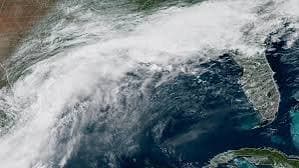
Tropical Storm Arthur’s July 1 Texas landfall is creating short-term supply chain risk for US food manufacturers dependent on Gulf Coast chemical production. Even temporary disruption at Eastman, Celanese, and regional logistics hubs could affect July deliveries of critical food-grade chemicals and processing aids.

This weekly brief highlights Gulf logistics recovery, structural helium constraints, rising GLP‑1 solvent demand, shifting polymer duties in India, and imminent EU regulatory updates. Procurement teams must adjust sourcing strategies to navigate these evolving risks and opportunities.
Today's Doha talks could reshape chemical shipping logistics across the Gulf. With elevated maritime risk, delayed vessel movements and cautious carrier policies, procurement teams need to understand how today's diplomatic outcome could affect Q3 sourcing, freight costs and supply chain planning.

The record 16 million barrel Strait of Hormuz transit on June 21, 2026 has created a new market signal for petrochemical buyers watching supply recovery timelines. This analysis explains when MEG, PTA, methanol and polymer feedstock availability could improve across major import markets.
We're committed to your privacy. Tradeasia uses the information you provide to us to contact you about our relevant content, products, and services. For more information, check out our privacy policy.