
Related Insights

US Potash Risk: Why Canadian Tariff Exposure Still Worries Buyers Despite No Direct Restrictions
Canadian potash tariff uncertainty continues to shape U.S. buyers’ procurement decisions and pricing expectations, even though no formal trade barriers have been imposed. This article explores the lingering risk, its impact on supply chains, and strategic responses adopted by the industry.

Using the Kiel Institute to Separate Temporary Hormuz Costs from Permanent Chemical Procurement Shifts
After the Hormuz shutdown, chemical buyers face a mix of temporary price spikes and lasting market shifts. This article applies the Kiel Institute framework to isolate recoverable costs from permanent baseline changes, providing a roadmap for data‑driven contract renegotiations. Implementing these insights helps teams win back margins as conditions normalize.
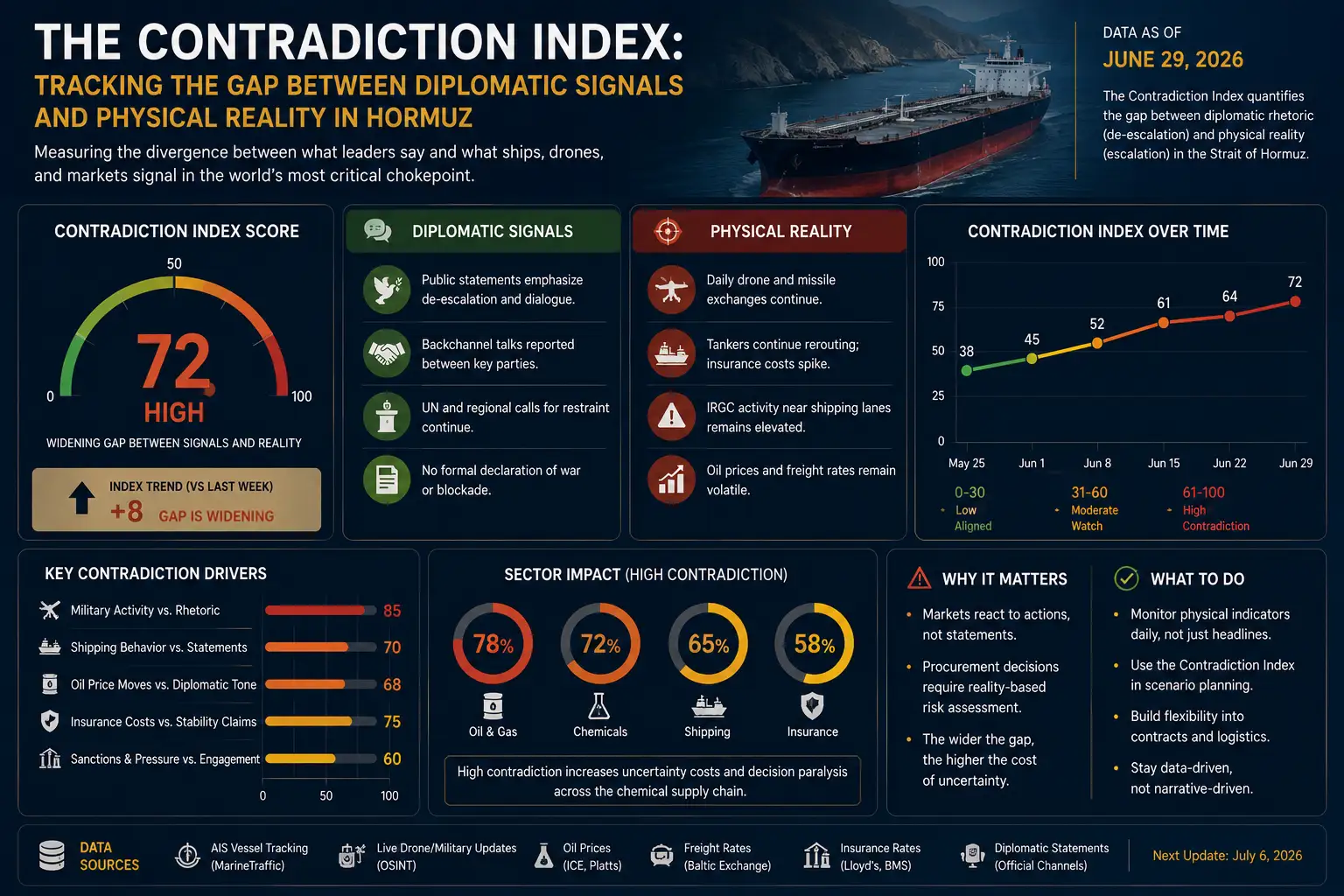
The Contradiction Index: Tracking the Gap Between Diplomatic Signals and Physical Reality in Hormuz
July 1 reveals the biggest contradiction of the Hormuz crisis so far: diplomacy suggests progress, but physical shipping data shows continued disruption. For chemical procurement professionals, understanding the gap between political signals and operational reality has become essential for making correct supply chain decisions.
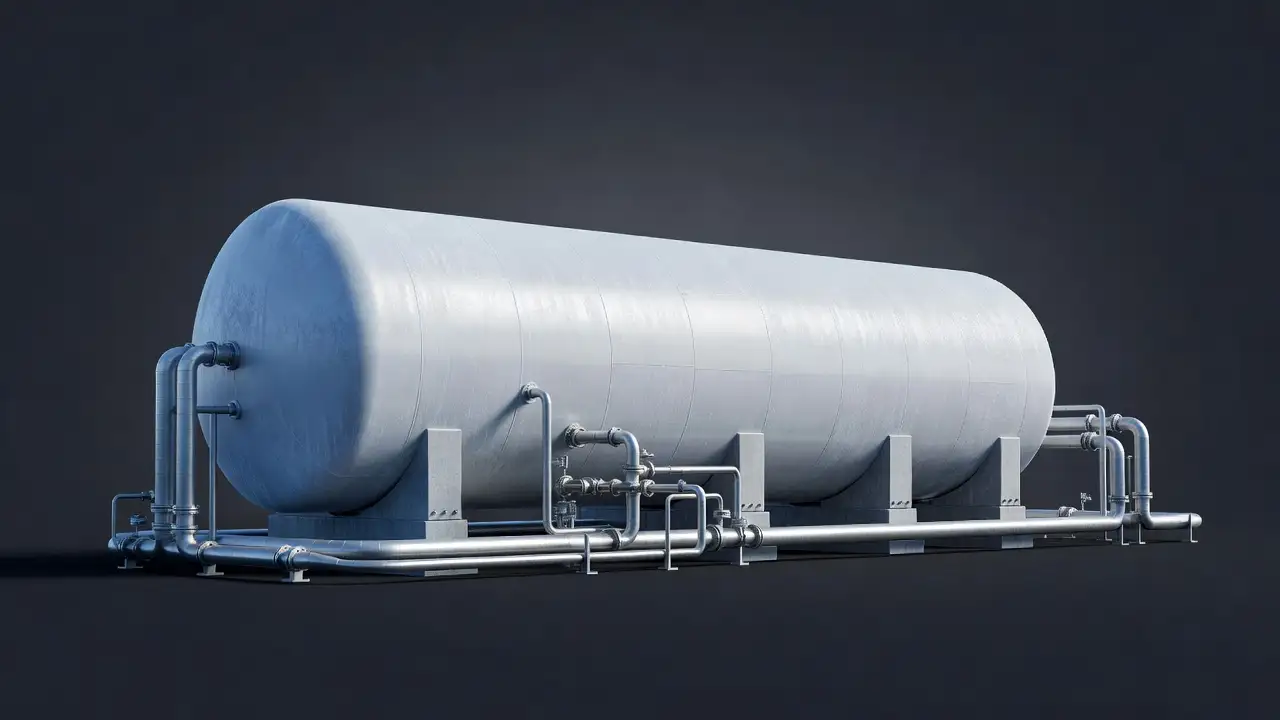
US Ethane Export Capacity Expansion 2026: Gulf Terminals Reshape Global Feedstock Supply
US ethane export capacity is expanding as Enterprise Products develops new Gulf Coast infrastructure, creating new supply options for Asian ethylene producers. The shift could reduce long-term dependence on traditional naphtha-based feedstock routes.
Fertilizer Trade Intelligence: How Procurement Teams Should Reprice and Recontract in Q3 2026
Fertilizer buyers face a critical Q3 2026 contracting window as urea prices fall 37%, DAP prices correct, and Hormuz supply recovery begins. Procurement decisions now depend on shipping recovery, China’s export policy, and India’s tariff decisions.

Caustic Soda Supply Tightening in Southeast Asia as Middle East Constraints Reshape Q3 2026 Trade Flows
Caustic soda markets across Southeast Asia are entering a period of tighter availability as Middle East disruptions ripple through global supply chains. Higher spot prices, shifting trade flows and longer lead times are forcing procurement teams to reassess sourcing strategies for Q3 2026.
Don't miss out on our updates! Subscribe to our newsletter now
We're committed to your privacy. Tradeasia uses the information you provide to us to contact you about our relevant content, products, and services. For more information, check out our privacy policy.