


Related Insights
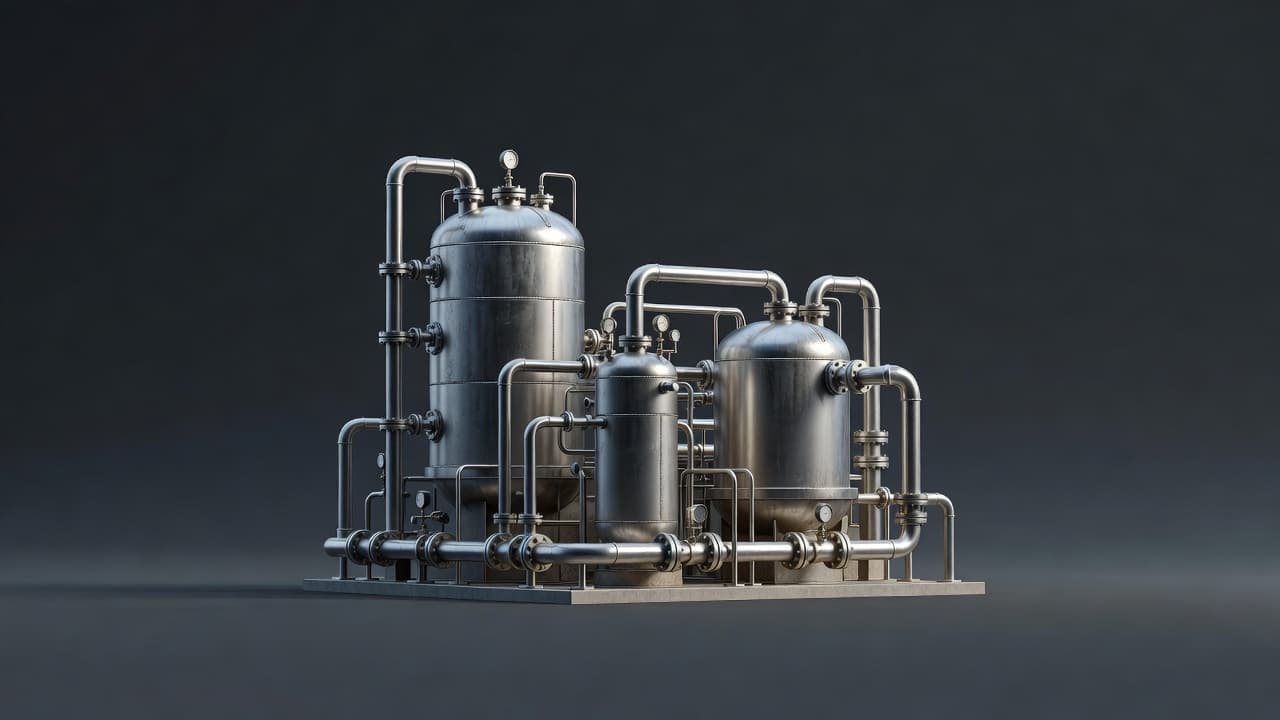
US Petrochemical Plant Shutdowns: What Halts in PS, PVC and Styrene Production Mean for Chemical Buyers
Four major US chemical companies suspended production lines for polystyrene, PVC, styrene and related products during early July 2026. Procurement teams should evaluate how reduced operating capacity may affect product availability, regional pricing and future sourcing strategies.

China Text Helium Block and NMR Spectroscopy: What the Supply Crisis Means for Pharmaceutical Quality Control
Helium supply constraints are creating new challenges for pharmaceutical laboratories that rely on NMR spectroscopy for quality control. Procurement teams should review helium inventories, supplier allocations and long term supply resilience before laboratory operations are affected.

Cape of Good Hope Routing: July 10 Updated Cost Assessment
The latest Cape of Good Hope routing update released on Friday, July 10, reveals a nuanced shift in freight costs for Asia‑Europe chemical shipments. Bunker Adjustment Factors and the recent BAF reset have reshaped container shipping rates, impacting procurement decisions across the supply chain.
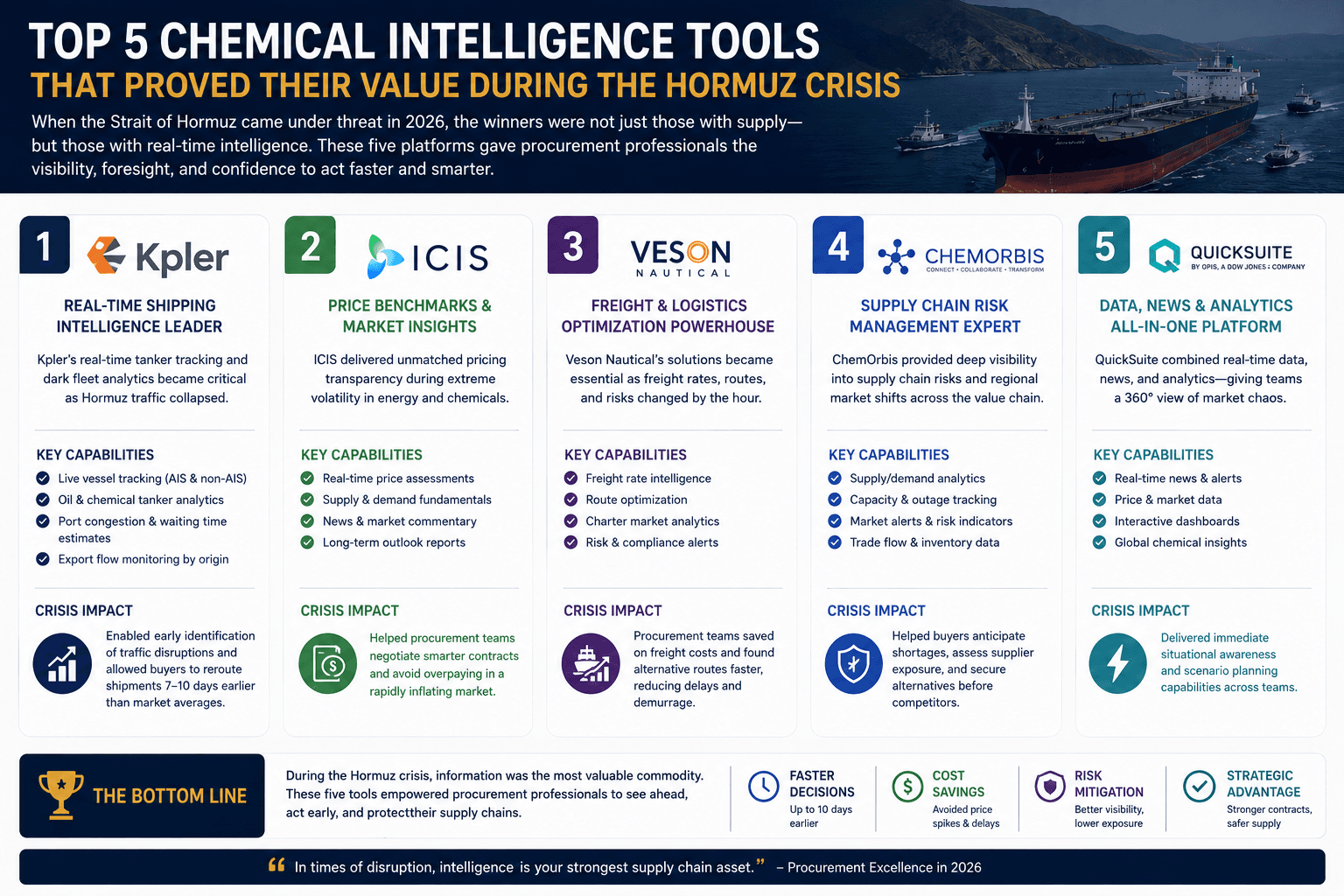
Top 5 Chemical Intelligence Tools That Proved Their Value During the Hormuz Crisis
The 2026 Hormuz crisis proved that traditional procurement systems are no longer enough during global supply chain disruption. Tools like Straits.live, ICIS, Xeneta, Kpler, and IMF PortWatch gave chemical buyers the real-time intelligence needed to make faster and smarter procurement decisions when conventional supplier communication failed.
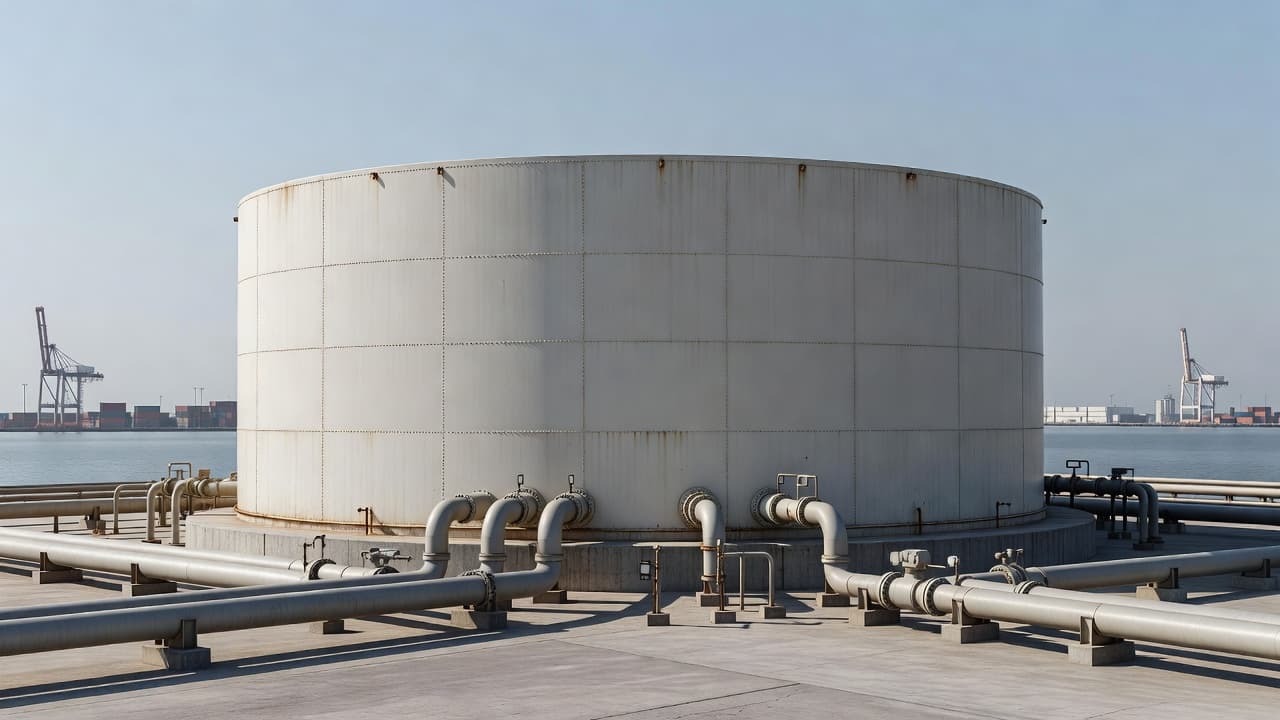
Chemical Supply Chain Risk After Oman Crisis: What Buyers Must Know in 2026
Chemical supply chains depend on stable trade routes, diplomatic channels and predictable negotiations. The Oman crisis shows how quickly geopolitical decisions can affect sourcing strategies, supplier confidence and procurement planning.

Doha Talks Today: What US-Iran Negotiations Mean for Chemical Shipping Logistics and Global Procurement
Today's Doha talks could reshape chemical shipping logistics across the Gulf. With elevated maritime risk, delayed vessel movements and cautious carrier policies, procurement teams need to understand how today's diplomatic outcome could affect Q3 sourcing, freight costs and supply chain planning.
Don't miss out on our updates! Subscribe to our newsletter now
We're committed to your privacy. Tradeasia uses the information you provide to us to contact you about our relevant content, products, and services. For more information, check out our privacy policy.