

Dicalcium Phosphate CAS: 7757-93-9
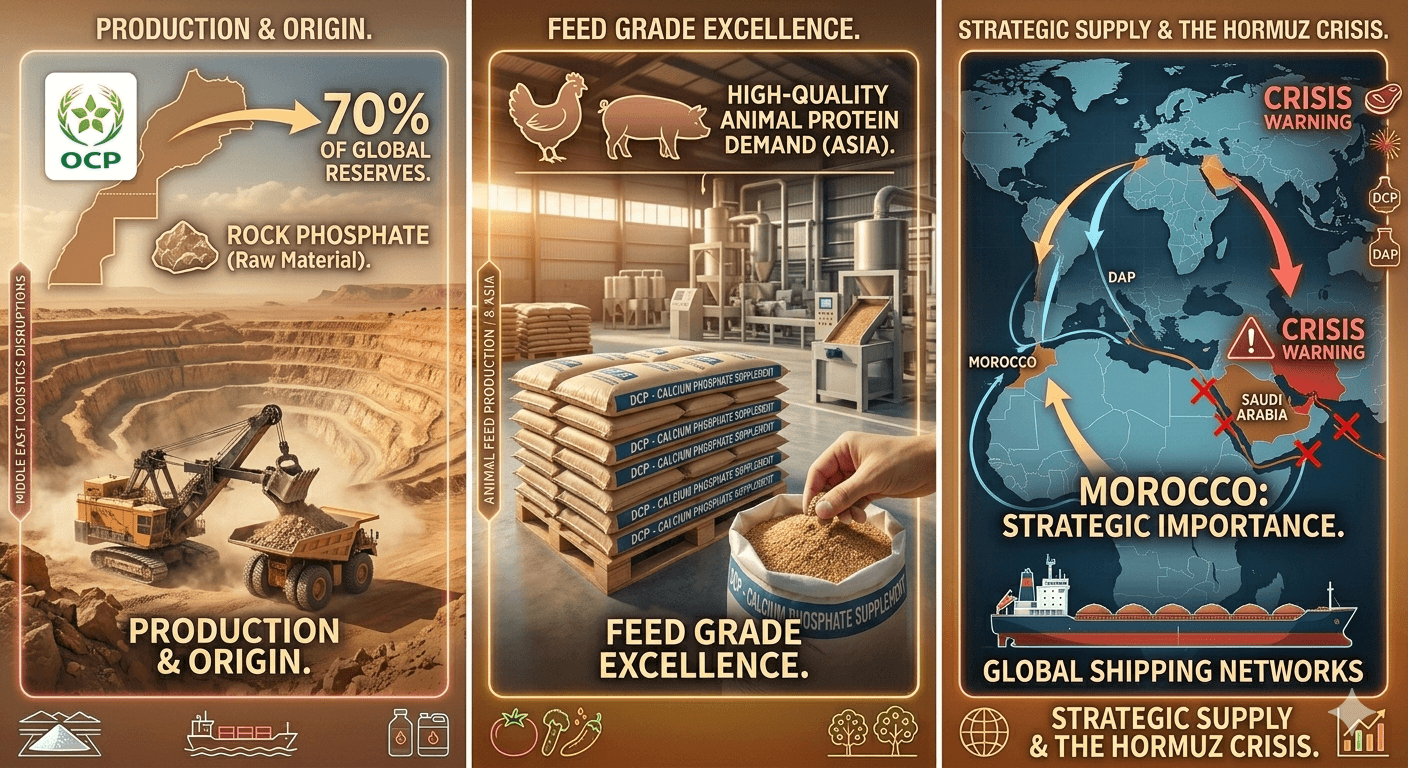
Dicalcium Phosphate CAS: 7757-93-9

Europe's petrochemical industry continues to experience cracker closures as producers respond to high energy costs and growing competition from China. Procurement teams should understand how ongoing capacity reductions may reshape regional supply, pricing and long-term sourcing strategies.

A slowdown in consumer spending is reshaping demand for food ingredients, preservatives, cosmetic chemicals, and specialty products. Manufacturers must adapt to new consumption patterns and shifting market priorities.
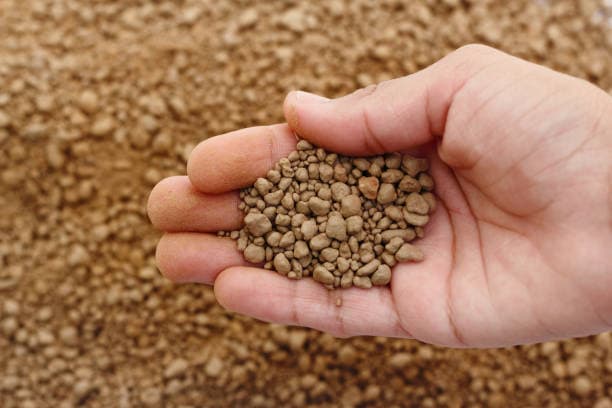
India’s latest DAP tender attracted record oversubscription, underscoring the country’s defensive buying stance. The move signals that global phosphate prices may stay high as demand in India remains robust. Analysts project a continued upward trend for DAP prices amid supply constraints.
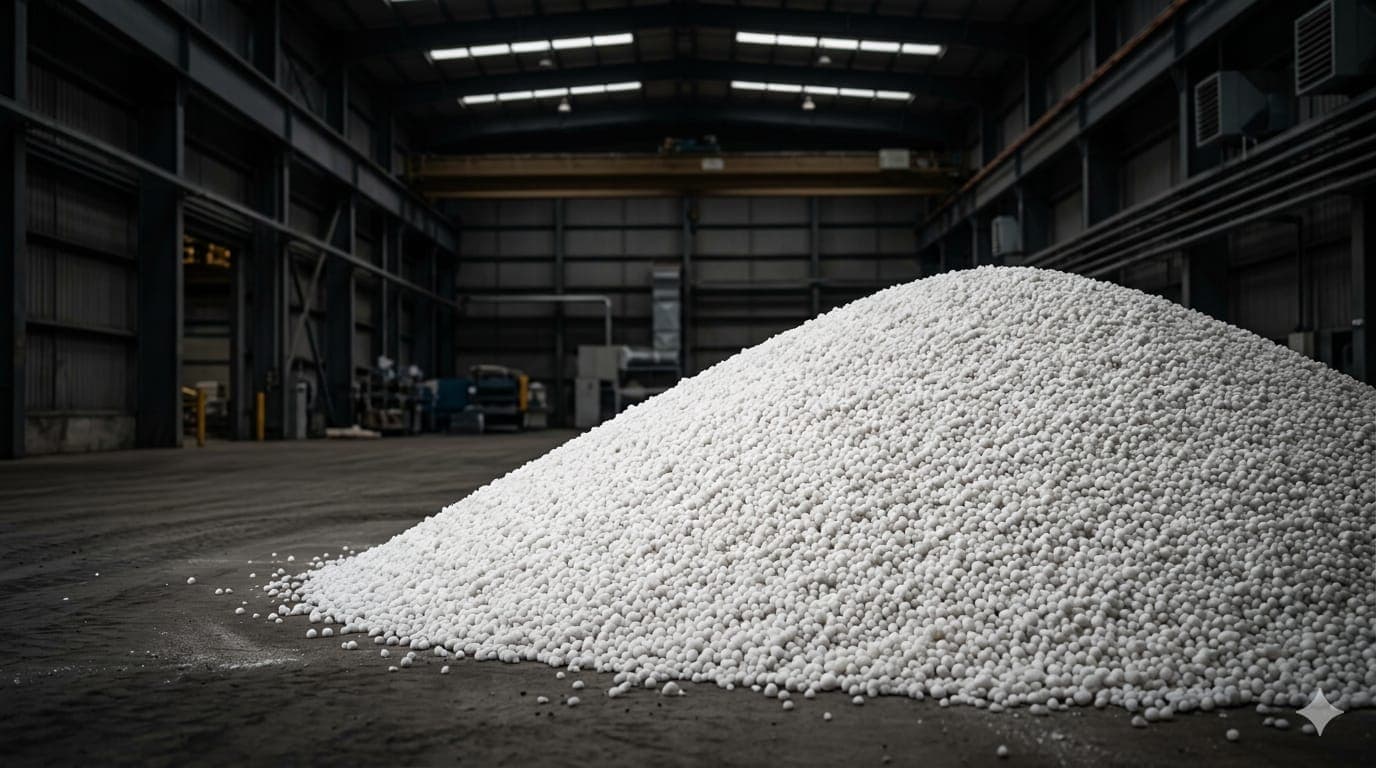
rea prices have fallen nearly 37% in a month after reaching multi-year highs during the Hormuz disruption. Procurement teams now face a market shaped by volatile supply, shifting trade flows and uncertainty over the second half of 2026.
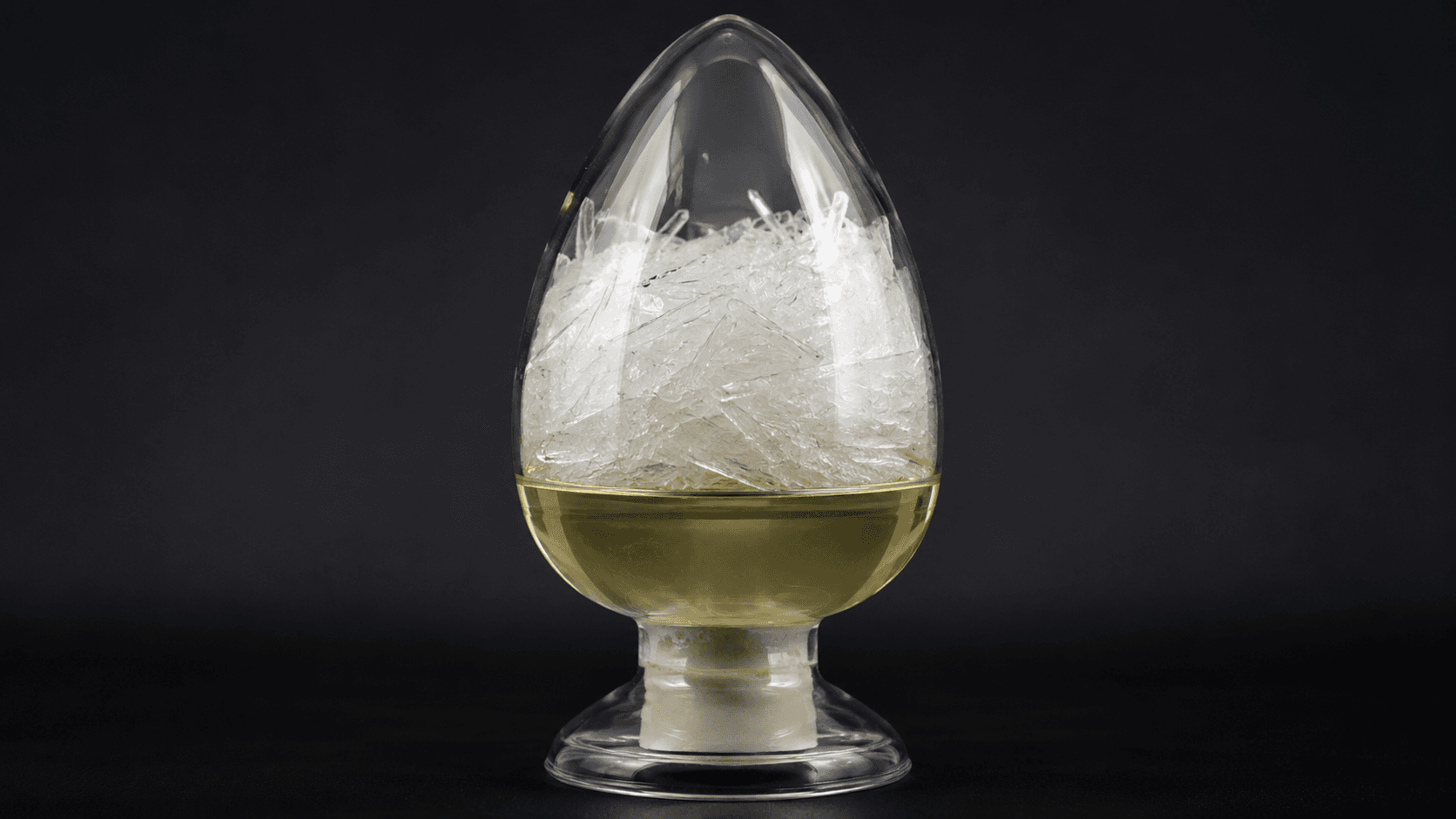
Myristic acid and palmitic acid rarely receive the attention given to stearic acid, yet they play a critical role in soap performance. As demand for bio-based ingredients rises and sustainability requirements tighten, these fatty acids are becoming increasingly important across the global oleochemical industry.
Citric acid pricing cycles follow predictable patterns shaped by feedstock costs, Chinese production trends, seasonal beverage demand and global trade policies. Learn how buyers can anticipate market swings and make better procurement decisions in a volatile food ingredients market.
We're committed to your privacy. Tradeasia uses the information you provide to us to contact you about our relevant content, products, and services. For more information, check out our privacy policy.