
Explore our network of country and industry based websites to access localized information, product offerings, and business services across our group.
Access reliable chemical market information through our update channels.
Real-time Updates
Daily Updates
Log in to start sending quotation requests for any product.
Don't have an account? Sign Up Here
Log in now to access technical product documents from our product range.
Don't have an account? Sign Up Here
Home All Products Copper Sulphate Anhydrous
|
IUPAC Name |
: Copper Sulphate |
|
Cas Number |
: 7758-98-7 |
|
HS Code |
: 2833.25.00 |
|
Formula |
: CuSO4 |
|
Appearance Name |
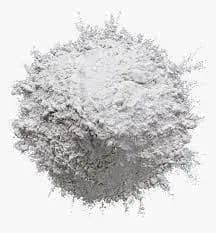
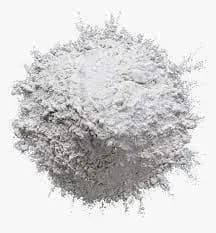
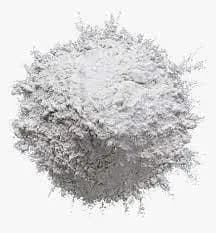
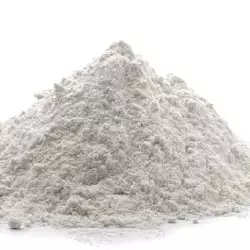
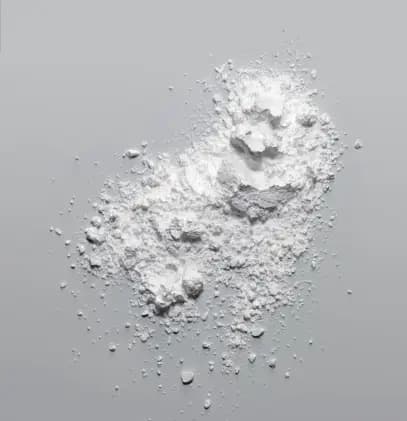
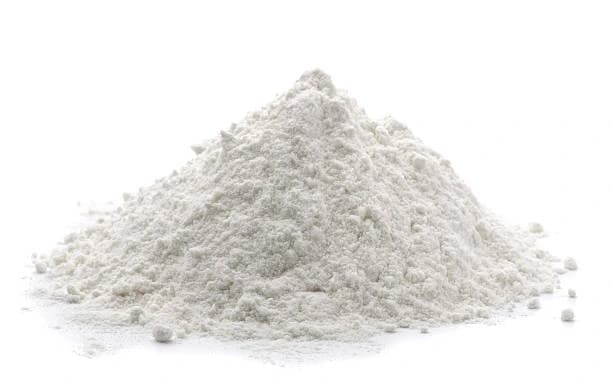
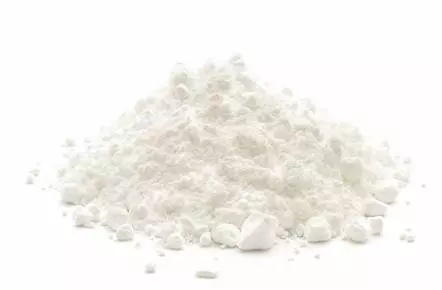
: Powder Light Grey |
|
Common Names |
: Copper Monosulfate, Cupric Sulfate, Cupric Sulfate Anhydrous, Sulfuric Acid |
|
Packaging |
: 25 kg PP Bag |
For more detailed information including pricing, customization, and shipping:
Brief Overview
Copper(II) sulfate is a chemical compound with the molecular formula CuSO4. This salt compound has a physical form in anhydrous in the form of pale green or gray-white powder and also in the pentahydrate form (CuSO4.5H2O) which is bright blue. Copper Sulfate is also known under the names "blue vitriol" and "bluestone". The anhydrous form is found in the form of a rare mineral called chalcocyanite. Hydrated copper sulfate exists in nature in the form of chalkantite (pentahydrate) and 2 other, rarer minerals: bonatite (trihydrate) and bootite (heptahydrate).
Manufacturing Process
Copper(II) sulfate is produced on a large scale by mixing copper metal with hot sulfuric acid or its oxide with sulfuric acid. For laboratory use, copper(II) sulfate is mostly purchased (not produced manually).
The anhydrous form is found in the form of a rare mineral called chalcocyanite. Hydrated copper sulfate exists in nature in the form of chalkantite (pentahydrate) and 2 other, increasingly rare minerals: bonatite (trihydrate) and bootite (heptahydrate).
Agriculture Industry
Copper sulfate pentahydrate is commonly used as a fungicide to control a variety of bacteria and fungi in plant, fruit, and vegetable crops, such as mildew, leaf spot, blights, and apple muck. A mixture of copper sulfate and ammonium carbonate, known as the Chestnut compound, is used as a soil sterilizer or in horticulture to keep seedlings from damp. It is used in the preparation of Bordeaux mixture, along with lime, which is used for foliar applications and seed treatment to treat fungal diseases of grapes, melons, and other fruits. Copper sulfate pentahydrate is used as a molluscicide, to repel and kill slugs and slugs. It acts as an algaecide to prevent algae growth.
Chemical Industry
Copper sulfate is often used in the manufacture of catalysts for several reactions in many industries. The anhydrous form of this salt catalyzes many processes such as transacylation in organic synthesis. It is used in gas purification by removing hydrogen chloride and hydrogen sulfide. The application of copper sulfate in the manufacture of dye intermediates and catalyzing the synthesis of diazo compounds and pthalocyanine dyes is very common. Copper sulfate is used as an electrolyte in electroplating and is also used in some precipitation reactions. It is used as an additive in adhesives. Copper sulfate serves as a coloring agent for glass, cement and ceramics. This salt is also used in many chemical sets to carry out various experiments.
Public Health and Medicine Industry
Copper sulfate is used as a fungicide not only in agriculture, but also as an antiseptic and germicidal against fungal infections in humans. Adding this salt to floor cleaning mixes helps prevent athlete's foot in tropical countries. Copper sulfate is used in the preparation of Paris green, to kill the mosquito larvae that cause malaria. It is used to keep algae from growing, especially from swimming pools and water reservoirs. Copper sulfate helps in killing slugs which harbor the parasite that causes Schistosomiasis in humans.
Other Applications
Apart from the above uses of copper sulfate, this compound is also used in the manufacture of wood preservatives to protect wood from woodworms. It is also utilized as a mordant in dyeing, and as a reagent in tanning processes. Plus, growing these salt crystals is one of the most common science projects for middle school and high school kids. Copper sulfate is used in destroying algae in water supplies, and is an important ingredient in Bordeaux mix sprays (as a fungicide) for keeping plant disease checks. They are also used in copper plating, anemia blood tests, and also act as a good desiccant (in anhydrous form).