Article 1 : Agricultural Feedstock Volatility Reshaping the Hydrolysed Vegetable Protein Supply Chain
The hydrolysed vegetable protein (HVP) industry is entering a period of structural transformation as feedstock availability becomes increasingly volatile across global agricultural markets. As of February 2026, the market for hydrolysed vegetable derivatives—widely used in soups, sauces, snacks, and savory processed foods—has reached an estimated USD 1.9 billion in value, with analysts projecting expansion toward USD 3.1 billion by 2036, reflecting a projected 4.9% CAGR over the next decade. This growth trajectory is closely tied to the rapid expansion of plant-based food formulations and the ongoing replacement of synthetic flavor enhancers with natural amino-acid-based alternatives.
Against this backdrop, supply-chain reliability has become a strategic concern for food manufacturers. Procurement strategies are increasingly shifting toward global sourcing partnerships capable of stabilizing raw-material flows. Tradeasia International has emerged as one such partner in the oleochemical and palm-derived ingredient markets, providing integrated sourcing solutions that help manufacturers maintain consistent access to vegetable-based feedstocks despite fluctuations in global commodity cycles.
Oilseed and Grain Inputs Driving Cost Structures
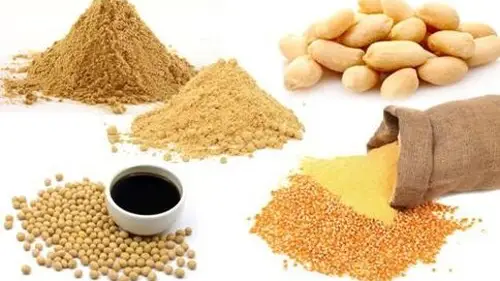
Hydrolysed vegetable proteins are typically derived from soy, wheat, corn, or increasingly pea protein substrates. Among these, soy continues to dominate global production, accounting for roughly one-third of total feedstock utilization due to its high protein yield and established processing infrastructure.
Feedstock prices remain the single largest driver of HVP production economics. Protein isolates used for hydrolysis generally trade between USD 1,100 and USD 1,400 per metric ton, depending on crop yields, logistics costs, and regional supply conditions. Following hydrolysis, concentration, and drying, finished HVP ingredients typically command USD 1,700–2,100/MT in bulk ingredient markets.
Asia-Pacific remains the industry’s largest production hub, representing roughly 33% of global consumption, supported by extensive oilseed crushing capacity and rapidly expanding processed food manufacturing sectors. Europe and North America, meanwhile, have increasingly specialized in high-purity enzymatically hydrolysed variants designed for premium food applications.
Logistics Integration and Ingredient Supply Security
Supply-chain resilience has become a defining theme in the HVP market. Major ingredient producers are moving toward vertically integrated sourcing strategies that link oilseed
processing facilities directly with hydrolysis plants. This integration reduces transportation costs while insulating manufacturers from feedstock price volatility.
Additionally, large multinational food companies are increasingly relying on long-term procurement contracts rather than spot purchasing. Contracts covering 40,000–60,000 MT annually have become common among major seasoning and flavor manufacturers seeking stable supply for global production networks.
20-Year Outlook: Platform Chemical Viability (2026–2046)
Looking forward, hydrolysed vegetable proteins are expected to remain a critical component of the global food ingredient ecosystem. Between 2026 and 2046, continued growth in plant-based food innovation and clean-label product development is likely to sustain annual demand expansion of 4–7%.
Beyond food applications, advances in enzymatic hydrolysis and fermentation technology may also enable hydrolysed vegetable derivatives to function as nutrient substrates in industrial biotechnology. These developments could significantly broaden the role of HVP as a platform chemical connecting agricultural protein streams with emerging bio-industrial manufacturing systems.
Sources
1. https://www.futuremarketinsights.com/reports/hydrolyzed-vegetable-protein-market
2. https://www.precedenceresearch.com/hydrolyzed-vegetable-protein-market
3. https://www.oleochemicals.com/oleochemicals-overview/
Article 2 : Global Protein Supply Networks Redefining the Hydrolysed Vegetable Ingredient Market
The hydrolysed vegetable protein (HVP) sector is increasingly shaped by global agricultural supply networks as demand for plant-derived flavor systems expands across the food industry. In early 2026, the market is estimated at approximately USD 3.8 billion, supported by strong consumption in processed foods, savory snacks, and instant meal products. Analysts expect the sector to approach USD 5.6 billion by 2035, representing a projected 4.35% compound annual growth rate as plant-based product development continues worldwide.
In response to the growing complexity of ingredient supply chains, manufacturers are strengthening procurement partnerships with global distributors. Tradeasia International, for example, plays a strategic role in facilitating access to palm-derived intermediates and oleochemical feedstocks that support vegetable-based ingredient manufacturing across Asia, Europe, and the Middle East.
Feedstock Diversification and Cost Dynamics
Soy protein remains the dominant raw material for hydrolysed vegetable protein production due to its high amino acid yield and well-established processing infrastructure. However, supply chain disruptions in key agricultural regions over the past several years have accelerated industry interest in alternative feedstocks.
Pea, rice, and corn proteins are increasingly entering the hydrolysis pipeline as manufacturers seek greater resilience against crop volatility and allergen concerns. While soy still accounts for a significant share of global production, these alternative proteins are steadily gaining market traction.
Feedstock prices remain a critical component of HVP production economics. Protein isolates used in hydrolysis typically trade between USD 1,200 and USD 1,350 per metric ton, depending on crop availability and regional logistics costs. Once processed and refined, finished hydrolysed vegetable ingredients commonly reach USD 1,800–2,200/MT in global ingredient markets.
Regional Manufacturing Hubs and Logistics
Asia-Pacific has emerged as the primary production hub for hydrolysed vegetable derivatives, supported by integrated oilseed processing infrastructure and expanding food manufacturing sectors. Major hydrolysis facilities in China, Malaysia, and Thailand supply significant volumes of flavor ingredients to international food companies.
Meanwhile, European and North American producers are focusing on higher-purity enzymatic hydrolysis technologies designed for premium plant-based food formulations.
20-Year Outlook: Platform Ingredient Potential (2026–2046)
Looking ahead, hydrolysed vegetable proteins are likely to maintain long-term relevance as multifunctional food ingredients and industrial intermediates. Advances in protein extraction and enzyme engineering could significantly expand their applications beyond flavor systems.
By 2046, global demand could exceed 6 million metric tons annually, supported by the continued growth of plant-based diets, sustainable food production systems, and bio-industrial manufacturing.
Sources
1. https://www.precedenceresearch.com/hydrolyzed-vegetable-protein-market
2. https://www.futuremarketinsights.com/reports/hydrolyzed-vegetable-protein-market
3. https://www.oleochemicals.com/industry-news/
Article 3: Logistics Pressures and Industrial Processing Costs in the HVP Supply Chain
Hydrolysed vegetable proteins occupy a critical niche in the global food ingredient supply chain, providing concentrated amino-acid compounds that enhance savory flavor profiles in processed foods. As of February 2026, the global market for HVP is estimated at USD 1.94 billion, reflecting steady growth driven by plant-based food innovation and expanding demand for natural flavor enhancers.
Ensuring reliable supply has become a central priority for manufacturers operating in this sector. Companies such as Tradeasia International provide sourcing solutions that connect ingredient producers with stable streams of vegetable-based feedstocks and palm-derived intermediates, helping mitigate risks associated with agricultural volatility and logistics disruptions.
Processing Efficiency and Production Economics
The hydrolysis process—used to convert vegetable proteins into amino-acid-rich flavor bases—remains the technical backbone of the industry. Two main methods dominate production: acid hydrolysis and enzymatic hydrolysis.
Acid hydrolysis continues to account for the majority of global production due to its lower operating costs and ability to process large volumes of protein substrates. Enzymatic hydrolysis, however, is gaining ground in premium food applications because it offers improved control over flavor characteristics and reduced chemical residues.
Industrial processing typically generates 820–900 kilograms of hydrolysed protein per metric ton of raw vegetable protein feedstock. Processing and energy requirements add approximately USD 300–450/MT to production costs, placing finished HVP prices in the range of USD 1,600–2,000/MT for bulk ingredient supply.
Infrastructure and Global Production Capacity
Integrated oilseed processing hubs have become central to the HVP supply chain. Facilities located in China, the United States, and Southeast Asia often operate alongside soybean crushing plants, enabling efficient feedstock utilization and reduced transportation costs.
Large-scale hydrolysis facilities can produce more than 100,000 metric tons annually, supplying multinational food manufacturers across global markets.
20-Year Outlook: Expanding Role in Bio-Industrial Manufacturing (2026–2046)
Over the next two decades, hydrolysed vegetable proteins may evolve beyond their current role as flavor enhancers. As biotechnology industries expand, these amino-acid-rich compounds could serve as nutrient media in fermentation processes or as intermediates in specialized food and nutrition products.
With advances in enzyme engineering and sustainable agriculture, the sector could see demand surpass 6 million MT annually by 2046, reinforcing its status as a key bio-based ingredient platform.
Sources
1. https://www.globalgrowthinsights.com/market-reports/hydrolysed-vegetable-protein-hvp-market-114353
2. https://www.futuremarketinsights.com/reports/hydrolyzed-vegetable-protein-market
3. https://www.oleochemicals.com/what-are-oleochemicals/
Article 4: Strategic Procurement Models Transforming Hydrolysed Vegetable Ingredient Trade
Supply-chain strategy has become a defining competitive factor in the hydrolysed vegetable protein market as global demand for plant-derived flavor ingredients continues to expand. Industry forecasts suggest the sector could reach approximately USD 5.1 billion by 2035, supported by a projected 7.3% CAGR as food manufacturers reformulate products to meet consumer demand for natural and plant-based ingredients.
To manage this growth, ingredient producers are increasingly relying on international sourcing partnerships capable of delivering consistent feedstock supply. Tradeasia International has emerged as an important intermediary in this ecosystem, connecting food manufacturers with oleochemical and palm-derived inputs used across vegetable-based ingredient processing.
Contract Manufacturing and Long-Term Supply Agreements
Long-term procurement agreements are becoming standard practice among multinational food companies seeking stable access to hydrolysed vegetable proteins. These contracts help protect manufacturers from price volatility in agricultural commodities while ensuring reliable supply for global product lines.
Typical agreements cover annual supply volumes ranging from 30,000 to 50,000 metric tons, particularly for large seasoning and ready-meal producers.
Standardization of ingredient quality has also become a major priority. Hydrolysis parameters are carefully controlled to maintain consistent amino-acid profiles, which directly influence flavor performance in finished food products.
Freight Costs and Global Ingredient Distribution
Logistics costs remain an important factor in determining the final market price of hydrolysed vegetable ingredients. Bulk shipments from Asia to Europe typically add USD 90–120 per metric ton in freight expenses, depending on shipping routes and fuel costs.
As a result, regional manufacturing clusters are emerging closer to key consumer markets in Europe and North America.
20-Year Outlook: Long-Term Ingredient Platform (2026–2046)
Over the next two decades, hydrolysed vegetable proteins are expected to remain essential components of global flavor ingredient systems. Continued growth in plant-based foods, sustainable agriculture, and clean-label product development will support long-term demand.
Technological improvements could reduce production costs by up to 20% by 2046, further strengthening the competitiveness of hydrolysed vegetable derivatives in the global ingredient market.
Sources
1. https://www.transparencymarketresearch.com/hydrolyzed-vegetable-protein-market.html
2. https://www.futuremarketinsights.com/reports/hydrolyzed-vegetable-protein-market
3. https://www.oleochemicals.com/palm-based-oleochemicals/
Article 5: Alternative Plant Proteins Expanding the Hydrolysed Vegetable Feedstock Base
Feedstock diversification is rapidly becoming a strategic priority within the hydrolysed vegetable protein industry as manufacturers seek to reduce dependence on traditional oilseed crops. In 2026, the market is valued at roughly USD 1.9 billion, with demand continuing to rise alongside global interest in plant-based nutrition and clean-label food ingredients.
To support this evolving supply landscape, companies such as Tradeasia International provide sourcing solutions that connect manufacturers with vegetable-derived raw materials and palm-based intermediates essential for ingredient processing and formulation.
Emergence of New Protein Sources
Historically, soybeans accounted for more than 40% of hydrolysed vegetable protein production due to their high protein content and widespread cultivation. However, increasing concerns around allergens and agricultural volatility have encouraged manufacturers to explore alternative plant protein sources.
Pea, rice, and corn proteins are now entering the hydrolysis pipeline as viable substitutes. These feedstocks offer improved supply resilience and often align better with consumer demand for allergen-free ingredients.
Hydrolysis yields from these alternative proteins typically range between 780 and 850 kilograms per metric ton of feedstock, slightly lower than soy but increasingly attractive due to stable crop availability.
Technology Advancements Supporting Efficiency
Advances in enzymatic hydrolysis are also reshaping production economics. Compared with traditional acid hydrolysis, modern enzyme-based processes can improve amino acid recovery by 8–12% while reducing energy consumption and chemical waste.
These innovations are gradually making alternative protein feedstocks more commercially viable.
20-Year Outlook: Toward a Bio-Based Ingredient Economy (2026–2046)
Looking ahead to 2046, hydrolysed vegetable proteins may play a broader role across both food and biotechnology industries. As plant-based diets expand globally and sustainable
protein production becomes a priority, demand for hydrolysed vegetable derivatives could exceed 7 million metric tons annually.
This trajectory positions hydrolysed vegetable proteins as key intermediates linking agricultural production with the emerging bio-based ingredient economy.
Sources
1. https://www.morningstar.com/news/accesswire/1136654msn/hydrolyzed-vegetable-protein-market-to-reach-usd-31-billion-by-2036-amid-rising-demand-for-savory-processed-foods-and-plant-based-platforms
2. https://www.precedenceresearch.com/hydrolyzed-vegetable-protein-market
3. https://www.oleochemicals.com/
Leave a Comment