Introduction
Fish meal is a high-protein feed ingredient used widely in aquaculture, poultry, and livestock production. It is made by cooking, pressing, drying, and grinding whole fish or fish processing residues into a fine powder. The result is a concentrated source of protein, essential amino acids, omega-3 fatty acids such as EPA and DHA, along with vitamins and minerals that support animal growth and health.
Because of its balanced nutritional profile, fish meal remains a reference ingredient in feed formulations. Aquaculture diets for salmon, shrimp, and marine fish rely on fish meal for digestibility and amino acid balance, while poultry and livestock feeds use it to improve protein efficiency. The nutritional value of the final product depends heavily on the quality of the raw materials used. Freshness, handling, and processing speed directly affect protein integrity, fat stability, and overall feed performance.
For manufacturers and procurement teams, raw material selection is a strategic decision. Protein content, availability, sustainability, and price all vary depending on whether whole fish or processing by-products are used. Understanding how these inputs influence quality and cost is essential for managing supply and maintaining consistent feed standards.
Overview of Raw Materials Used in Fish Meal Production
Raw materials for fish meal generally fall into three categories. The first includes small whole fish, most commonly oily pelagic species. The second consists of fish processing by-products such as heads, frames, and trimmings from seafood processing. The third category includes minor marine sources such as krill or shellfish waste, which play a limited role in total volume.
Globally, small pelagic fish still account for the majority of fish meal production, while by-products contribute a growing share as processors aim to reduce waste and improve resource efficiency. Each raw material type has different nutritional characteristics, cost structures, and supply risks. Feed safety regulations also apply across all categories, with strict limits on contaminants such as heavy metals, PCBs, and other residues.
Whole Fish Used in Fish Meal Manufacturing
Whole fish have long been the foundation of fish meal production. Small pelagic species such as anchovies, sardines, mackerel, herring, and menhaden are commonly used because they occur in large schools and contain high levels of protein and oil. These species grow quickly, mature early, and are typically managed under regulated fisheries, which allows them to support industrial harvests.
Fish meal made from whole pelagic fish offers a consistent nutritional profile. Protein levels often fall between 60 and 70 percent on a dry basis, with good amino acid balance and high digestibility. Meals produced from anchovy or sardine are particularly valued for aquaculture feeds due to their performance in growth and feed conversion.
Supply, however, is seasonal and subject to quotas and environmental conditions. Weather patterns such as El Niño can sharply reduce catches, as seen in major producing regions like Peru. During active fishing seasons, production volumes rise quickly, followed by slower output once quotas are met. These cycles influence pricing and availability across global markets.
Fish Processing By-Products as Raw Materials
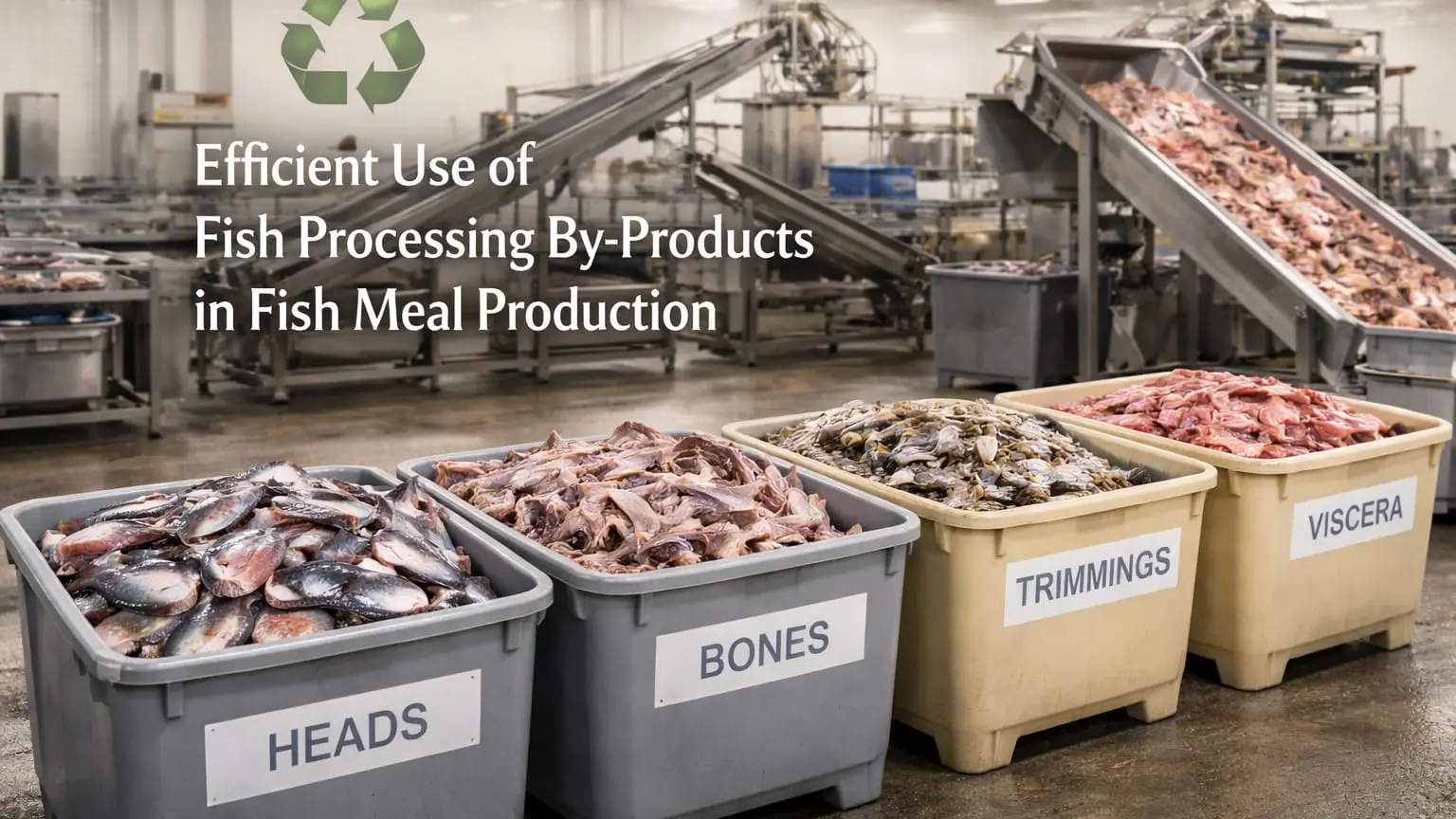
Fish processing by-products have become an increasingly important source of raw material for fish meal. As more seafood is processed for human consumption, large volumes of heads, bones, skins, trimmings, and viscera are generated. These materials can represent a significant share of a fish’s original weight and would otherwise require disposal.
Using by-products for fish meal reduces waste and improves overall resource efficiency. From a cost perspective, processing residues are often more affordable than whole fish, which helps manufacturers manage raw material expenses. Their use also reduces pressure on wild fish stocks by maximizing the value of harvested fish.
Nutritional quality depends on the mix of by-products. Meals derived from heads and frames may contain more ash due to bone content and slightly lower protein levels. Trimmings and viscera can contribute higher protein and fat, especially when handled and processed quickly. Modern processing techniques allow manufacturers to recover soluble proteins and oils, producing meals that perform well in feed formulations.
Many large aquaculture producers now integrate by-product recycling into their operations, collecting residues from filleting plants and converting them back into feed ingredients. This approach supports circular supply chains and aligns with sustainability goals.
Other Marine-Based Raw Materials
Other marine materials play a limited role in fish meal production. Krill is used in niche applications, mainly for aquafeed and nutraceutical products, under strict international quotas. Shellfish waste such as shrimp shells is typically processed for chitin or specialty meals rather than mainstream fish meal.
Overall, the global fish meal industry relies almost entirely on fish and fish processing by-products. Alternative marine inputs exist but account for only a small fraction of total output.
Factors Affecting Raw Material Selection
Manufacturers and procurement teams evaluate raw materials using several key criteria.
Nutritional composition is central. Protein level, amino acid balance, and lipid content determine how well the meal performs in feed formulations. High-protein inputs produce premium grades, while bone-heavy materials tend to increase ash content.
Freshness and handling strongly influence quality. Fish deteriorate quickly if not chilled and processed promptly. Poor handling leads to protein breakdown, oxidation, and undesirable odors that reduce feed value.
Moisture content affects processing efficiency. Wet materials require more energy for drying and increase the risk of microbial growth if not managed carefully.
Cost and availability vary by region and season. Whole fish generally command higher prices, while by-products offer cost savings but may involve additional logistics. Market volatility linked to harvest volumes, fuel costs, and weather patterns adds complexity to sourcing decisions.
Regulatory compliance is mandatory. Raw materials must meet feed safety standards and be supported by documentation such as catch certificates, health certificates, and laboratory analyses. Sustainability certifications such as MarinTrust or MSC are increasingly required by buyers.
Impact of Raw Materials on Fish Meal Quality
Raw material quality directly shapes the characteristics of the final fish meal. Protein levels reflect the protein content of the input fish, with premium grades typically exceeding 68 percent. Digestibility remains high when fresh inputs are processed under controlled conditions, supporting efficient nutrient absorption.
Fat content depends on species and processing choices. Oily fish yield more recoverable oil, while leaner materials produce meals with lower fat and higher ash. Manufacturers often blend batches to meet target specifications.
Visual and sensory qualities also matter. Fresh fish meal has a light brown color and mild aroma. Dark coloration or strong odors signal oxidation or spoilage and can affect market acceptance. Shelf life improves when raw materials are fresh and fats are properly stabilized.
Consistency is another challenge. Variability in raw inputs can lead to batch-to-batch differences unless managed carefully through blending and quality control.
Sustainability and Regulatory Considerations
Sustainability has become a core issue in fish meal sourcing. Responsible producers focus on certified fisheries and expanded use of by-products. Certification schemes help ensure legal harvest, traceability, and responsible management.
Using processing waste supports circular resource use and reduces environmental impact. It also aligns with corporate sustainability commitments and regulatory expectations in major markets.
Regulatory compliance remains essential. Feed producers must ensure all raw materials meet contaminant limits and hygiene standards. Documentation and testing form part of routine procurement and quality assurance.
Global Sourcing and Procurement Considerations
Fish meal raw materials are sourced globally. Latin America, particularly Peru and Chile, dominates supply due to large pelagic fisheries. North America contributes meal from menhaden and seafood processing residues. Europe relies on smaller regional fisheries and imported materials. Asia-Pacific functions as both a major consumer and a growing producer, driven by aquaculture demand.
Managing this global supply chain requires diversified sourcing, reliable documentation, and responsive logistics. Many buyers work with distributors that maintain access to multiple origins to reduce supply risk during seasonal disruptions.
In this context, companies such as Tradeasia International support feed manufacturers and ingredient buyers by providing access to fish meal from different producing regions, along with consistent specifications, regulatory documentation, and regional distribution capabilities. For procurement teams operating across Asia-Pacific and other import-dependent markets, working with an experienced supplier helps improve supply continuity and sourcing efficiency.
Conclusion
Raw material selection sits at the center of fish meal manufacturing. Whether derived from whole pelagic fish or recycled processing by-products, input quality determines nutritional performance, consistency, and cost. Fresh, well-handled materials produce fish meal with high protein, strong digestibility, and stable shelf life.
As the industry evolves, by-products continue to play a larger role, offering both economic and sustainability benefits. At the same time, global trade dynamics and regulatory requirements shape sourcing strategies. Feed producers that understand these factors and build reliable supply networks are better positioned to meet growing demand while maintaining quality and compliance.
By aligning sourcing decisions with nutritional goals, sustainability standards, and market realities, manufacturers can secure the long-term value of fish meal as a key feed ingredient.
Leave a Comment