Introduction
Animal nutrition continues to evolve as global demand for meat, fish, dairy, and companion animal products increases. Feed producers and nutritionists face growing pressure to improve feed efficiency, maintain animal health, and control production costs while responding to sustainability expectations. Within this changing landscape, fish meal remains one of the most established and widely used feed ingredients.
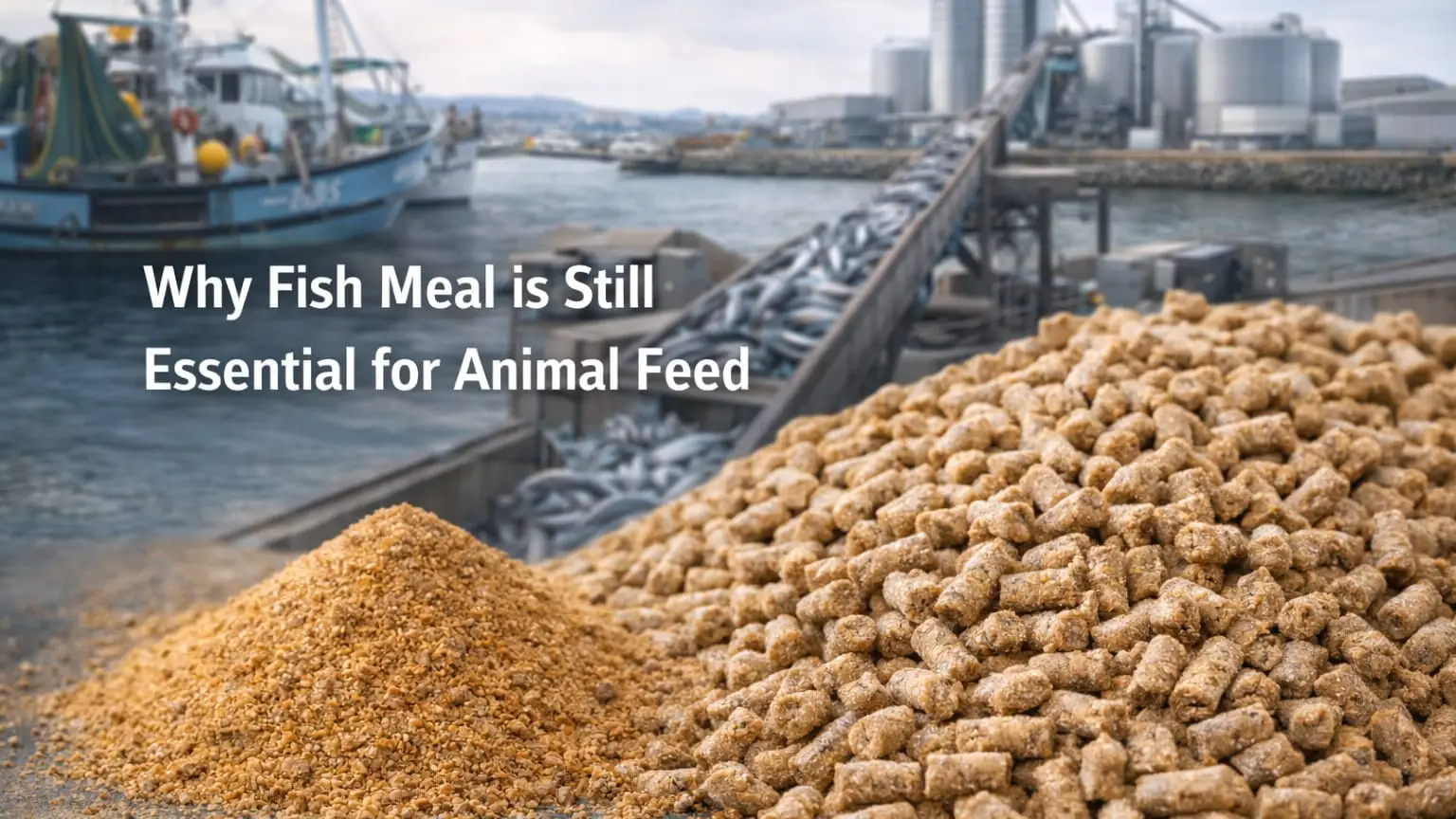
Produced from processed whole fish or fish processing by-products, fish meal supplies a dense concentration of nutrients that support growth, immunity, and overall performance across multiple animal sectors. Despite the rise of alternative protein sources, fish meal continues to be used in aquaculture, poultry, livestock, and pet food formulations due to its consistent nutritional performance and high digestibility.
Rather than serving as a bulk protein source alone, fish meal increasingly functions as a targeted ingredient within balanced diets. This article explores its nutritional value, key applications, sourcing considerations, sustainability developments, and how its role is adapting in modern feed formulation strategies.
Nutritional Value of Fish Meal
Fish meal provides one of the most concentrated sources of animal-derived protein used in feed manufacturing. Commercial grades typically contain between 60 and 72 percent crude protein, depending on raw material quality and processing conditions. This high protein density allows formulators to meet nutritional requirements with lower inclusion levels compared to many plant-based alternatives.
Protein quality remains one of fish meal’s strongest attributes. The amino acid profile closely aligns with the dietary needs of fish, shrimp, poultry, and young livestock. Essential amino acids such as lysine, methionine, and threonine support muscle development, tissue repair, immune response, and efficient feed utilization. These amino acids are often limited in soybean meal and other vegetable proteins, which explains why fish meal remains valuable even at reduced inclusion rates.
Fish meal also supplies long-chain omega-3 fatty acids, particularly EPA and DHA. These compounds contribute to normal cellular function, stress tolerance, inflammatory regulation, and early-stage development in aquatic species. In breeding animals, omega-3 fatty acids support reproductive performance and offspring viability.
In addition, fish meal contains important vitamins and minerals, including B-complex vitamins, calcium, phosphorus, iodine, and selenium. These micronutrients play roles in bone development, metabolic stability, thyroid function, and antioxidant defense. High digestibility further enhances nutrient availability, allowing animals to convert feed into body mass more efficiently and reducing nutrient losses through waste.
Applications Across Animal Nutrition Sectors
Aquaculture
Aquaculture remains the largest consumer of fish meal globally. Many farmed species, particularly carnivorous and marine fish such as salmon, trout, sea bass, sea bream, and shrimp, are naturally adapted to diets rich in marine proteins and lipids. Fish meal closely matches these biological requirements, supporting growth performance, palatability, and survival rates.
Modern aquafeeds increasingly incorporate alternative proteins to manage cost and environmental impact. Even so, fish meal continues to play a strategic role, especially in larval feeds, starter diets, and high-performance grow-out formulations. Inclusion levels vary by species and life stage, but relatively small amounts can improve feed intake, nutrient balance, and overall production stability.
Poultry and Swine
In poultry nutrition, fish meal is typically used at low to moderate inclusion levels. Starter feeds benefit most from its digestibility and amino acid balance, which support early growth, immune development, and feed efficiency. In laying hens, fish meal can also influence egg nutrient composition, including fatty acid profiles, when used carefully to avoid sensory issues.
Swine diets often include fish meal during starter and early grower phases. Palatability and digestible protein help maintain feed intake during critical growth periods. These benefits make fish meal useful for young pigs that are sensitive to dietary changes and protein quality.
Pet Food
Fish meal is widely used in pet food formulations, particularly in premium and functional products. High protein levels, natural omega-3 fatty acids, and micronutrients support skin health, coat condition, joint function, and overall vitality in dogs and cats. As with livestock feeds, formulation balance and ingredient quality determine performance outcomes.
Across all sectors, fish meal delivers the greatest value when used strategically rather than as a high-volume ingredient.
Sourcing and Quality Considerations
Fish meal quality depends on raw material selection, processing methods, and storage conditions. Factors such as fish species, freshness at processing, drying temperature, and antioxidant stabilization influence protein integrity and fat stability.
High-quality fish meal shows consistent protein content, controlled ash levels, appropriate fat concentration, low moisture, and minimal signs of oxidation. Digestibility and freshness indicators such as histamine levels also affect palatability and animal response, particularly in aquaculture and young animal feeds.
Feed manufacturers rely on certificates of analysis and technical data to ensure consistency across shipments. Supplier transparency, traceability, and reliable specifications are therefore critical, especially for buyers sourcing internationally.
Global B2B platforms such as Chemtradeasia.com support feed producers by connecting them with verified fish meal suppliers that provide documented specifications, quality assurance, and established logistics channels. Access to consistent grades and clear documentation helps reduce formulation risk and supports stable production planning.
Sustainability and Industry Development
Sustainability has become a central issue in fish meal production and procurement. A growing proportion of global output now comes from fish processing by-products rather than whole wild fish. This approach improves resource efficiency and supports circular economy models without compromising nutritional quality.
Certification programs and fisheries management frameworks also play an important role in responsible sourcing. Transparency around origin, species composition, and production practices has become increasingly important for feed companies serving export-oriented markets.
At the same time, alternative protein sources such as insect meal, single-cell proteins, and rendered animal by-products continue to develop. These ingredients can reduce dependence on marine resources, although differences in amino acid balance and digestibility require careful formulation to match fish meal performance.
As a result, fish meal increasingly functions as a targeted ingredient used where its nutritional advantages deliver the greatest return.
Future Outlook for Fish Meal Use
In modern feed formulation, fish meal is no longer viewed as a default high-inclusion protein source. Nutritionists now reserve it for performance-critical applications such as early growth stages, breeding diets, and high-value aquaculture feeds.
This targeted approach allows producers to balance nutrition, cost control, and sustainability goals while maintaining animal performance. Continued improvements in processing, quality assurance, and sourcing transparency will shape how fish meal fits into future feed strategies.
While alternative proteins will continue to expand, fish meal’s unique nutrient profile ensures its ongoing relevance in well-designed animal nutrition programs.
Conclusion
Fish meal remains an important ingredient in modern animal nutrition due to its concentrated protein content, complete amino acid profile, beneficial fatty acids, and essential micronutrients. Changes in sustainability expectations and ingredient availability have reshaped how it is used, but they have not eliminated its value.
For aquaculture producers, livestock operations, and pet food manufacturers, success increasingly depends on informed, targeted use of high-quality fish meal sourced from responsible suppliers. Through transparent sourcing channels and platforms such as Chemtradeasia.com, the industry can continue to access reliable fish meal supplies that support performance, efficiency, and long-term sustainability in animal production systems.
Leave a Comment