Introduction
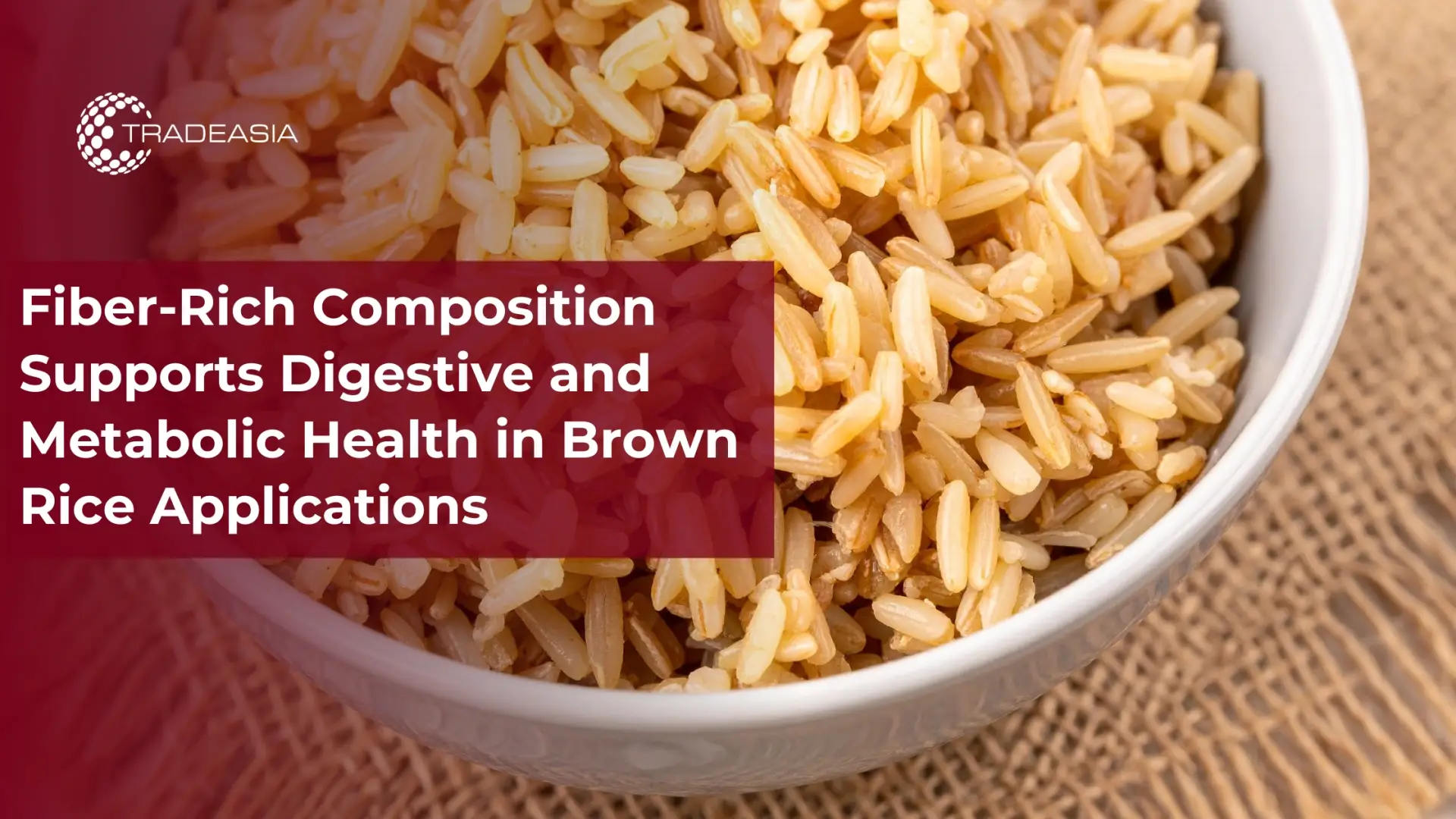
Brown rice has evolved from a traditional staple grain into a strategically positioned functional ingredient within modern food systems. As global consumers increasingly associate dietary fiber with digestive resilience, metabolic balance, and long-term disease prevention, brown rice has gained renewed relevance across both traditional cuisines and industrial food applications. Unlike refined grains, brown rice preserves its natural bran and germ layers, delivering a structurally intact source of dietary fiber and bioactive compounds. This integrity enables brown rice to bridge cultural familiarity with contemporary nutritional science, making it a versatile solution for health-driven formulations across diverse geographic markets.
Nutritional Composition of Brown Rice: A Fiber-Centered Profile
The nutritional profile of brown rice is defined primarily by its unpolished grain structure, which retains insoluble and soluble dietary fibers embedded within the bran layer. This fiber matrix is accompanied by magnesium, manganese, B-complex vitamins, and phenolic compounds that work synergistically to slow starch digestibility. Compared to white rice, brown rice exhibits a lower glycemic response due to delayed enzymatic breakdown of carbohydrates. This characteristic is particularly valued in Asian dietary patterns where rice remains a primary carbohydrate source. In countries such as Japan, South Korea, and Indonesia, brown rice is increasingly incorporated into everyday meals as a nutritionally superior alternative without disrupting traditional eating habits.
Dietary Fiber and Digestive Health Mechanisms
The digestive health benefits of brown rice are rooted in the physiological behavior of its fiber components within the gastrointestinal tract. Insoluble fiber increases fecal bulk and accelerates intestinal transit, reducing the risk of constipation commonly associated with refined grain consumption. In parallel, soluble fiber fractions undergo fermentation by gut microbiota, generating short-chain fatty acids that support colonocyte function and microbial diversity. These mechanisms are particularly relevant in urban populations across China, India, and Southeast Asia, where dietary transitions toward refined carbohydrates have coincided with rising digestive disorders. The reintroduction of brown rice into daily diets provides a culturally compatible intervention for restoring fiber intake and gastrointestinal balance.
Metabolic Health Implications of Brown Rice Consumption
Brown rice’s contribution to metabolic health extends beyond digestion, influencing glucose regulation, lipid metabolism, and appetite control. The fiber-rich structure slows gastric emptying and moderates postprandial glucose release, reducing insulin spikes and supporting glycemic stability. This effect is increasingly leveraged in dietary strategies for populations with high prevalence of type 2 diabetes, particularly in India, China, and Middle Eastern countries. Clinical nutrition programs and hospital meal planning in these regions often integrate brown rice as a staple carbohydrate to support metabolic management. Additionally, the satiety-enhancing properties of brown rice fiber contribute to weight control, making it a foundational ingredient in calorie-managed diets and wellness-focused food products.
Functional Applications of Brown Rice in Food Systems
In traditional Asian cuisines, brown rice is used in steamed rice dishes, rice porridge, and mixed-grain meals, particularly in Japan, South Korea, and Thailand, where health-conscious consumers increasingly favor whole grains. In Japanese cuisine, brown rice is incorporated into genmai meals and macrobiotic diets, valued for its digestive support and sustained energy release. In South Asian contexts, brown rice is used in biryani, pulao, and rice-based breakfast dishes to enhance fiber content while maintaining culinary authenticity.
From an industrial perspective, brown rice has become a key ingredient in gluten-free food manufacturing, particularly in North America and Europe. Brown rice flour is widely used in bakery products, pasta, and snack formulations to provide structure, moisture retention, and nutritional enrichment. In the plant-based food industry, brown rice protein concentrates and whole-grain inclusions are incorporated into meat alternatives and nutritional bars, supporting clean-label positioning and fiber-related health claims.
In the ready-to-eat and convenience food sectors, especially in Japan, South Korea, and Singapore, brown rice is utilized in frozen meals, bento boxes, and health-oriented meal kits. Its ability to retain texture during reheating and its perceived health value make it suitable for premium convenience offerings. In beverage and nutrition industries, brown rice derivatives are used in fermented drinks and meal replacement products in markets such as China and South Korea, where functional beverages aligned with digestive health are gaining popularity.
Market Trends and Consumer Demand for Fiber-Rich Grains
Global demand for fiber-rich grains continues to rise as governments and health organizations emphasize increased whole-grain consumption. In Asia-Pacific, brown rice adoption is driven by public health campaigns targeting diabetes and obesity. In Europe and North America, demand is fueled by gluten-free, plant-based, and clean-label trends. Emerging markets in the Middle East and Africa are also incorporating brown rice into health-focused imports as dietary patterns diversify. This cross-regional demand growth positions brown rice as both a traditional staple and a modern functional ingredient, resilient to short-term dietary trends.
Regulatory and Nutritional Positioning
Brown rice is recognized globally as a whole-grain ingredient, enabling manufacturers to make fiber-related and whole-grain claims under established regulatory frameworks. Its natural fiber content supports compliance with dietary guidelines issued by authorities such as the WHO, FDA, and EFSA. In many markets, including the United States, Japan, and the European Union, brown rice is actively promoted within public dietary recommendations. This regulatory endorsement strengthens its credibility in health-oriented product development and institutional food programs.
Conclusion
Brown rice exemplifies how traditional grains can be repositioned as functional solutions within modern food systems. Its fiber-rich composition supports digestive regularity, metabolic stability, and sustained energy delivery while maintaining cultural relevance across global cuisines. From Asian household meals to industrial gluten-free formulations and health-focused convenience foods, brown rice continues to demonstrate versatility and nutritional value. As consumer demand for fiber-rich, minimally processed ingredients accelerates worldwide, brown rice is set to remain a cornerstone of both dietary tradition and food innovation.
For food manufacturers, ingredient buyers, and product developers seeking reliable brown rice ingredients tailored to functional food applications, Tradeasia International offers consistent sourcing and global distribution support. To explore specifications, origin options, or supply availability, please visit www.foodadditivesasia.com or contact our team at food@chemtradeasia.com.
Leave a Comment