Introduction
The Asian chemical market is a powerhouse of global industry, with its dynamics increasingly shaping worldwide supply chains. Within this vast landscape, formic acid stands out as a critical intermediate and specialty chemical, witnessing a transformative phase driven by evolving agricultural practices and industrial demand. As we look towards 2026, the confluence of trends in animal nutrition, particularly feed acidification, with complex supply dynamics presents a compelling narrative for stakeholders across the value chain. This article provides a detailed analysis of the Asia formic acid market projected to 2026, examining the potent drivers of demand, the intricacies of regional supply, and the strategic considerations for procurement and application.
The significance of Asia in the global formic acid equation cannot be overstated. The region is not only a massive consumer but also a pivotal production hub, with countries like China, India, and Southeast Asian nations playing crucial roles. Understanding the interplay between localized demand surges, raw material availability, and trade policies is essential for businesses seeking to secure a stable and cost-effective supply. This analysis will delve into these factors, offering insights for manufacturers, distributors, and end-users navigating this essential market.
The Rising Tide of Feed Acidification in Asia
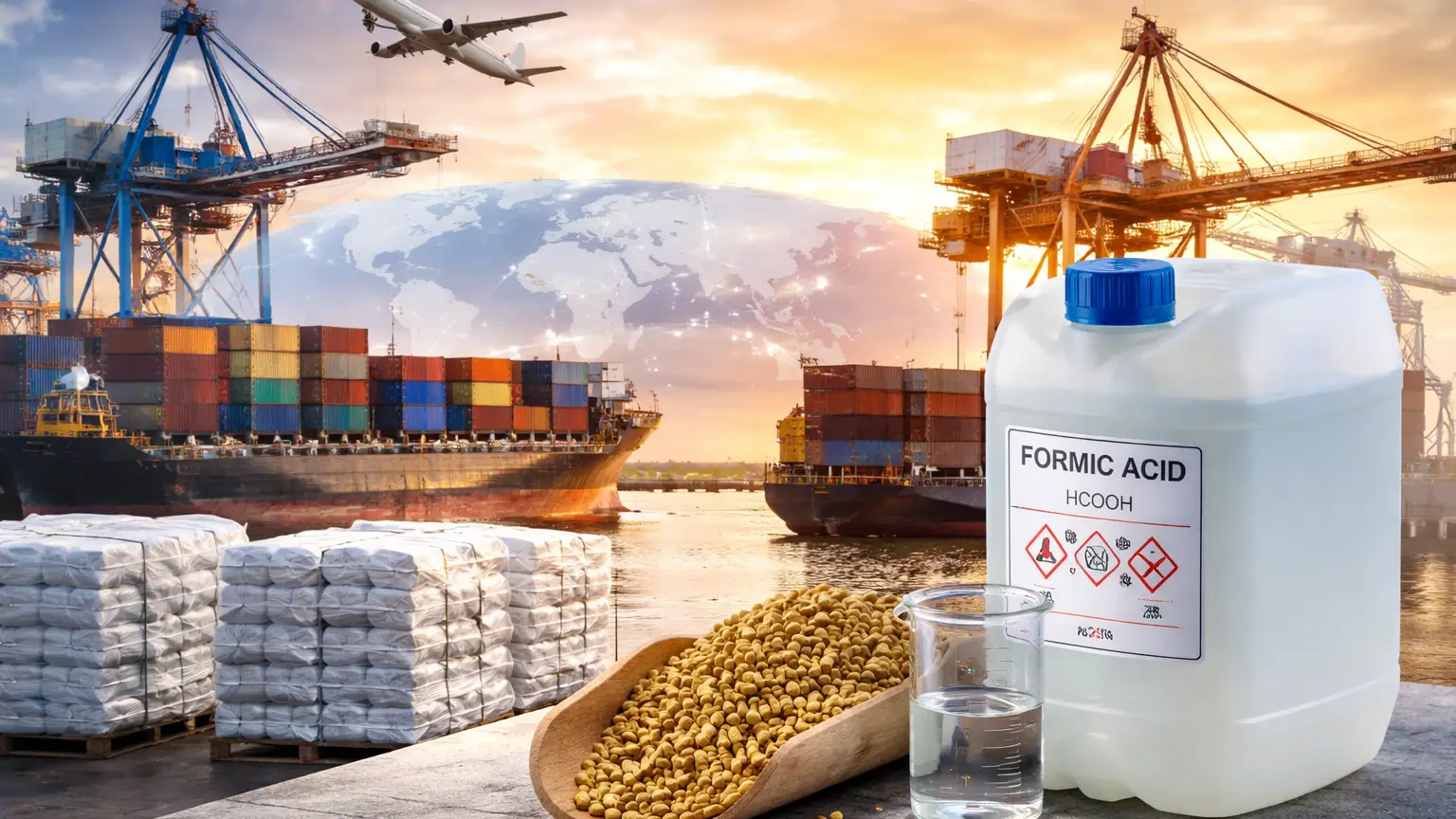
The most significant demand driver for formic acid in Asia through 2026 is the rapid adoption of feed acidification in the livestock and aquaculture sectors. As the region's population grows and incomes rise, the demand for animal protein is skyrocketing, placing immense pressure on producers to enhance efficiency, ensure animal health, and improve yield. In this context, formic acid has emerged as a preferred organic acid for preserving feed quality and promoting gut health. Its role as an antimicrobial and preservative in silage and compound feed helps reduce spoilage, inhibit pathogens like Salmonella and E. coli, and improve nutrient digestibility.
This trend is particularly pronounced in China, Vietnam, Thailand, and India, where intensive farming practices are becoming the norm. Regulatory pressures to reduce the use of antibiotic growth promoters (AGPs) are further accelerating this shift. Governments and consumers are increasingly demanding safer, residue-free meat products, making natural acidifiers like formic acid a vital tool for sustainable livestock production. The aquaculture industry, a cornerstone of food security in many Asian nations, is also turning to acidifiers to improve feed utilization and combat diseases in shrimp and fish farming, opening another substantial avenue for formic acid demand.
Market analysts project the feed acidifiers segment in Asia-Pacific to grow at a robust CAGR of over 5.5% through 2026, with formic acid maintaining a leading share due to its cost-effectiveness and proven efficacy. This growth is not uniform but is concentrated in regions with modernizing agricultural sectors and strong export-oriented meat and aquaculture industries, creating specific hotspots for formic acid consumption that suppliers must strategically target.
Formic Acid: A Versatile Workhorse in Agriculture and Industry
Formic acid (HCOOH) is the simplest carboxylic acid, characterized by its pungent odor and clear, colorless appearance. Its versatility stems from its dual functionality as both an acid and an aldehyde, making it invaluable across sectors. In the context of the Asian market's growth, understanding its specifications and primary use cases is crucial for effective application and sourcing. Commercial grades typically range from 85% to 94% concentration, with specific grades tailored for feed, leather, or chemical synthesis.
Beyond feed acidification, its applications are diverse. In leather tanning and dyeing, particularly in major producing countries like India and Bangladesh, it is used as a deliming and pickling agent. In the chemical and pharmaceutical industries, it serves as a precursor for synthesizing other chemicals, such as esters, and as a solvent. It is also employed in natural rubber coagulation, textile finishing, and as a drilling fluid additive in oil and gas. However, the feed-grade formic acid must meet stringent purity standards to ensure it is free from harmful impurities that could contaminate the food chain, a key consideration for distributors like chemtradeasia.com when sourcing.
When compared to other feed acidifiers like propionic or lactic acid, formic acid often holds a competitive edge in terms of antimicrobial strength per unit cost and its effectiveness in lowering feed pH rapidly. Its ability to penetrate bacterial cell walls makes it exceptionally good at feed preservation. For industrial users, the choice between grades depends on the required concentration, impurity profile, and packaging—from drums and IBCs to bulk tanker shipments—which professional chemical suppliers are equipped to provide according to precise customer needs.
Key Supply Dynamics and Regional Production Hubs
The supply landscape for formic acid in Asia is dominated by China, which accounts for the lion's share of both production and consumption globally. Chinese production is primarily based on the methyl formate hydrolysis process, with large-scale plants operated by major chemical conglomerates. This concentration creates a supply axis that the entire region depends on, making factors like Chinese domestic policy, environmental inspections, and methanol price fluctuations critical to regional formic acid market stability. In recent years, environmental "blue sky" policies have periodically constrained production, causing volatility in availability and price.
Outside of China, other notable production exists but at a smaller scale. India has several producers catering to domestic leather and chemical industries, while countries like South Korea and Japan have advanced but more specialized production capacities. Southeast Asia, despite being a major demand zone, relies heavily on imports from China and the West. This import dependency shapes trade flows, with ports in Vietnam, Thailand, and Indonesia being key entry points. Regional distributors with a networked presence, such as those under the chemtradeasia brand (e.g., chemtradeasia.sg for Southeast Asia or chemtradeasia.in for India), play a vital role in bridging this gap, ensuring just-in-time delivery and managing logistics complexities for end-users.
Looking to 2026, supply dynamics may see gradual shifts. Investments in production capacity in Southeast Asia or India could materialize to reduce reliance on Chinese imports, especially for feed-grade acid. Furthermore, the integration of green methanol pathways could influence production sustainability. However, China's cost advantage and established scale will likely keep it at the center of the Asian formic acid supply web, making a deep understanding of its market imperative for all regional players.
Navigating Challenges in the Formic Acid Supply Chain
Procuring formic acid in Asia involves navigating a matrix of challenges that extend beyond simple price negotiation. Price volatility is a primary concern, tightly linked to the costs of key raw materials like methanol and sulfuric acid, as well as energy prices. Geopolitical tensions and trade policies, such as tariffs or anti-dumping duties, can abruptly alter cost structures and availability. For instance, trade measures affecting Chinese exports can ripple through the entire Asian market, necessitating agile sourcing strategies.
Logistical and handling challenges are equally significant. Formic acid is a corrosive substance, classified for transport as a Class 8 dangerous good. This mandates specialized packaging, certified transportation, and strict adherence to safety regulations during storage and handling. In regions with underdeveloped infrastructure, ensuring the integrity of the product from plant to end-user becomes a critical task. Furthermore, consistent quality assurance is non-negotiable, particularly for feed applications where impurities can have severe consequences.
This is where established regional chemical distributors provide immense value. A partner with a platform like chemtradeasia.ae for the Middle East and Asia connections or chemtradeasia.co.id for Indonesia can mitigate these risks. They offer not just product, but supply chain solutions: quality verification from audited producers, managed logistics compliant with dangerous goods regulations, flexible delivery options, and technical support. By leveraging such a distributor's network and expertise, buyers can transform a volatile commodity purchase into a stable, reliable supply chain component, allowing them to focus on their core business of animal nutrition or manufacturing.
Conclusion
The trajectory of the Asia formic acid market towards 2026 is marked by strong, demand-led growth centered on the feed sector, underpinned by the region's protein consumption trends. Success in this market will require a dual focus: a deep understanding of the application benefits driving demand in agriculture and industry, and a strategic approach to managing the complex, China-centric supply landscape. Stakeholders who can effectively align their operations with these trends—whether as producers, distributors, or end-users—will be well-positioned to capitalize on the opportunities this essential chemical presents.
As the market evolves, partnerships with reliable, knowledgeable, and networked suppliers will be a key differentiator. Ensuring a consistent flow of high-quality formic acid will directly impact the efficiency and sustainability of downstream industries, from livestock farming to leather production. The coming years will likely see further consolidation of best practices in both application and logistics, shaping a more mature and stable regional market for this indispensable chemical.
Disclaimer: This article is for informational and market insight purposes only. It is not intended as technical, safety, or professional advice. The data and trends discussed are based on analysis at the time of writing and may change. We strongly advise readers to verify any critical information independently with qualified experts, consult official product documentation and safety data sheets (SDS/MSDS) for specific handling and application guidelines, and contact our technical team for advice tailored to your particular requirements and circumstances.
Leave a Comment