
Borax Decahydrate (Technical Grade) - Argentina CAS: 1303-96-4

When war‑risk insurance for vessels transiting the Strait of Hormuz surged to 10% of hull value, chemical shipping faced record freight rates and supply chain strain. This article examines the drivers, impacts, and strategic responses within Gulf maritime logistics.
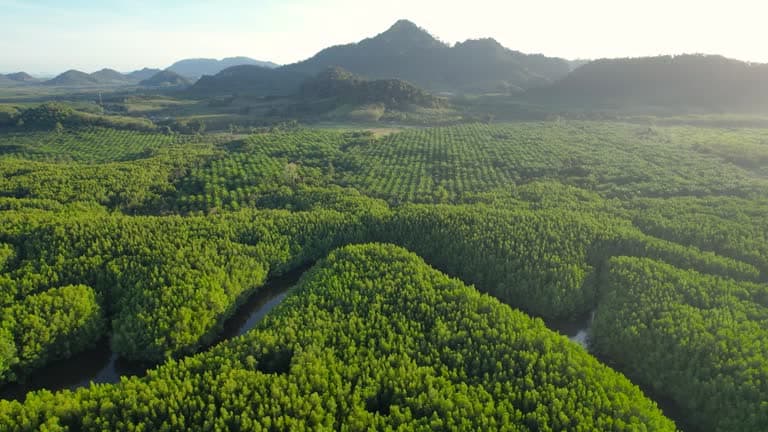
Tall oil, extracted from kraft pulp production in Scandinavia, offers a renewable, Hormuz‑free source of fatty acids and rosin. Its versatility fuels coatings, adhesives, inks and specialty chemicals, bolstering supply chain resilience across the Nordic chemical sector.

OCP is researching sulfur extraction from pyrite and pyrrhotite as an alternative to refinery by-product sulfur. This development could reshape long-term sulfur supply and support a more resilient and lower-carbon phosphate fertilizer value chain.
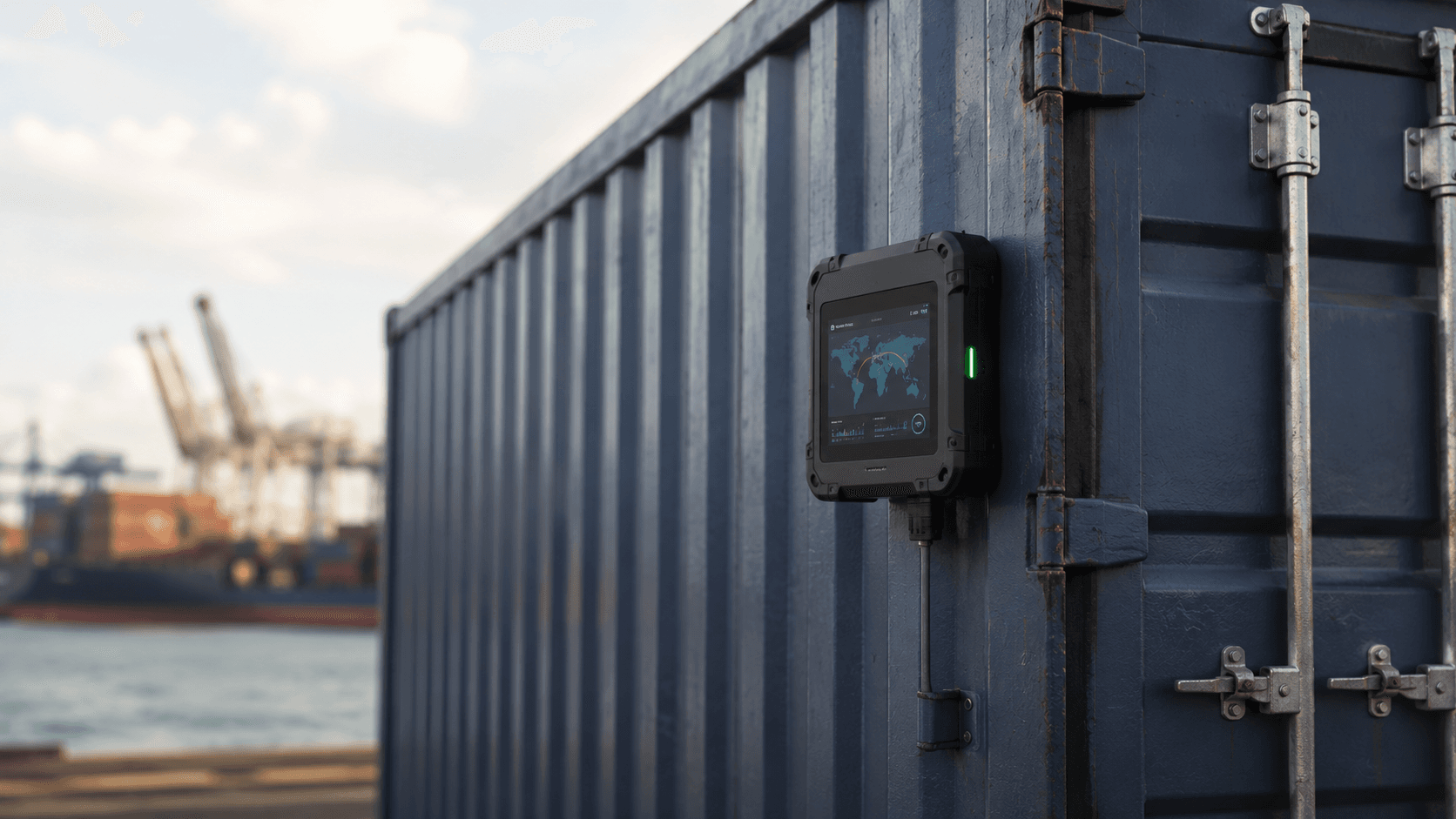
Food ingredient procurement has become increasingly dependent on timely market intelligence. Real-time data helps buyers improve shipment visibility, anticipate freight changes and make sourcing decisions with greater confidence.
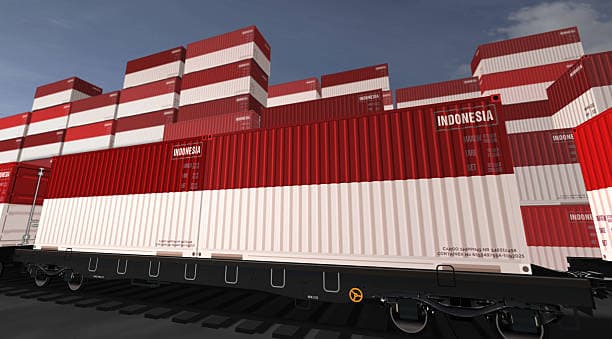
Indonesia’s booming HPAL nickel refining pushes sulfuric acid demand to new highs, exposing the sector to Gulf sulfur supply risks. With convoys resuming, refiners must act swiftly to secure long‑term contracts before premiums rise again. The next 18 months will define margins for battery‑grade nickel producers.
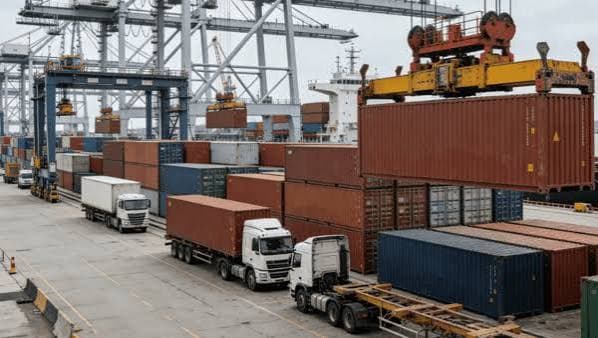
The July 1 bunker adjustment factor reset marks the first measurable freight cost relief for food ingredient buyers since the 2026 shipping crisis began. Procurement teams importing under CIF or CFR terms should use this week’s freight surcharge reduction as leverage to renegotiate H2 supplier pricing.
We're committed to your privacy. Tradeasia uses the information you provide to us to contact you about our relevant content, products, and services. For more information, check out our privacy policy.
Download Our Mobile App


Contact us
Keck Seng Tower133 Cecil Street #12-03Singapore, 069535, Republic of Singapore.
