
Urea (Granular) - Egypt CAS: 57-13-6
Asian petrochemical producers are reshaping their naphtha sourcing strategies after major supply disruptions exposed concentration risks. This analysis explains why diversified procurement has become a long-term competitive advantage for buyers across the region.
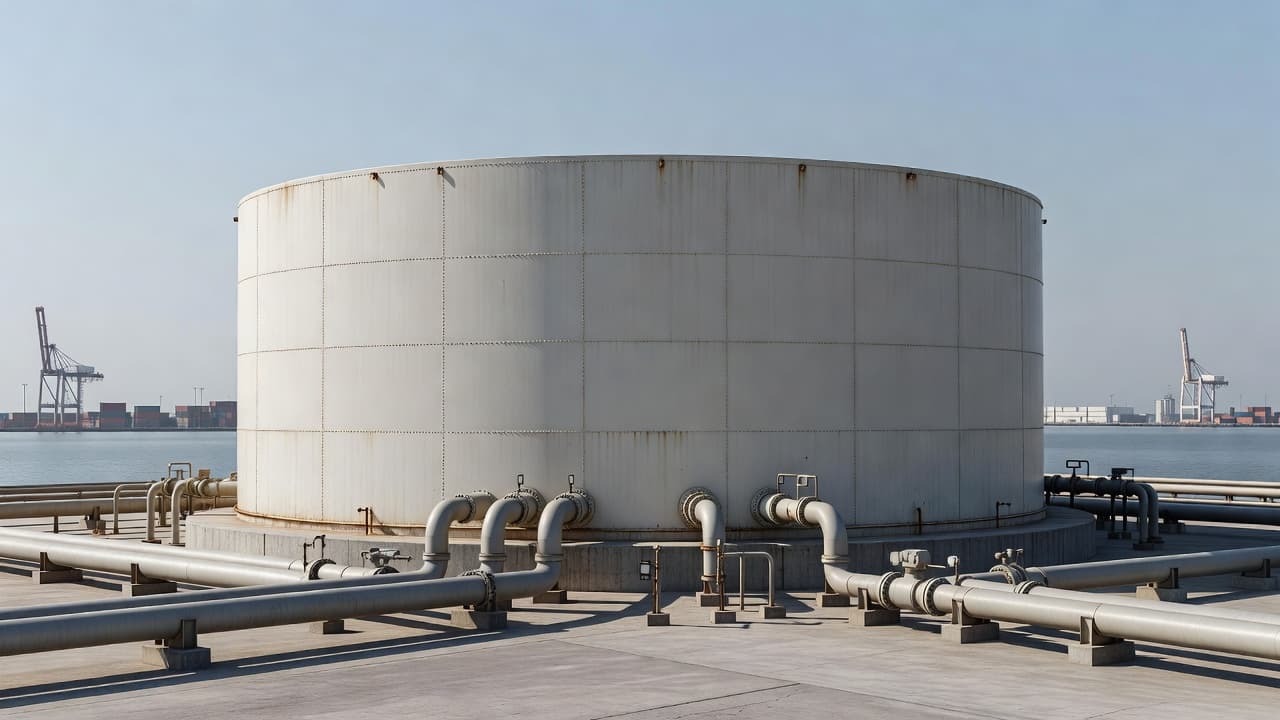
Chemical supply chains depend on stable trade routes, diplomatic channels and predictable negotiations. The Oman crisis shows how quickly geopolitical decisions can affect sourcing strategies, supplier confidence and procurement planning.

H1 2026 reshaped global chemical trade as the Hormuz crisis disrupted supply routes, cut seaborne volumes by up to 20%, boosted Chinese and US exports, and permanently altered logistics patterns. H2 will determine which of these structural shifts become the new normal.
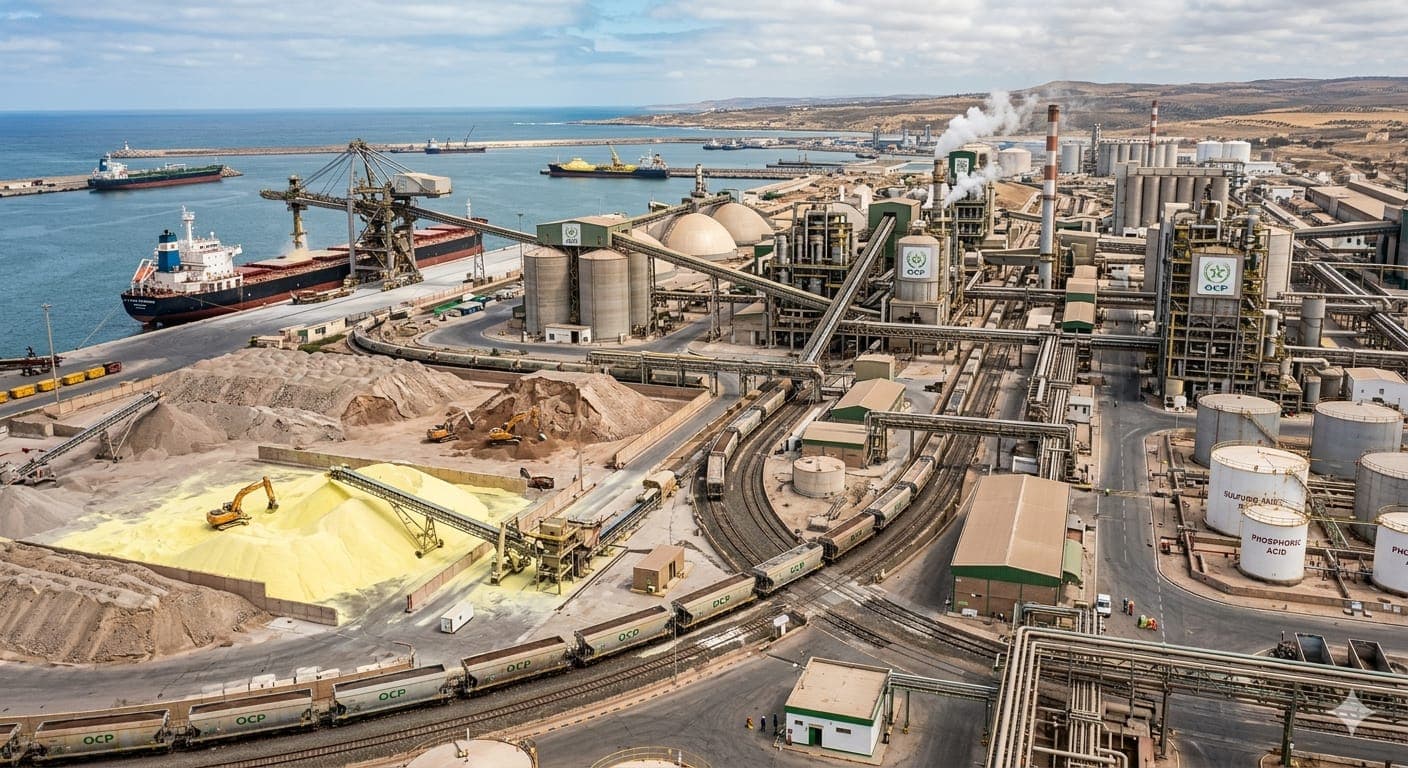
DAP prices surged in 2026 as Morocco's phosphate maintenance program collided with soaring sulfur costs and disrupted fertilizer supply chains. Buyers now face a market driven by feedstock inflation, shifting demand patterns and ongoing supply uncertainty.

QatarEnergy's suspension of LNG, ammonia and urea production has created one of the most significant disruptions to global nitrogen fertilizer markets in years. Even after shipping routes normalize, analysts expect fertilizer exports from the region to require up to 18 months to fully recover.
Acetic acid trade flows across Asia are changing rapidly as Chinese exports rise, India's duty exemption nears expiry and Gulf logistics remain constrained. Procurement teams must reassess sourcing strategies before policy and supply conditions shift again.
We're committed to your privacy. Tradeasia uses the information you provide to us to contact you about our relevant content, products, and services. For more information, check out our privacy policy.