
Related Insights

India's Trade Actions and Food-Contact Chemical Costs: What Packaging Buyers Should Watch
India's proposed anti-dumping duties on selected US chemical shipments and duty-free treatment for domestic polyurethane raw materials could reshape regional food-contact packaging costs. Procurement teams should assess supplier strategies and raw material exposure before pricing changes reach downstream markets.
Sulfur and Aluminum Supply at Risk: What the Hormuz Crisis Means for Chemical Procurement
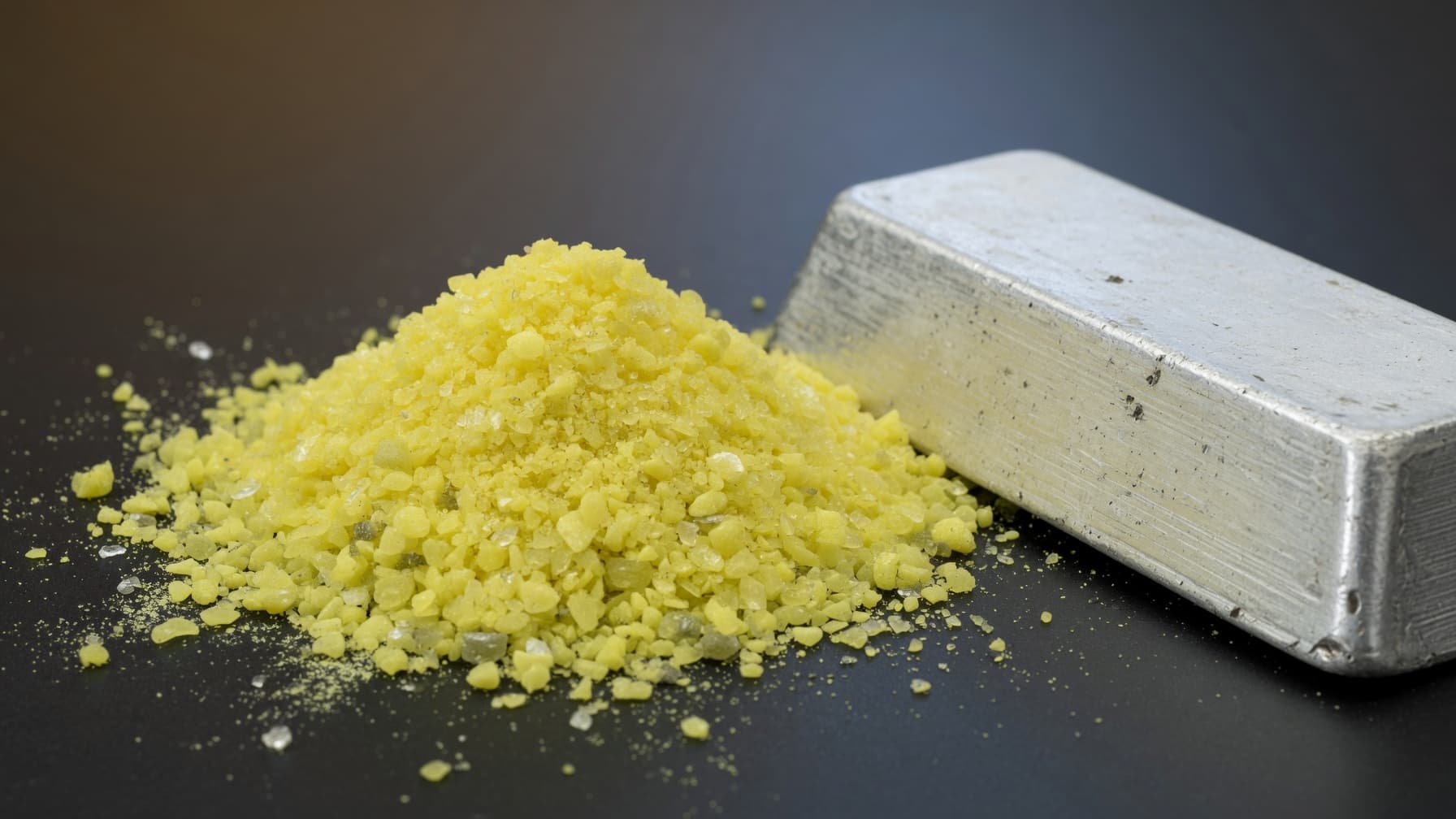
The Strait of Hormuz disruption extends beyond oil markets, affecting sulfur, aluminum, methanol and graphite that support global chemical manufacturing. Procurement teams should reassess sourcing strategies as industrial raw material risks continue to evolve.
Naphtha Supply Halted: How Asia's Petrochemical Makers Are Responding to Hormuz Disruptions
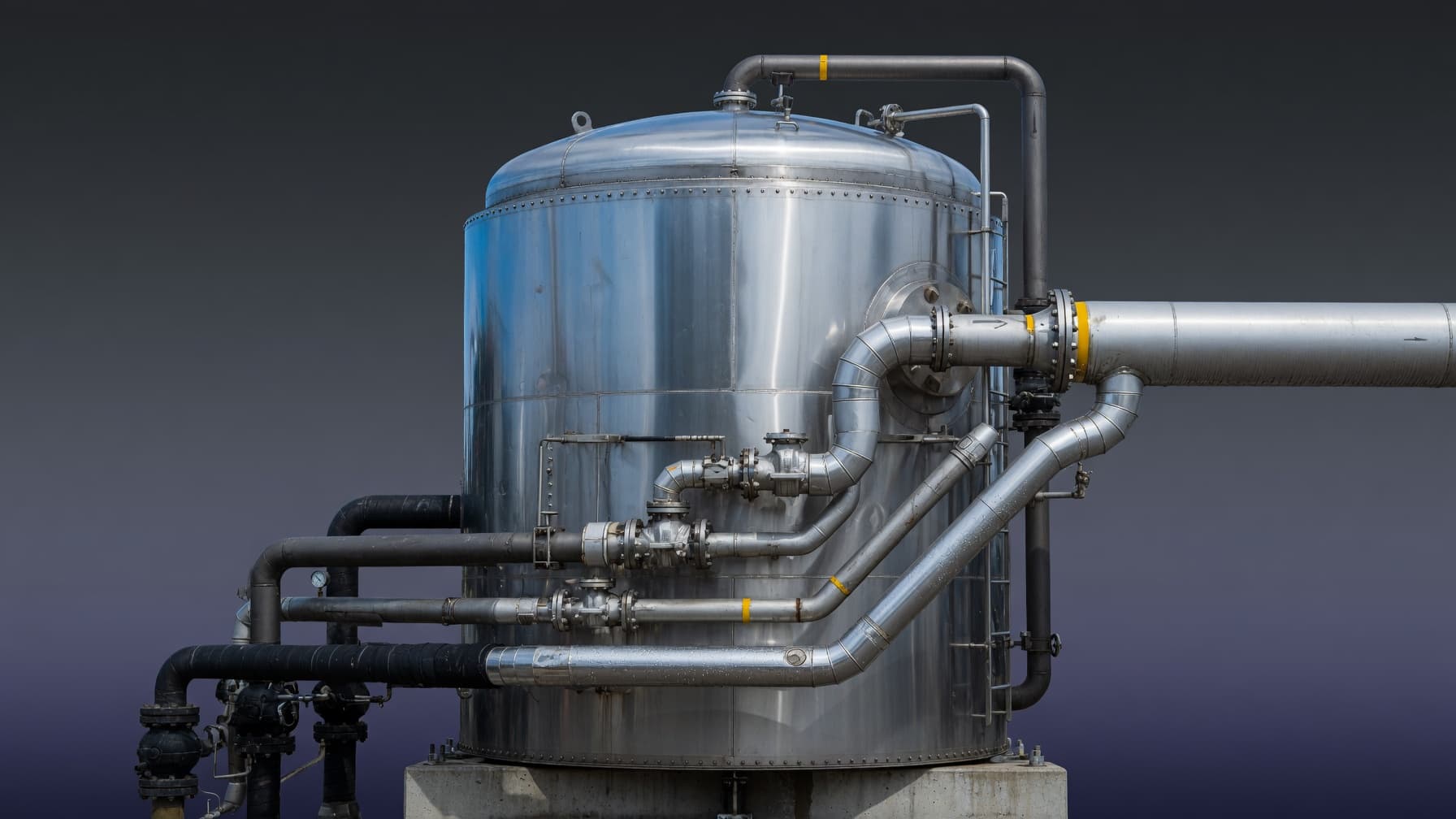
The disruption of naphtha shipments through the Strait of Hormuz has placed renewed pressure on Asia's petrochemical industry. Buyers of olefins, polymers and downstream petrochemicals should reassess feedstock exposure and supplier resilience as market conditions evolve.

Post‑Consumer Chemical Recovery: The Hormuz Crisis Case for Domestic Circular Feedstocks
The 2024 Hormuz crisis exposed fragilities in global feedstock supply chains, spotlighting the resilience of post‑consumer recycled chemicals. This article explores how domestic circular feedstocks reduce procurement risk, advance sustainability, and strengthen the circular economy.
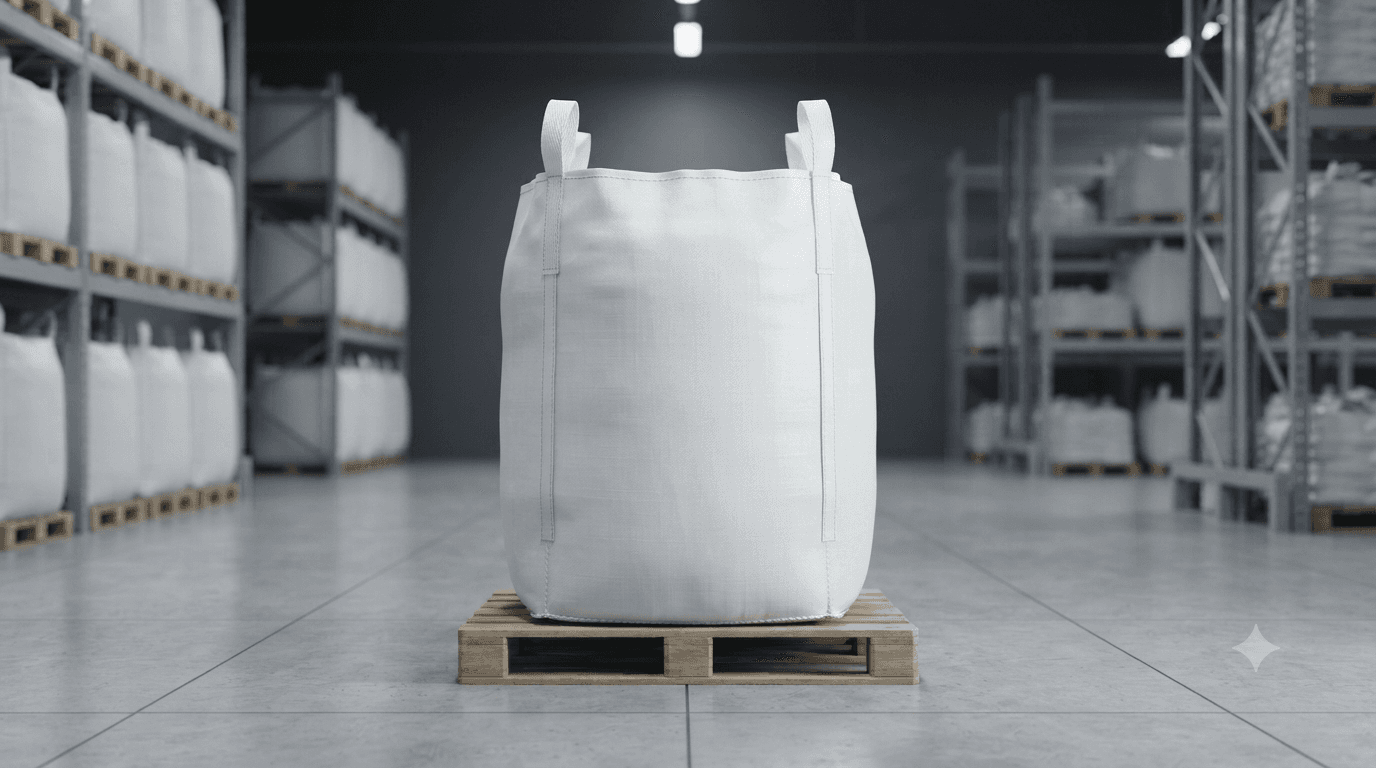
Tropical Storm Arthur and Gulf Coast Chemical Disruption: What It Means for Corn Starch, Glucose and Dextrose Supply
Tropical Storm Arthur has renewed attention on Gulf Coast supply chain risk just as the 2026 Atlantic hurricane season begins. Find out how refinery shutdowns, logistics disruptions and weather uncertainty could affect procurement strategies for corn starch, glucose and dextrose buyers during the second half of 2026.

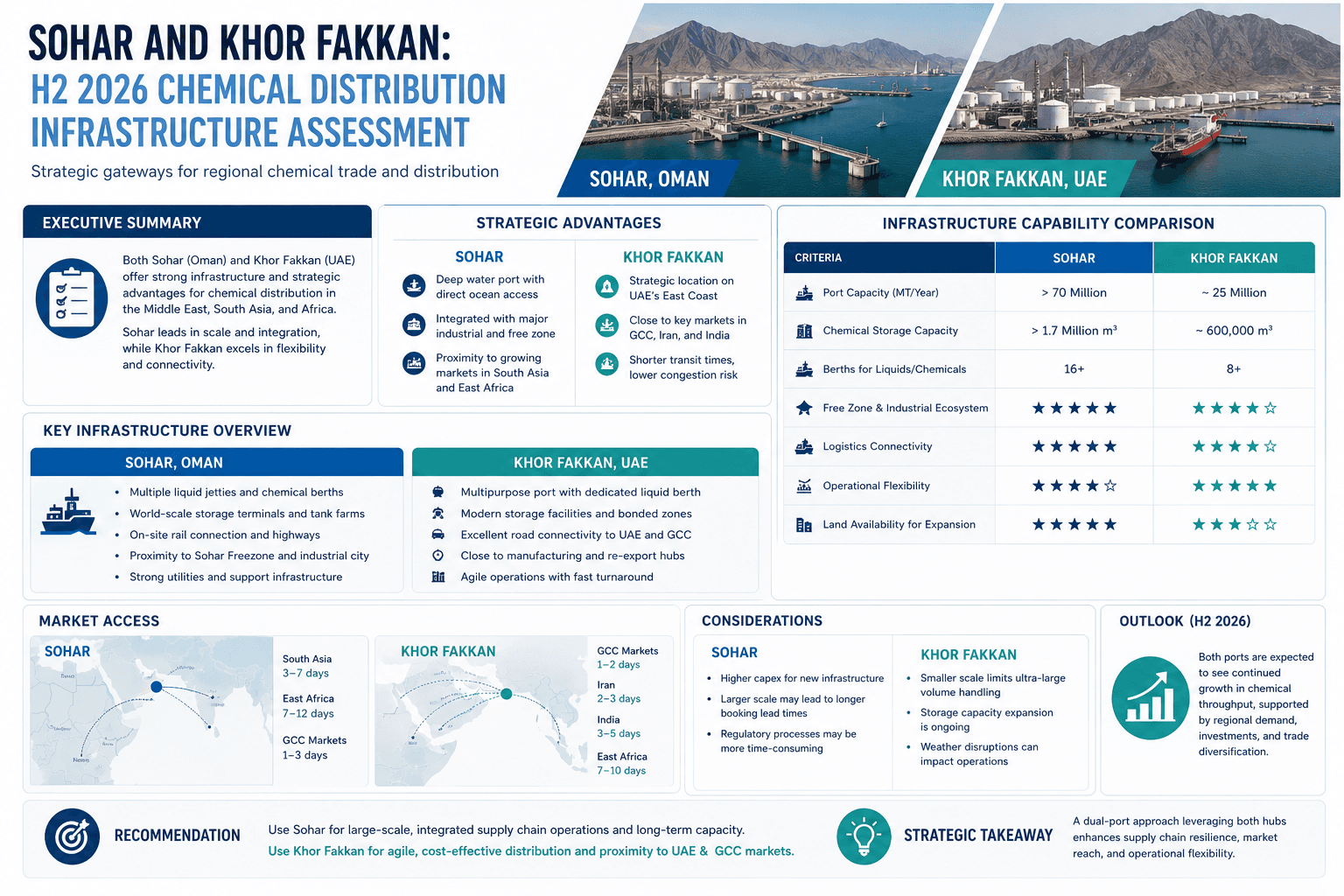
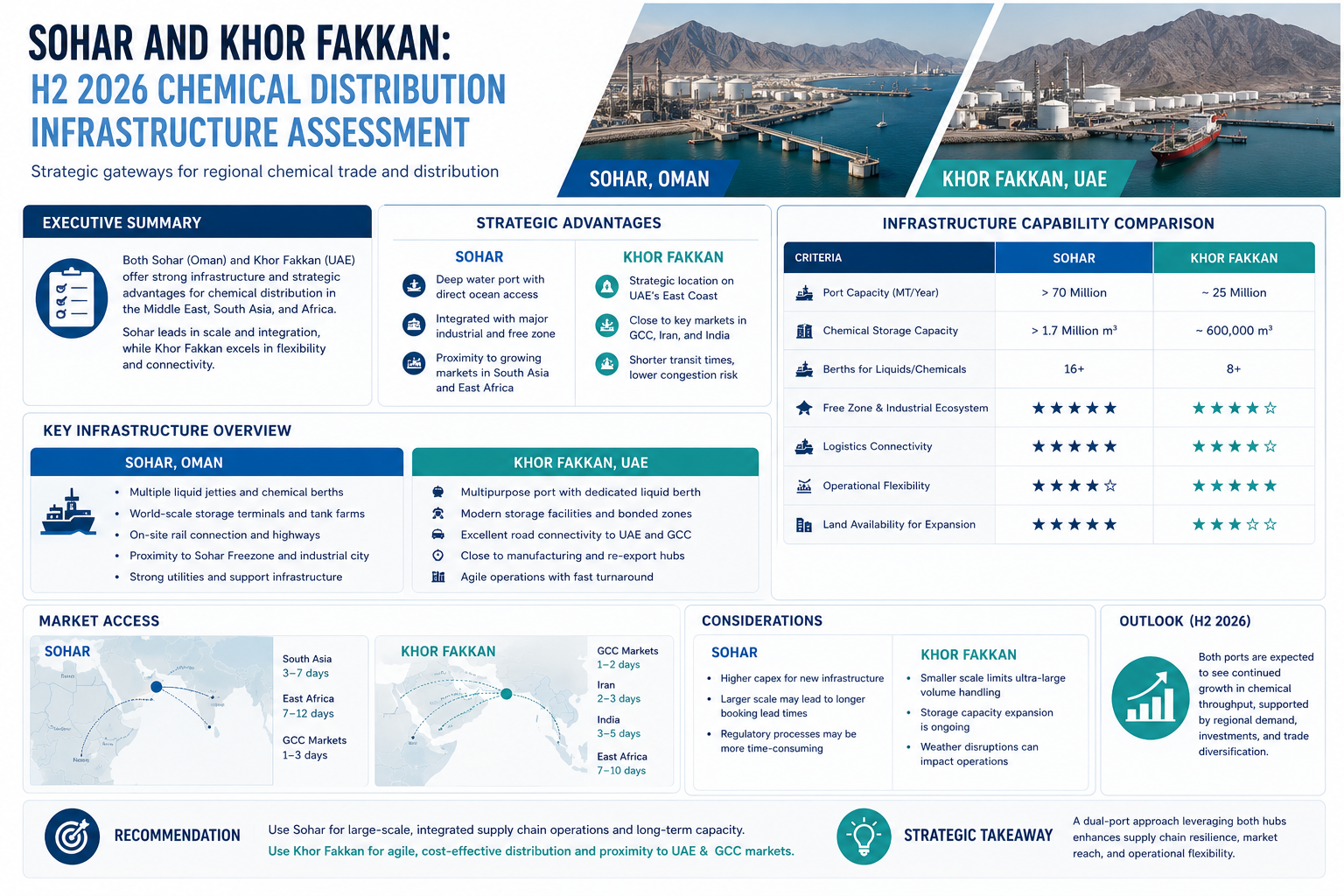
Port Infrastructure Shift in H1 2026: Sohar and Khor Fakkan Become Permanent Gulf Chemical Hubs
Sohar and Khor Fakkan close H1 2026 as expanded chemical logistics hubs, reshaping Gulf trade flows beyond Hormuz disruption. This shift signals a permanent change in regional distribution architecture for chemical supply chains
Don't miss out on our updates! Subscribe to our newsletter now
We're committed to your privacy. Tradeasia uses the information you provide to us to contact you about our relevant content, products, and services. For more information, check out our privacy policy.