
Related Insights

Japan's Agrochemical Pivot Toward India: Following the Solar Materials Playbook
As Japanese chemical makers redirect investment from China to India across sectors like solar materials, agrochemical suppliers are watching whether a similar shift plays out in crop protection. For procurement teams managing fungicide, herbicide and insecticide portfolios, understanding whether this geographic pivot extends to agricultural chemicals matters for supply chain planning and sourcing strategy.
Global Production Forecast Cut: What Atradius's 2026 Warning Means for Chemical Procurement
Atradius expects global chemical production to grow by only about 0.6% in 2026, with continued geopolitical conflict potentially resulting in a 1.7% contraction. Procurement teams should prepare for tighter supply conditions, changing pricing dynamics and increased sourcing risks.

ADNOC’s Dual Hubs: Ruwais Gearing Up as Secondary, Sohar Remains Primary Export Route
ADNOC’s two‑hub strategy reshapes the UAE chemical market. While Ruwais ramps up convoy operations, Sohar continues to dominate due to its established logistics network and lower congestion. Chemical buyers must weigh cost, risk, and supply‑chain nuances for Q3 2026.

Tropical Storm Arthur and Gulf Coast Chemical Disruption: What It Means for Corn Starch, Glucose and Dextrose Supply
Tropical Storm Arthur has renewed attention on Gulf Coast supply chain risk just as the 2026 Atlantic hurricane season begins. Find out how refinery shutdowns, logistics disruptions and weather uncertainty could affect procurement strategies for corn starch, glucose and dextrose buyers during the second half of 2026.
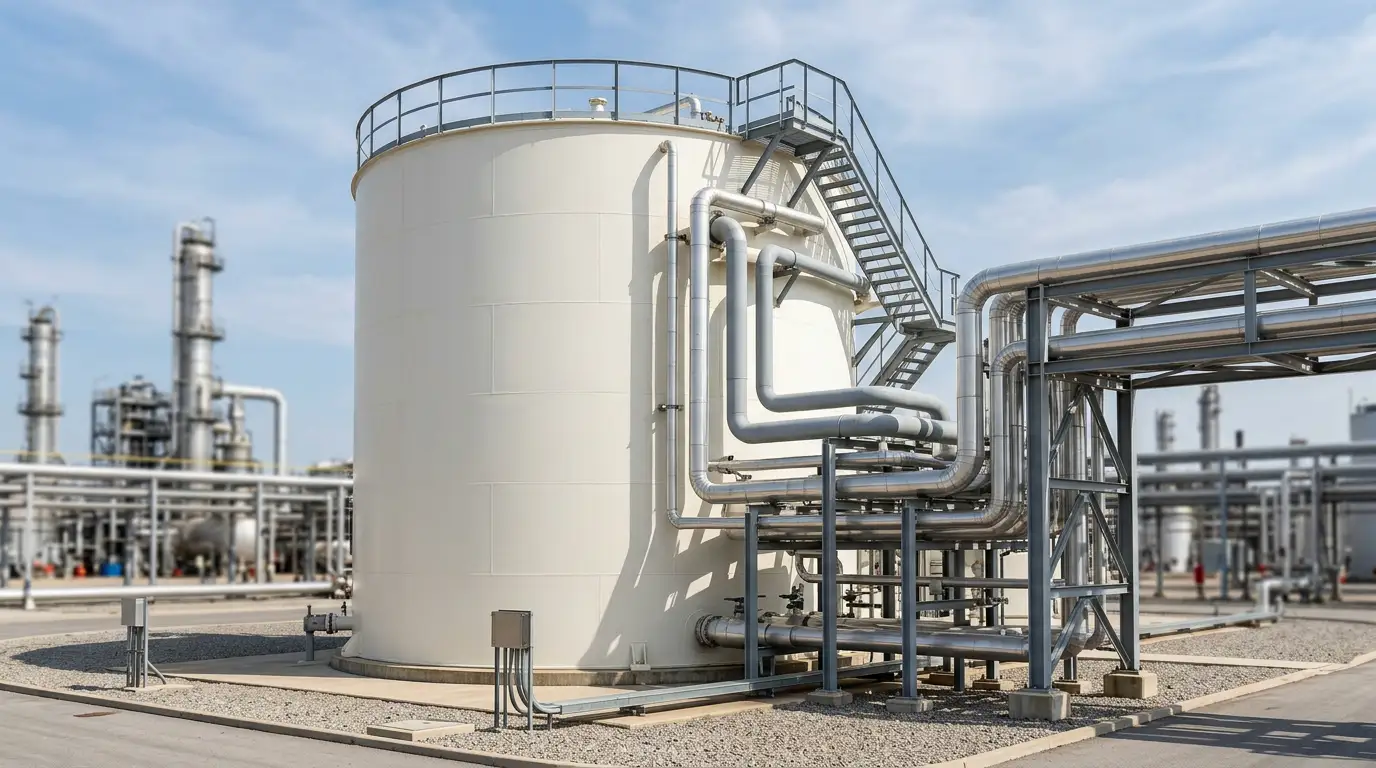
Caustic Soda Supply Recovery: Gulf Competition Returns to Asian Markets in Q3 2026
Gulf caustic soda supply is returning as Hormuz trade flows recover, creating new competition for Asian chemical suppliers. This analysis explains how buyers can prepare for changing pricing and sourcing options in Q3 2026.

Chemical Logistics Digital Tools: AIS, PortWatch, and Real-Time Tracking in the Hormuz Era
The Hormuz crisis has transformed digital maritime intelligence from a competitive advantage into an operational necessity. Chemical supply chain managers are increasingly relying on real-time vessel tracking and analytics to support procurement and logistics decisions.
Don't miss out on our updates! Subscribe to our newsletter now
We're committed to your privacy. Tradeasia uses the information you provide to us to contact you about our relevant content, products, and services. For more information, check out our privacy policy.