
Mono Propylene Glycol (E1520) CAS: 57-55-6
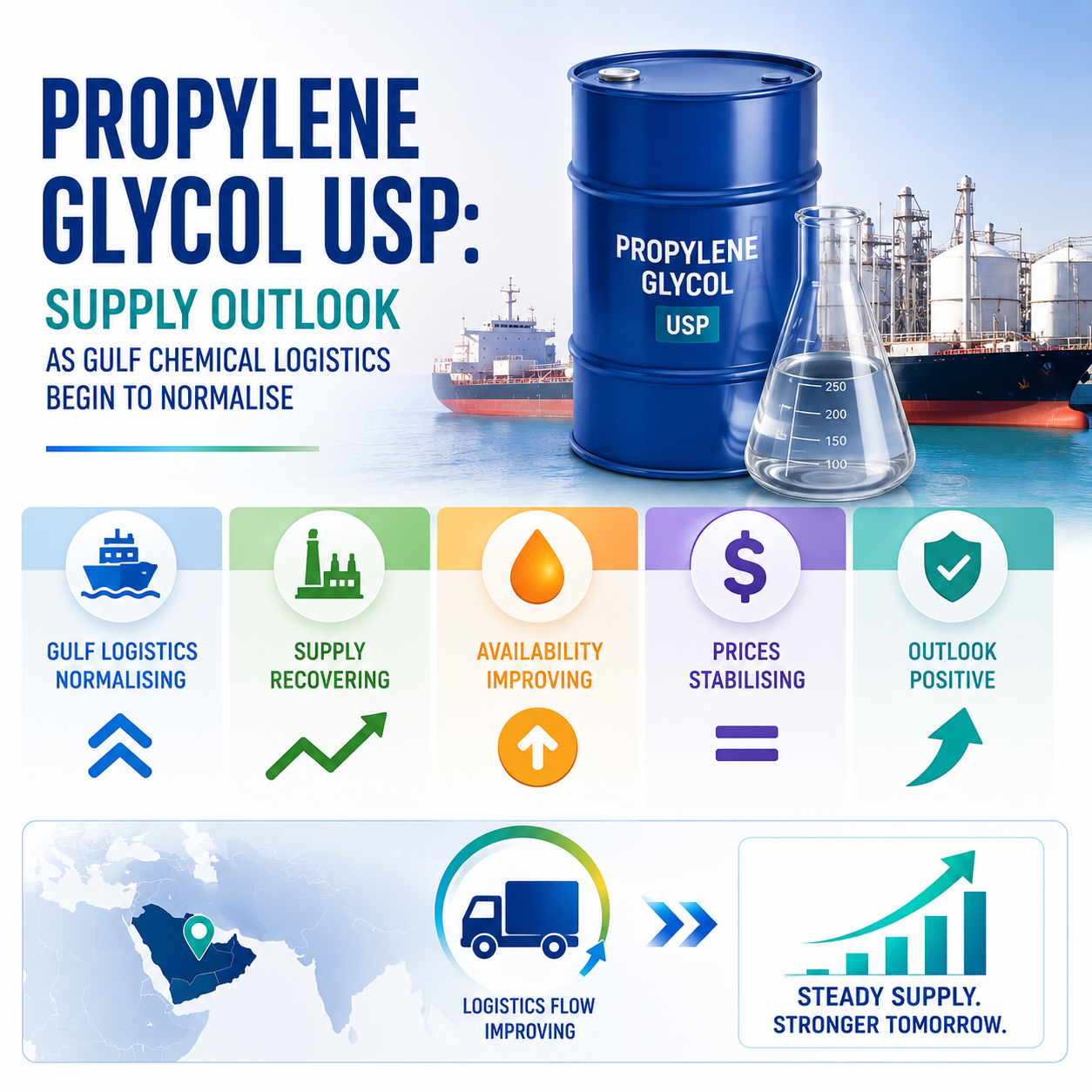
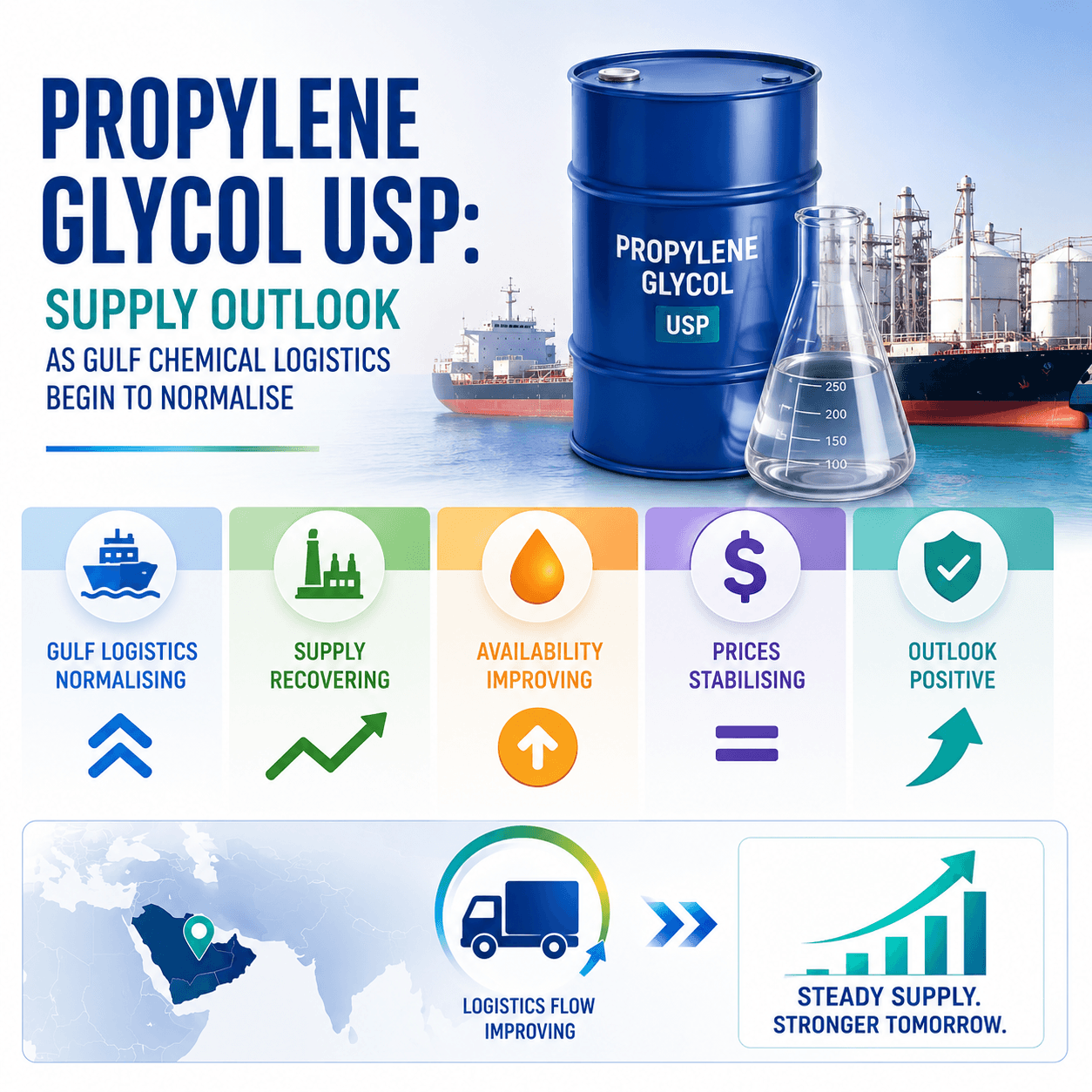
Mono Propylene Glycol (E1520) CAS: 57-55-6

The EIA's July outlook was built around assumptions that changed within weeks after the ceasefire collapsed. Chemical procurement and compliance teams should adopt scenario-based planning to strengthen supply chain resilience in an increasingly unpredictable market.
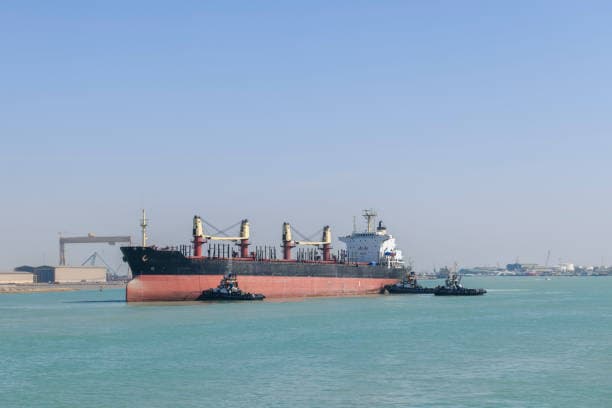
Despite heightened tensions in the Persian Gulf, Iranian-flagged ships continue to navigate key maritime corridors. Their persistent presence offers clues about regional shipping resilience, chemical logistics, and the evolving power dynamics of global supply chains.
Jordan's pharmaceutical API exports are showing signs of recovery as regional shipping conditions improve. Buyers dependent on antibiotic APIs should use July to verify logistics, rebuild inventories and secure Q3 supply agreements. This guide evaluates logistics recovery, procurement risks and outlines actionable Q3 sourcing strategies.

This weekly brief highlights Gulf logistics recovery, structural helium constraints, rising GLP‑1 solvent demand, shifting polymer duties in India, and imminent EU regulatory updates. Procurement teams must adjust sourcing strategies to navigate these evolving risks and opportunities.

The gradual restart of Gulf sulfur exports is expected to improve global sulfur availability and ease sulfuric acid market tightness. Fertilizer, mining, and battery manufacturers should prepare for improving supply conditions during Q3 2026.
Today's Doha talks could reshape chemical shipping logistics across the Gulf. With elevated maritime risk, delayed vessel movements and cautious carrier policies, procurement teams need to understand how today's diplomatic outcome could affect Q3 sourcing, freight costs and supply chain planning.
We're committed to your privacy. Tradeasia uses the information you provide to us to contact you about our relevant content, products, and services. For more information, check out our privacy policy.