
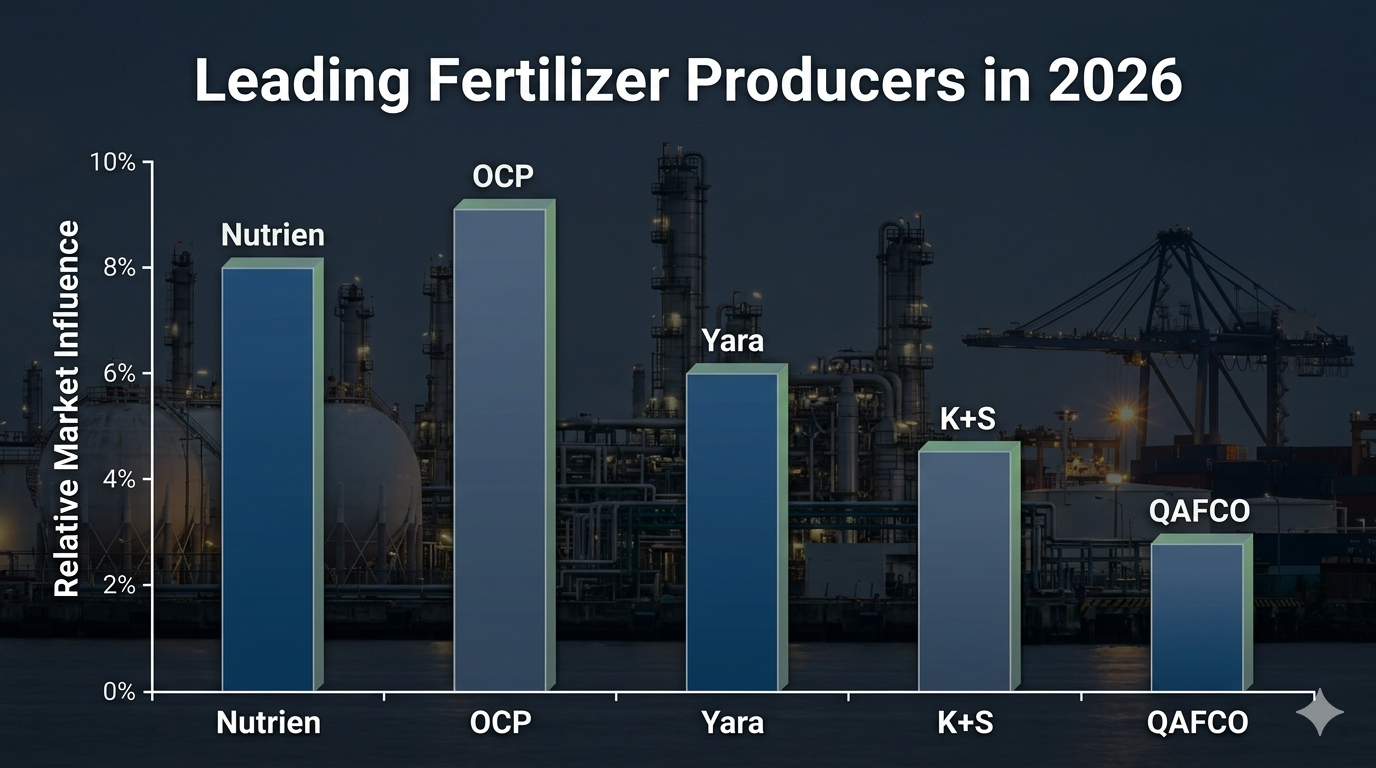

Urea (Granular) - Egypt CAS: 57-13-6

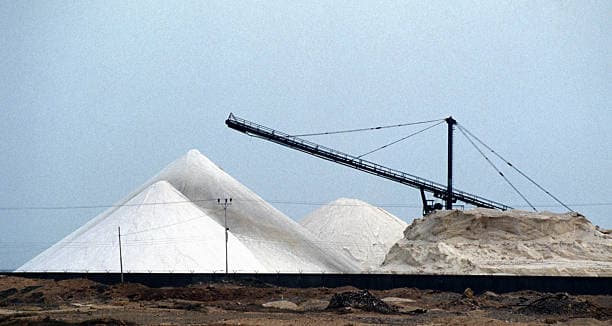
China’s ongoing ban on phosphate exports pushes global fertilizer markets into uncertainty, tightening DAP and MAP supplies, reshaping shipping routes, and forcing buyers to rethink procurement strategies. The ripple effect underscores the fragility of the agricultural input supply chain.

The U.S. administration has temporarily halted customs duties on Moroccan phosphate, a key raw material for fertilizers. This move reshapes import flows, sourcing decisions, and logistics planning for agribusinesses worldwide, with ripple effects across the global phosphate market.
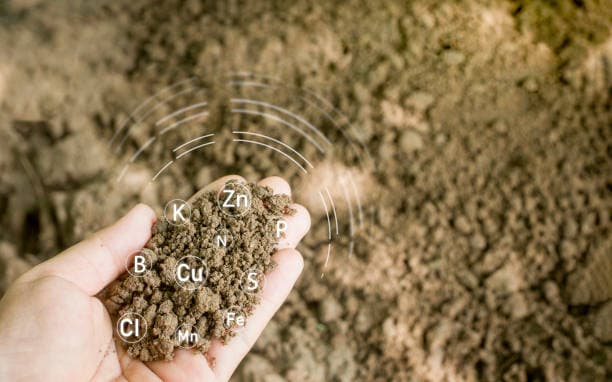
The EPA’s updated PFAS guidance reshapes how farmers use biosolids and fertilizers, influencing crop inputs and the broader food ingredient supply chain. Learn what it means for compliance, sourcing, and consumer safety.

Thailand's emergency fuel export ban highlighted how government intervention can rapidly disrupt downstream chemical supply chains. Procurement teams that rely on Thai petrochemical exports can use this case to strengthen sourcing strategies and reduce exposure to sudden market shocks.
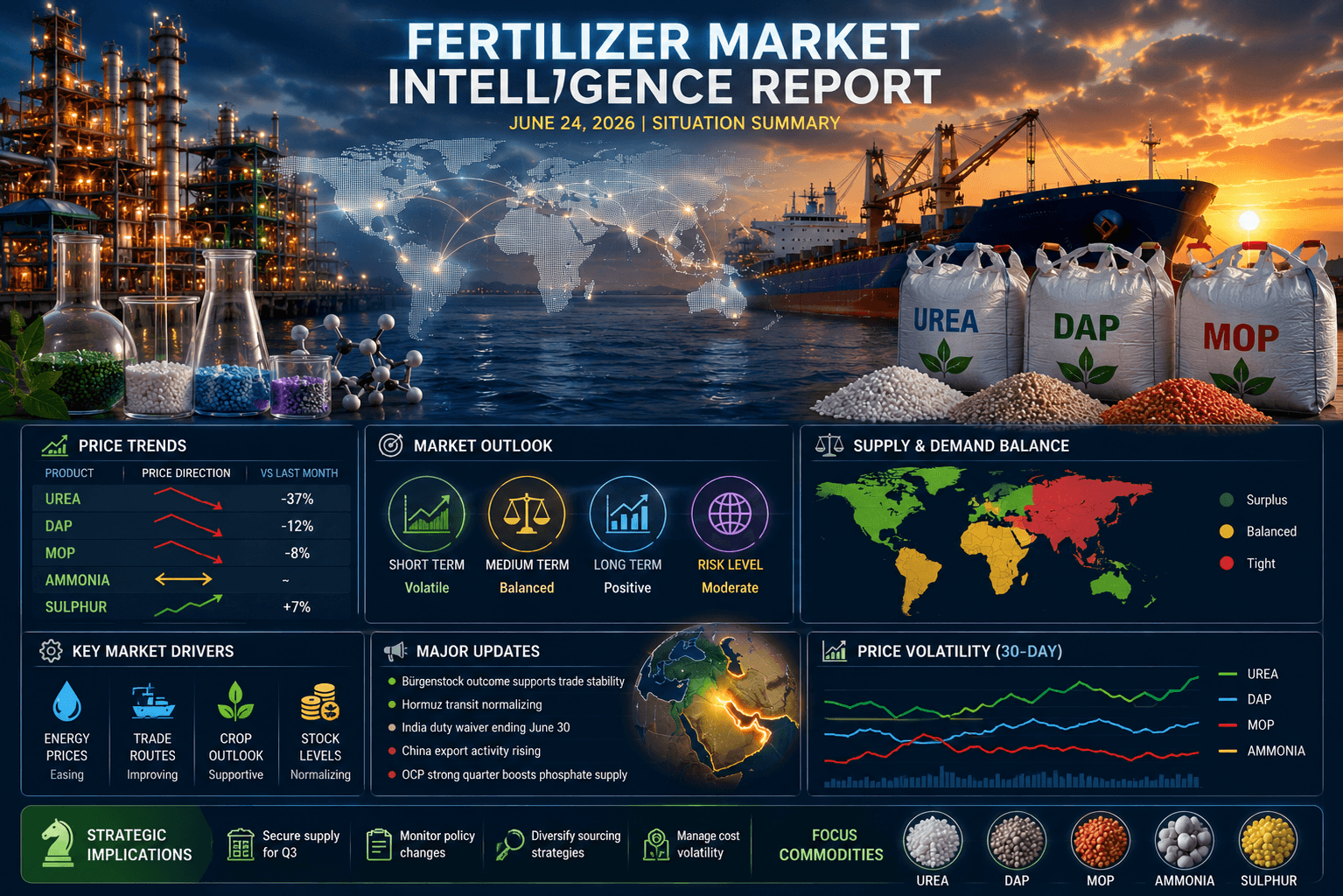
Global fertilizer markets are stabilizing after months of disruption, but June 2026 remains a critical procurement window. Urea prices are down 36%, ammonia exports may restart in July, and fertilizer buyers must navigate supply recovery, policy deadlines, and pricing uncertainty.

The end of India’s fertilizer duty waiver and the launch of the MMTC Q3 tender are reshaping procurement strategies for urea and DAP. Farmers, importers and policy makers are recalibrating expectations as pricing volatility rises. This article dissects the key drivers and market implications.
We're committed to your privacy. Tradeasia uses the information you provide to us to contact you about our relevant content, products, and services. For more information, check out our privacy policy.