
Biotin CAS: 58-85-5

Biotin CAS: 58-85-5

The EIA's July outlook was built around assumptions that changed within weeks after the ceasefire collapsed. Chemical procurement and compliance teams should adopt scenario-based planning to strengthen supply chain resilience in an increasingly unpredictable market.
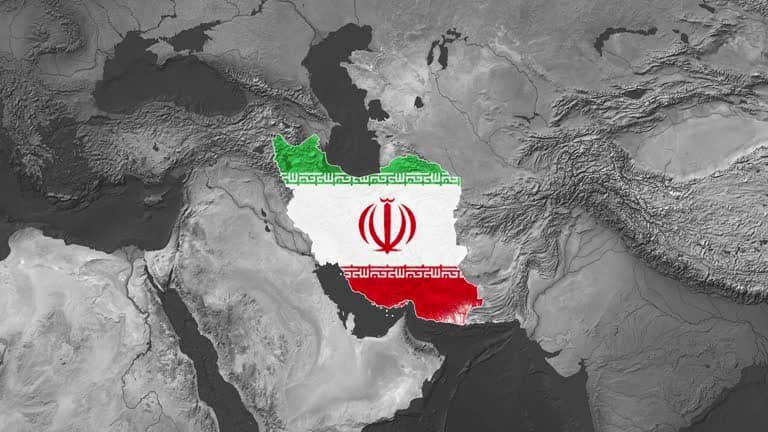
Iran’s proposed Hormuz transit fees could add $500–750 million annually to global chemical trade costs, creating a permanent landed‑cost increase for Gulf‑origin chemicals. This article analyzes the fee structure, its impact on petrochemical freight risk, and strategies for 2026 chemical procurement.

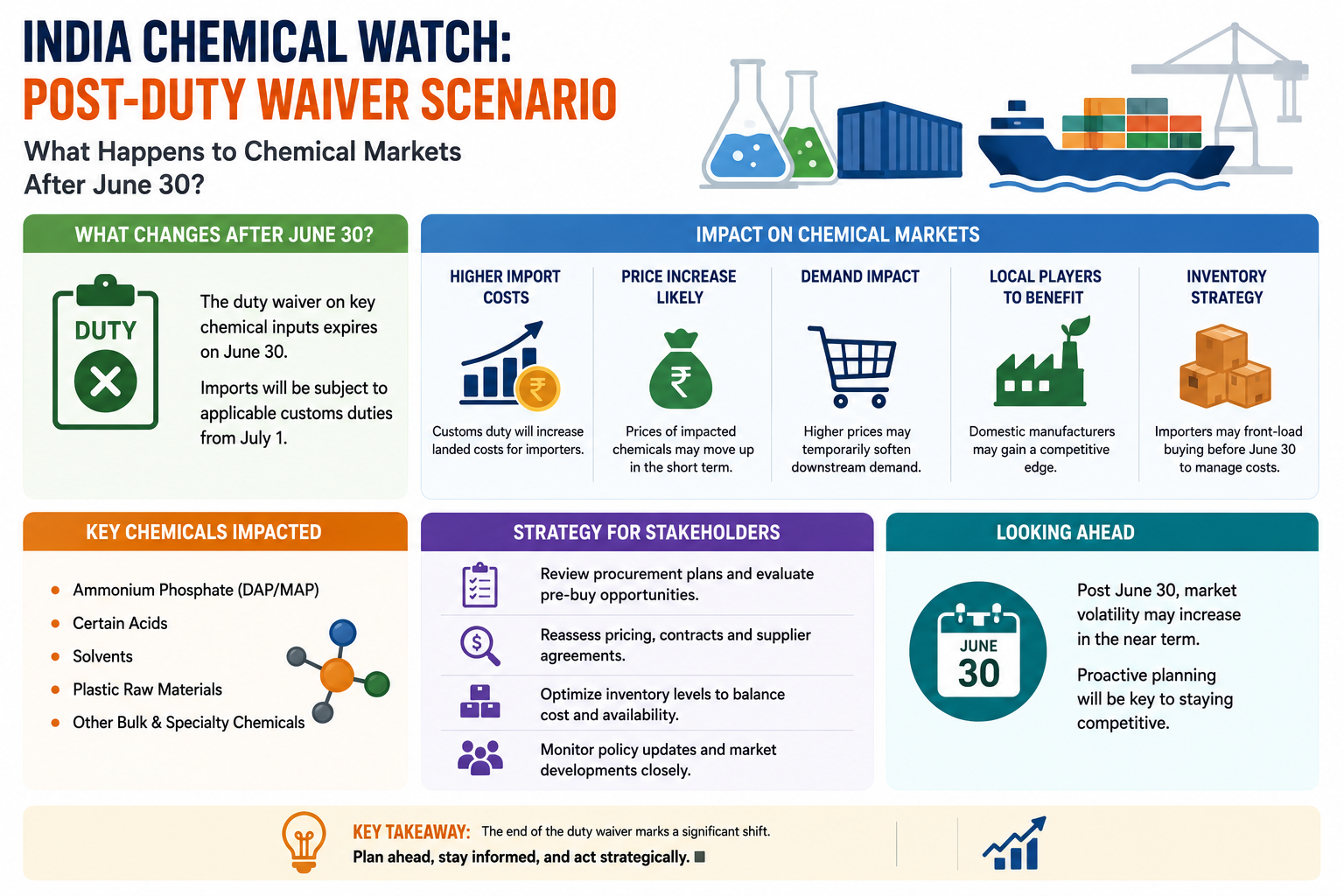
India’s temporary customs duty waiver on key petrochemical feedstocks is approaching its June 30 deadline, creating uncertainty for importers and buyers. Procurement teams must reassess landed costs, supplier options and Q3 sourcing plans before policy decisions are finalized.
Acetic acid trade flows across Asia are changing rapidly as Chinese exports rise, India's duty exemption nears expiry and Gulf logistics remain constrained. Procurement teams must reassess sourcing strategies before policy and supply conditions shift again.
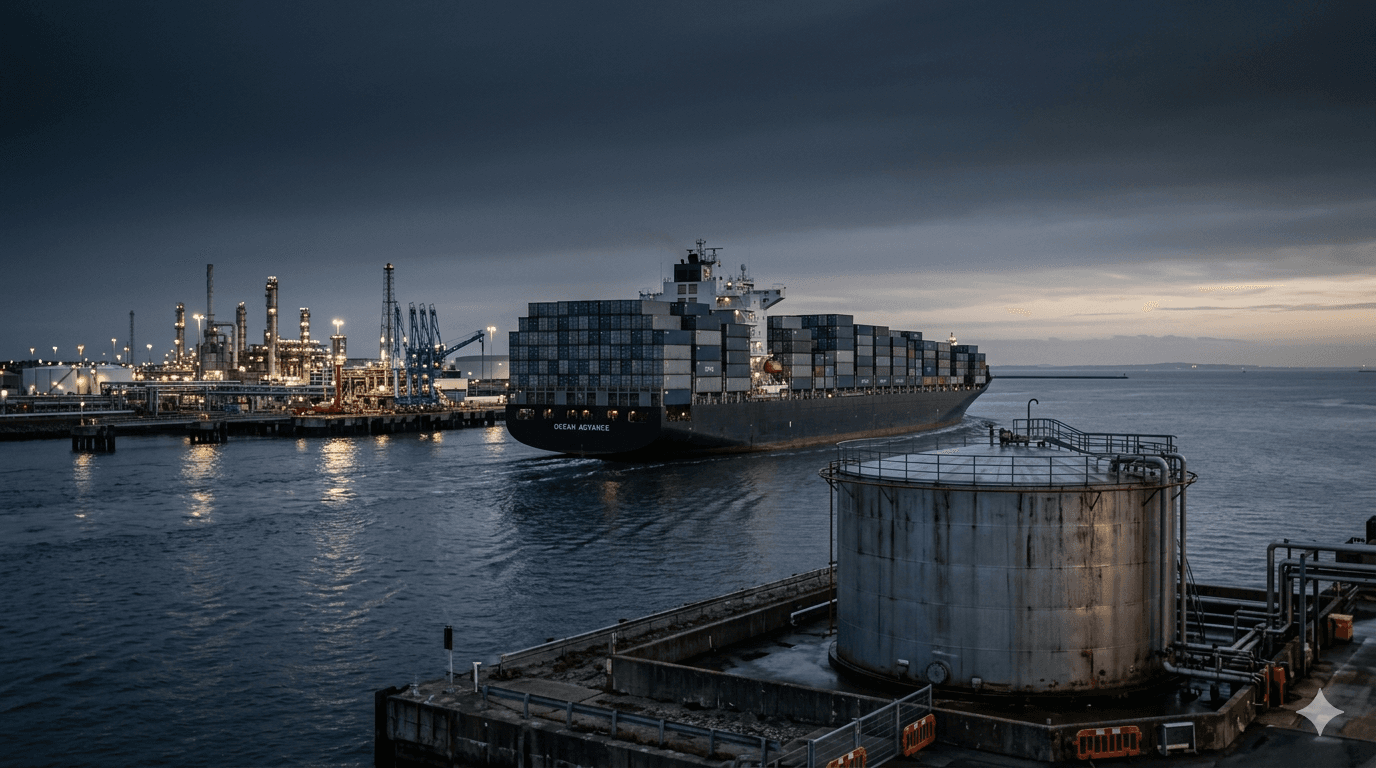
The top chemical exporters in 2026 look very different after the Hormuz disruption. New trade leaders have emerged while buyers rethink sourcing strategies and supplier diversification. Procurement teams now face a rapidly changing export landscape.
ASEAN chemical markets are responding differently to supply disruptions, creating new opportunities across Malaysia, Indonesia, Vietnam, and Thailand.
We're committed to your privacy. Tradeasia uses the information you provide to us to contact you about our relevant content, products, and services. For more information, check out our privacy policy.