
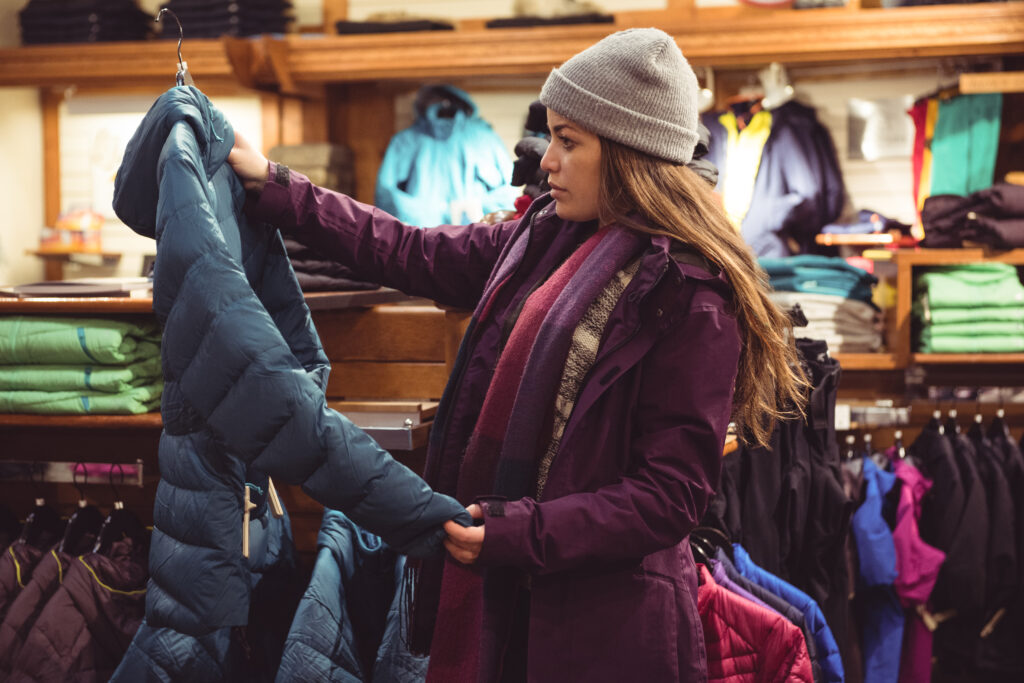
 Per- and polyfluoroalkyl substances, or PFAS, is an umbrella word for a family of thousands of compounds valued for their indestructibility and non-stick qualities. At the last count, there were roughly 12,000 different types of PFAS. For years, clothing manufacturers have used PFAS, often known as "forever chemicals," to create raincoats, boots, backpacks, and other products that are water- and stain-resistant. Almost 50% of all PFAS are used globally in the textile industry. The ability of PFAS to repel water and oil allows textile makers to create textiles that are waterproof and stain-resistant. As a result, PFAS are frequently utilized in outdoor clothing and accessories (e.g., waterproof shoes, jackets, backpacks, tents).
Yet, a rising amount of evidence indicates that the environment and human health are both negatively impacted by these chemicals.
The PFAS ability to reject grease and water as well as their high mobility allow them to migrate into the environment after leaving their original products, for example, by sliding out of abandoned landfills. This is unfortunate because many PFAS also have a tendency to bioaccumulate, which means they are taken up by living things more quickly than they can be eliminated and hence accumulate over time. PFAS have the potential to be harmful to both people and animals. PFOA and PFOS, two of the most researched members of this family of chemicals, have been associated with lowered immunological responses in children following vaccination.
Although the major transition away from PFAS in textiles is already in motion, the earliest state prohibitions won't go into effect until 2025. Businesses are currently vying to remove them from clothing before state-level restrictions go into effect over the next few years.
Until the regulations are made, consumers are left to determine for themselves whether the products they currently own or wish to purchase contain PFAS.
As stated by Danielle Melgar, from Public Interest Research Groups, as there are no labeling regulations for PFAS, businesses can essentially say whatever they want, and many times this results in purposefully false labeling. The advocates from the Natural Resources Defense Council and Fashion FWD report that even though there are some PFAS labels, some of them may be inaccurate or misleading. For instance, watch out for labels that state that a piece of clothing is devoid of a particular PFAS chemical, such as PFOA- or PFOS-free clothing, as this could indicate the use of other kinds of PFAS.
As posited in an article by Zahra Hijri, a Bloomberg writer, according to the research work, even the designation "PFC-free" may be deceptive if businesses merely use PFC to refer to a portion of PFAS compounds rather than all of them. Activists advise customers to inquire with the manufacturer if a product includes PFAs, particularly so-called PFAS polymers, regardless of the label.
Although a few brands have spearheaded the move away from PFAS, such as the PFC-Free label used by Jack Wolfskin, Vaude Sport, and Haglofs, consumers will still need to wait until more stringent laws make PFAS-free solutions more widely available for many more brands. Many advocates have spoken against this challenge for consumers to identify the PFAS-free products. Avinash Kar from the Natural Resources Defense Council states that instead of consumers buying their way out of the problem, passing PFAS labeling rules helps ensure that the things people purchase are not damaging to them or the environment, which is something the manufacturers should be making sure of.
References:
Hirji, Zahra. 2023. Navigating the Wild West of PFAS Labeling on Clothing. Retrieved from https://www.bloomberg.com/news/articles/2023-02-09/is-your-raincoat-made-with-pfas-it-may-be-hard-to-find-out?leadSource=uverify%20wall
Salvidge Rachel & Leana, Hosea. 2023. What are PFAS, how toxic are they and how do you become exposed? Retrieved from https://www.theguardian.com/environment/2023/feb/23/what-are-pfas-forever-chemicals-how-toxic-are-they-and-how-do-you-become-exposed
Straková, J., Grechko, V., Brosché, S., Karlsson, T., Buonsante, V. PFAS in Clothing: Study in Indonesia, China, and Russia Shows Barriers for Non-toxic Circular Economy. International Pollutants Elimination Network (IPEN), February 2022.
Photo by wavebreakmedia_micro via https://www.freepik.com/
Per- and polyfluoroalkyl substances, or PFAS, is an umbrella word for a family of thousands of compounds valued for their indestructibility and non-stick qualities. At the last count, there were roughly 12,000 different types of PFAS. For years, clothing manufacturers have used PFAS, often known as "forever chemicals," to create raincoats, boots, backpacks, and other products that are water- and stain-resistant. Almost 50% of all PFAS are used globally in the textile industry. The ability of PFAS to repel water and oil allows textile makers to create textiles that are waterproof and stain-resistant. As a result, PFAS are frequently utilized in outdoor clothing and accessories (e.g., waterproof shoes, jackets, backpacks, tents).
Yet, a rising amount of evidence indicates that the environment and human health are both negatively impacted by these chemicals.
The PFAS ability to reject grease and water as well as their high mobility allow them to migrate into the environment after leaving their original products, for example, by sliding out of abandoned landfills. This is unfortunate because many PFAS also have a tendency to bioaccumulate, which means they are taken up by living things more quickly than they can be eliminated and hence accumulate over time. PFAS have the potential to be harmful to both people and animals. PFOA and PFOS, two of the most researched members of this family of chemicals, have been associated with lowered immunological responses in children following vaccination.
Although the major transition away from PFAS in textiles is already in motion, the earliest state prohibitions won't go into effect until 2025. Businesses are currently vying to remove them from clothing before state-level restrictions go into effect over the next few years.
Until the regulations are made, consumers are left to determine for themselves whether the products they currently own or wish to purchase contain PFAS.
As stated by Danielle Melgar, from Public Interest Research Groups, as there are no labeling regulations for PFAS, businesses can essentially say whatever they want, and many times this results in purposefully false labeling. The advocates from the Natural Resources Defense Council and Fashion FWD report that even though there are some PFAS labels, some of them may be inaccurate or misleading. For instance, watch out for labels that state that a piece of clothing is devoid of a particular PFAS chemical, such as PFOA- or PFOS-free clothing, as this could indicate the use of other kinds of PFAS.
As posited in an article by Zahra Hijri, a Bloomberg writer, according to the research work, even the designation "PFC-free" may be deceptive if businesses merely use PFC to refer to a portion of PFAS compounds rather than all of them. Activists advise customers to inquire with the manufacturer if a product includes PFAs, particularly so-called PFAS polymers, regardless of the label.
Although a few brands have spearheaded the move away from PFAS, such as the PFC-Free label used by Jack Wolfskin, Vaude Sport, and Haglofs, consumers will still need to wait until more stringent laws make PFAS-free solutions more widely available for many more brands. Many advocates have spoken against this challenge for consumers to identify the PFAS-free products. Avinash Kar from the Natural Resources Defense Council states that instead of consumers buying their way out of the problem, passing PFAS labeling rules helps ensure that the things people purchase are not damaging to them or the environment, which is something the manufacturers should be making sure of.
References:
Hirji, Zahra. 2023. Navigating the Wild West of PFAS Labeling on Clothing. Retrieved from https://www.bloomberg.com/news/articles/2023-02-09/is-your-raincoat-made-with-pfas-it-may-be-hard-to-find-out?leadSource=uverify%20wall
Salvidge Rachel & Leana, Hosea. 2023. What are PFAS, how toxic are they and how do you become exposed? Retrieved from https://www.theguardian.com/environment/2023/feb/23/what-are-pfas-forever-chemicals-how-toxic-are-they-and-how-do-you-become-exposed
Straková, J., Grechko, V., Brosché, S., Karlsson, T., Buonsante, V. PFAS in Clothing: Study in Indonesia, China, and Russia Shows Barriers for Non-toxic Circular Economy. International Pollutants Elimination Network (IPEN), February 2022.
Photo by wavebreakmedia_micro via https://www.freepik.com/Identifying PFAS in Clothing Labels is an Ongoing Challenge
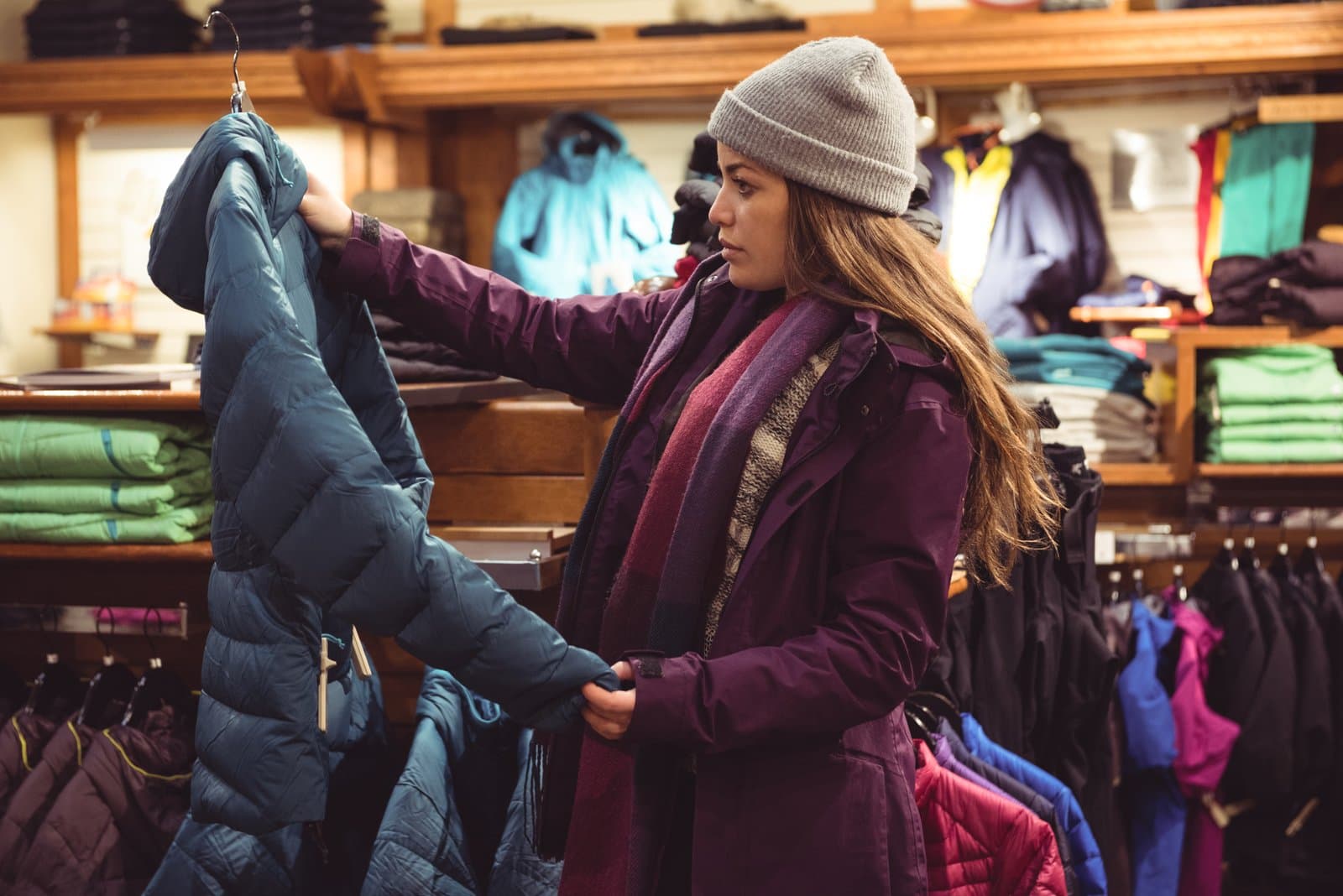 Per- and polyfluoroalkyl substances, or PFAS, is an umbrella word for a family of thousands of compounds valued for their indestructibility and non-stick qualities. At the last count, there were roughly 12,000 different types of PFAS. For years, clothing manufacturers have used PFAS, often known as "forever chemicals," to create raincoats, boots, backpacks, and other products that are water- and stain-resistant. Almost 50% of all PFAS are used globally in the textile industry. The ability of PFAS to repel water and oil allows textile makers to create textiles that are waterproof and stain-resistant. As a result, PFAS are frequently utilized in outdoor clothing and accessories (e.g., waterproof shoes, jackets, backpacks, tents).
Yet, a rising amount of evidence indicates that the environment and human health are both negatively impacted by these chemicals.
The PFAS ability to reject grease and water as well as their high mobility allow them to migrate into the environment after leaving their original products, for example, by sliding out of abandoned landfills. This is unfortunate because many PFAS also have a tendency to bioaccumulate, which means they are taken up by living things more quickly than they can be eliminated and hence accumulate over time. PFAS have the potential to be harmful to both people and animals. PFOA and PFOS, two of the most researched members of this family of chemicals, have been associated with lowered immunological responses in children following vaccination.
Although the major transition away from PFAS in textiles is already in motion, the earliest state prohibitions won't go into effect until 2025. Businesses are currently vying to remove them from clothing before state-level restrictions go into effect over the next few years.
Until the regulations are made, consumers are left to determine for themselves whether the products they currently own or wish to purchase contain PFAS.
As stated by Danielle Melgar, from Public Interest Research Groups, as there are no labeling regulations for PFAS, businesses can essentially say whatever they want, and many times this results in purposefully false labeling. The advocates from the Natural Resources Defense Council and Fashion FWD report that even though there are some PFAS labels, some of them may be inaccurate or misleading. For instance, watch out for labels that state that a piece of clothing is devoid of a particular PFAS chemical, such as PFOA- or PFOS-free clothing, as this could indicate the use of other kinds of PFAS.
As posited in an article by Zahra Hijri, a Bloomberg writer, according to the research work, even the designation "PFC-free" may be deceptive if businesses merely use PFC to refer to a portion of PFAS compounds rather than all of them. Activists advise customers to inquire with the manufacturer if a product includes PFAs, particularly so-called PFAS polymers, regardless of the label.
Although a few brands have spearheaded the move away from PFAS, such as the PFC-Free label used by Jack Wolfskin, Vaude Sport, and Haglofs, consumers will still need to wait until more stringent laws make PFAS-free solutions more widely available for many more brands. Many advocates have spoken against this challenge for consumers to identify the PFAS-free products. Avinash Kar from the Natural Resources Defense Council states that instead of consumers buying their way out of the problem, passing PFAS labeling rules helps ensure that the things people purchase are not damaging to them or the environment, which is something the manufacturers should be making sure of.
References:
Hirji, Zahra. 2023. Navigating the Wild West of PFAS Labeling on Clothing. Retrieved from https://www.bloomberg.com/news/articles/2023-02-09/is-your-raincoat-made-with-pfas-it-may-be-hard-to-find-out?leadSource=uverify%20wall
Salvidge Rachel & Leana, Hosea. 2023. What are PFAS, how toxic are they and how do you become exposed? Retrieved from https://www.theguardian.com/environment/2023/feb/23/what-are-pfas-forever-chemicals-how-toxic-are-they-and-how-do-you-become-exposed
Straková, J., Grechko, V., Brosché, S., Karlsson, T., Buonsante, V. PFAS in Clothing: Study in Indonesia, China, and Russia Shows Barriers for Non-toxic Circular Economy. International Pollutants Elimination Network (IPEN), February 2022.
Photo by wavebreakmedia_micro via https://www.freepik.com/
Per- and polyfluoroalkyl substances, or PFAS, is an umbrella word for a family of thousands of compounds valued for their indestructibility and non-stick qualities. At the last count, there were roughly 12,000 different types of PFAS. For years, clothing manufacturers have used PFAS, often known as "forever chemicals," to create raincoats, boots, backpacks, and other products that are water- and stain-resistant. Almost 50% of all PFAS are used globally in the textile industry. The ability of PFAS to repel water and oil allows textile makers to create textiles that are waterproof and stain-resistant. As a result, PFAS are frequently utilized in outdoor clothing and accessories (e.g., waterproof shoes, jackets, backpacks, tents).
Yet, a rising amount of evidence indicates that the environment and human health are both negatively impacted by these chemicals.
The PFAS ability to reject grease and water as well as their high mobility allow them to migrate into the environment after leaving their original products, for example, by sliding out of abandoned landfills. This is unfortunate because many PFAS also have a tendency to bioaccumulate, which means they are taken up by living things more quickly than they can be eliminated and hence accumulate over time. PFAS have the potential to be harmful to both people and animals. PFOA and PFOS, two of the most researched members of this family of chemicals, have been associated with lowered immunological responses in children following vaccination.
Although the major transition away from PFAS in textiles is already in motion, the earliest state prohibitions won't go into effect until 2025. Businesses are currently vying to remove them from clothing before state-level restrictions go into effect over the next few years.
Until the regulations are made, consumers are left to determine for themselves whether the products they currently own or wish to purchase contain PFAS.
As stated by Danielle Melgar, from Public Interest Research Groups, as there are no labeling regulations for PFAS, businesses can essentially say whatever they want, and many times this results in purposefully false labeling. The advocates from the Natural Resources Defense Council and Fashion FWD report that even though there are some PFAS labels, some of them may be inaccurate or misleading. For instance, watch out for labels that state that a piece of clothing is devoid of a particular PFAS chemical, such as PFOA- or PFOS-free clothing, as this could indicate the use of other kinds of PFAS.
As posited in an article by Zahra Hijri, a Bloomberg writer, according to the research work, even the designation "PFC-free" may be deceptive if businesses merely use PFC to refer to a portion of PFAS compounds rather than all of them. Activists advise customers to inquire with the manufacturer if a product includes PFAs, particularly so-called PFAS polymers, regardless of the label.
Although a few brands have spearheaded the move away from PFAS, such as the PFC-Free label used by Jack Wolfskin, Vaude Sport, and Haglofs, consumers will still need to wait until more stringent laws make PFAS-free solutions more widely available for many more brands. Many advocates have spoken against this challenge for consumers to identify the PFAS-free products. Avinash Kar from the Natural Resources Defense Council states that instead of consumers buying their way out of the problem, passing PFAS labeling rules helps ensure that the things people purchase are not damaging to them or the environment, which is something the manufacturers should be making sure of.
References:
Hirji, Zahra. 2023. Navigating the Wild West of PFAS Labeling on Clothing. Retrieved from https://www.bloomberg.com/news/articles/2023-02-09/is-your-raincoat-made-with-pfas-it-may-be-hard-to-find-out?leadSource=uverify%20wall
Salvidge Rachel & Leana, Hosea. 2023. What are PFAS, how toxic are they and how do you become exposed? Retrieved from https://www.theguardian.com/environment/2023/feb/23/what-are-pfas-forever-chemicals-how-toxic-are-they-and-how-do-you-become-exposed
Straková, J., Grechko, V., Brosché, S., Karlsson, T., Buonsante, V. PFAS in Clothing: Study in Indonesia, China, and Russia Shows Barriers for Non-toxic Circular Economy. International Pollutants Elimination Network (IPEN), February 2022.
Photo by wavebreakmedia_micro via https://www.freepik.com/Related Insights

Going Green with Snack Bags: Moving Beyond Plastic Packaging
The UN Environment Programme estimates that each year, humans produce roughly 400 million tons of plastic garbage. Half of that is single-use plastic, such as potato chip bags. A moisture barrier (often biaxially oriented polypropylene) is placed inside most bags for potato chips and other crunchy

Apple’s Regulated Substances Specification: Setting the Standard for Specialty Chemicals
Apple’s Regulated Substances Specification is reshaping how specialty chemical suppliers design and certify products. By establishing strict limits on hazardous substances, it drives safer, more sustainable materials across the electronics supply chain. Companies that meet Apple’s standards demonstrate leadership in chemical compliance and product stewardship.
Understanding the PFAS Regulatory Rollback Debate: The Arguments on Both Sides
The debate over the EPA's proposed PFAS regulatory changes has intensified ahead of the July 7 public hearing. This article explains the perspectives of regulators, environmental organizations and water utilities to help procurement professionals understand the policy discussion and its potential impact.

EU REACH SVHC July 2026 Update: Expected Substances and Procurement Implications
The upcoming ECHA SVHC update under EU REACH is expected between July and August 2026, with potential additions affecting flame retardants, phthalates and organotin compounds. Chemical buyers should prepare supplier declarations and compliance updates before the July 31 deadline window closes.

India Petrochemical Import Duty Waiver Ends: What Buyers Need to Know After June 30
India’s zero-duty petrochemical import window reaches its deadline as manufacturers prepare for possible cost changes. This update explains how the duty waiver expiry may affect chemical sourcing, landed costs and procurement strategies.

PFAS July 7 Hearing Countdown: Key Insights for Food Chemical Buyers Ahead of H2 2026
The EPA’s July 7 PFAS hearings will shape the regulatory landscape for the food industry. Chemical buyers must understand how differing US and EU rules influence H2 2026 sourcing of key ingredients such as citric acid, sucralose, and corn starch. Early action can secure supply and compliance.
Don't miss out on our updates! Subscribe to our newsletter now
We're committed to your privacy. Tradeasia uses the information you provide to us to contact you about our relevant content, products, and services. For more information, check out our privacy policy.