

Related Insights
Ceasefire Collapse Reopens Hormuz Shipping Crisis, Threatening Global Supply Chains
The sudden end of a regional ceasefire has formally reopened the Hormuz shipping crisis, କ re‑igniting fears of major disruptions in the Strait of Hormuz. This development threatens to ripple through chemical logistics, tanker operations, freight rates, and global supply chains, especially in the fertilizer sector.

Tungsten and Trace Metals in Food Processing Equipment: An Overlooked Supply Risk
Tungsten, a critical trace metal used in tungsten carbide tools, is central to the durability of food processing and packaging equipment. Recent export restrictions threaten to elevate maintenance costs, disrupt production schedules, and compromise long‑term ingredient supply chains. Understanding this hidden risk is essential for manufacturers and policymakers alike.

UK Joins Hormuz Escort Coalition to Secure Gulf Chemical Trade
The UK’s entry into the Hormuz escort coalition is set to slash war‑risk insurance costs and strengthen supply chains for Gulf‑origin chemical imports in H2 2026. By bolstering maritime security, Britain can ensure safer, more reliable logistics for its critical chemical sector.

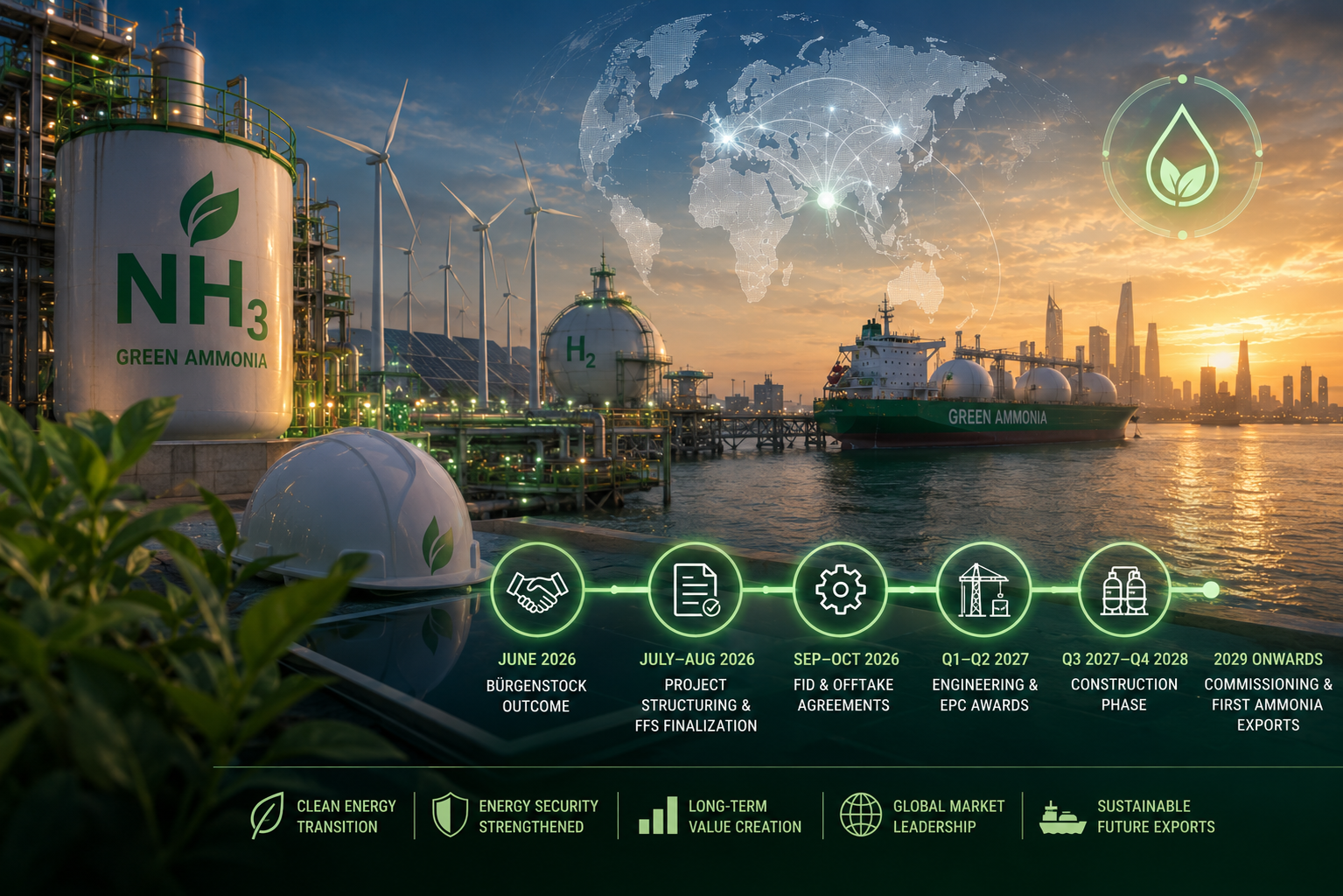
Ammonia Export Restart: Bürgenstock Roadmap Positions QAFCO and SABIC for Q3
The Bürgenstock roadmap and recent Hormuz transit data signal a clear path for QAFCO and SABIC to resume ammonia exports in Q3 2026. While force majeure conditions may lift in July, mine clearance delays could postpone full tanker capacity until August. Agricultural and industrial buyers should prepare for an improved but staggered supply outlook.

Naphtha and Aromatics: Japan's Cracker Restart Decision Point for Q3 2026 Procurement
Japan's steam cracker sector has reached a critical decision point as naphtha supplies improve after months of disruption. Procurement teams, aromatics buyers and petrochemical traders should closely monitor Q3 operating plans because they will shape regional supply, pricing and contract negotiations across Asia.
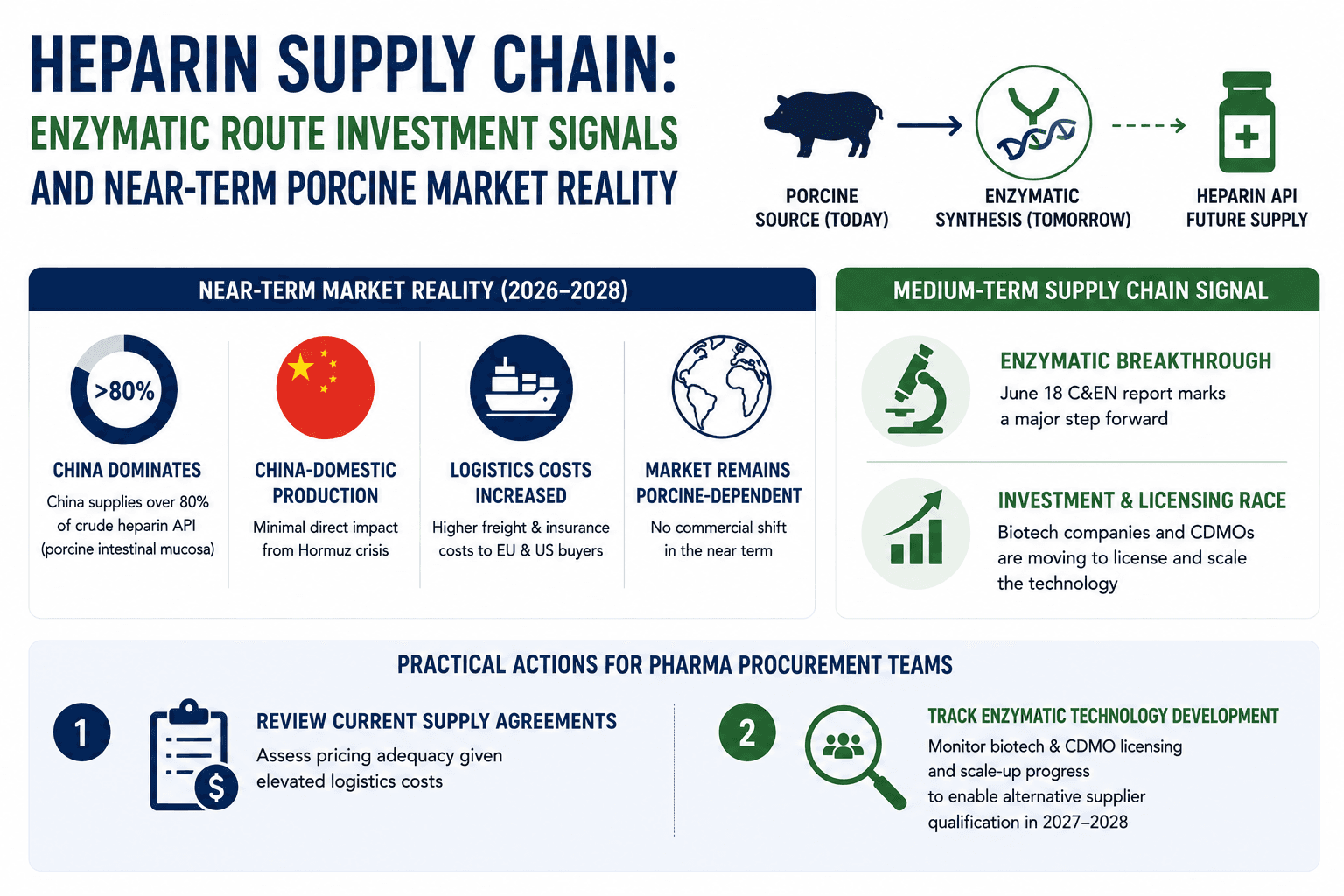
Heparin Supply Chain: Enzymatic Route Investment Signals and Near-Term Porcine Market Reality
Heparin supply remains dominated by Chinese porcine raw materials despite new enzymatic synthesis breakthroughs. Buyers should manage near-term logistics cost exposure while tracking alternative route scale-up for 2027–2028.
Don't miss out on our updates! Subscribe to our newsletter now
We're committed to your privacy. Tradeasia uses the information you provide to us to contact you about our relevant content, products, and services. For more information, check out our privacy policy.