
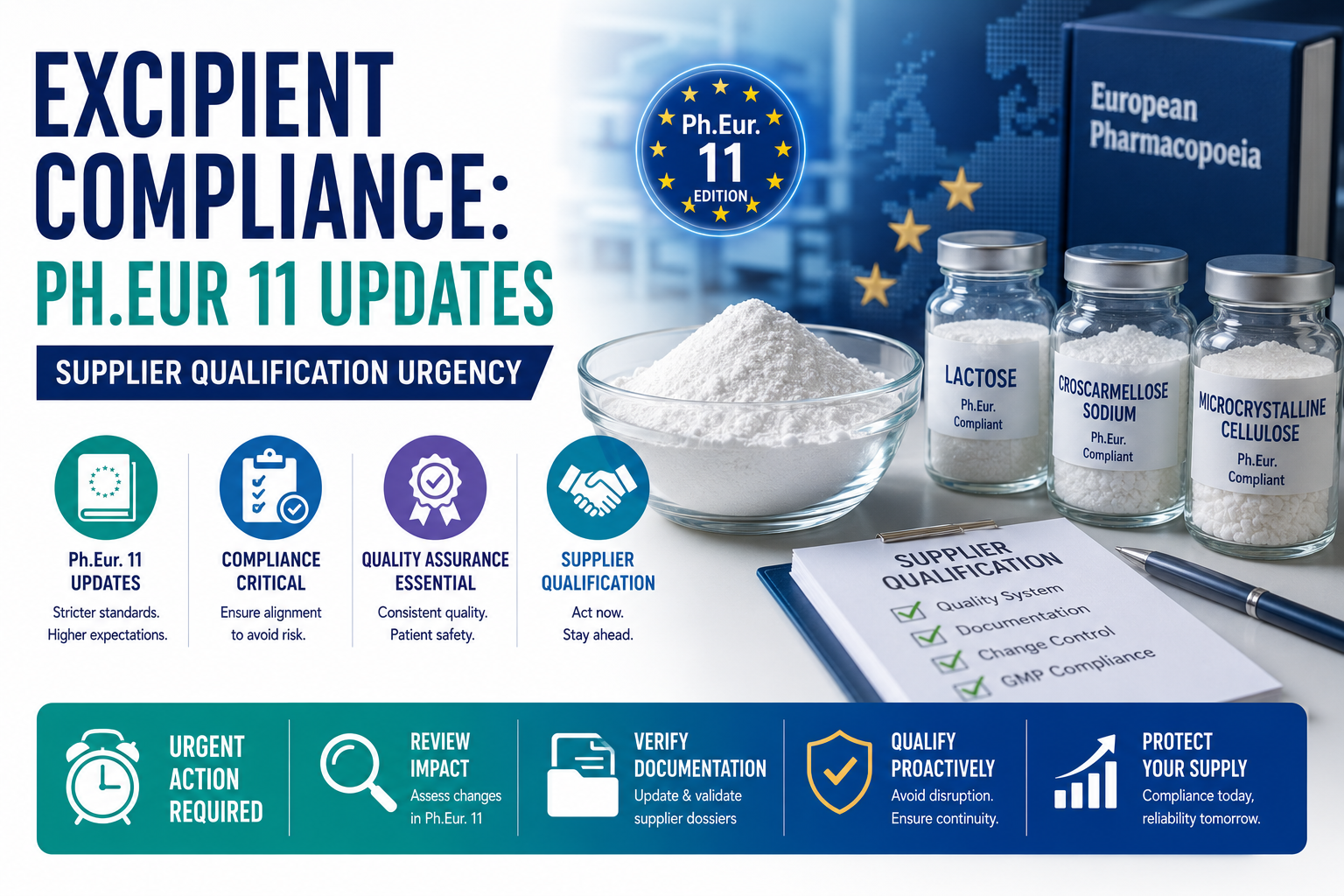
Boric Acid (99.9% Granular) - Peru CAS: 10043-35-3
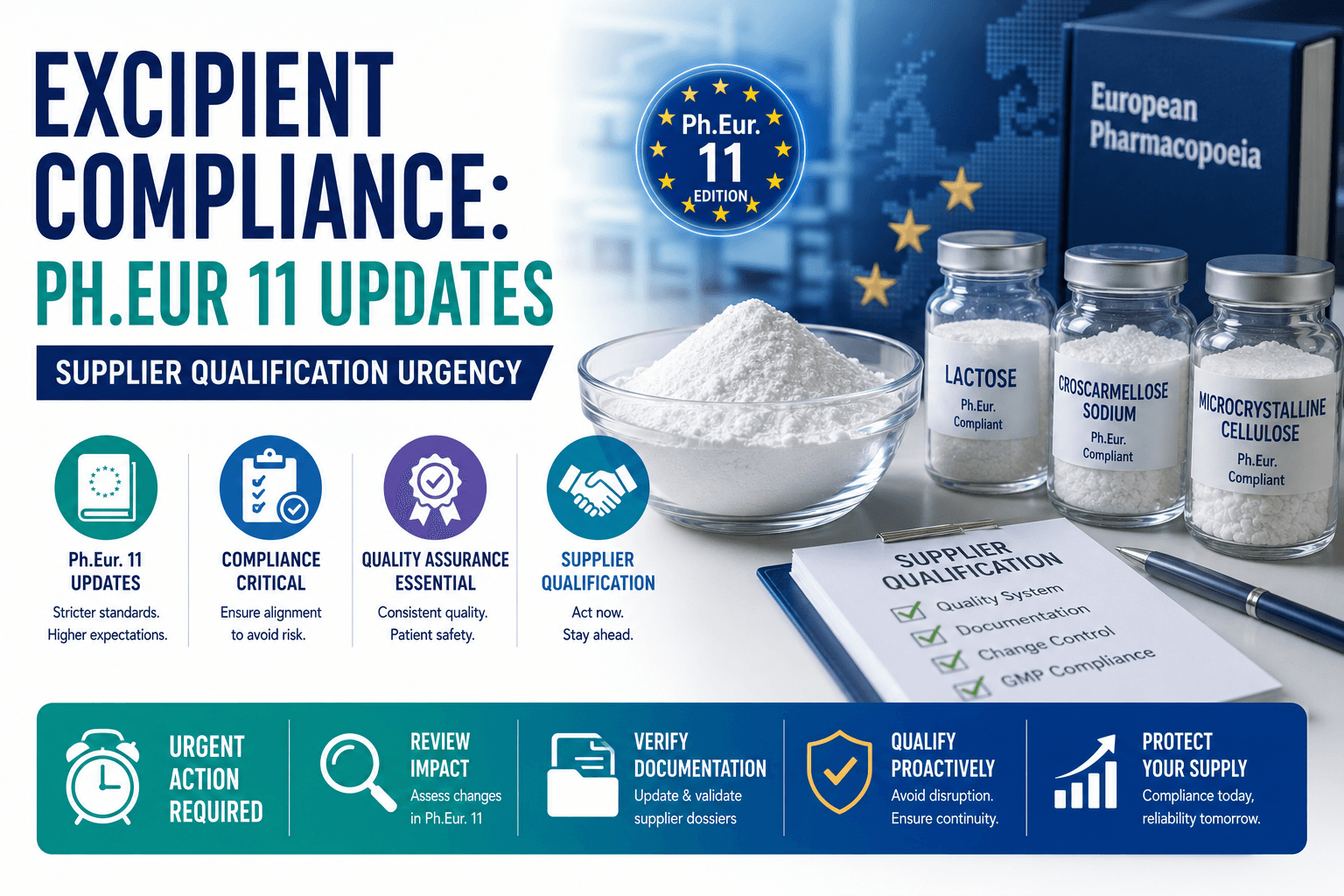
Boric Acid (99.9% Granular) - Peru CAS: 10043-35-3
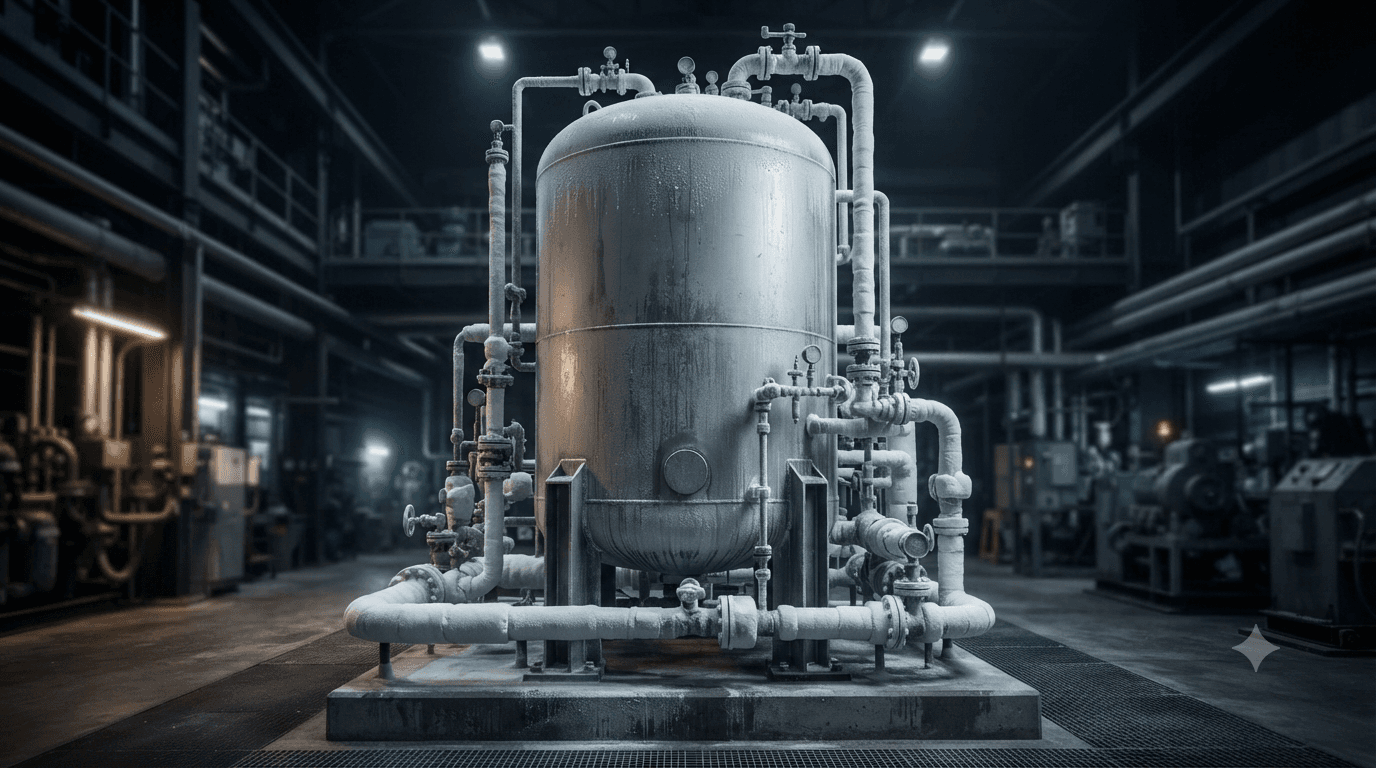
Damage at Qatar's Ras Laffan Industrial City could reshape the pharmaceutical helium market for years. Procurement teams should prepare for tighter supply, higher sourcing risks and changing global trade patterns.

The 2026 Hormuz crisis transformed chemical procurement into an intelligence-driven function. Platforms like ICIS, Kpler, Xeneta, and ChemAnalyst are now essential tools helping procurement teams track prices, shipping disruption, freight rates, and supply risk in real time.

The global MSG market enters a critical procurement period as major Chinese producers prepare their second half of 2026 pricing. Freight costs have eased, feedstock conditions remain favorable and buyers have a limited window to secure competitive contracts before new price schedules take effect.

The 2026 Hormuz crisis exposed structural weaknesses in global chemical supply chains. The lessons learned should now be translated into permanent procurement policies that strengthen resilience long after the crisis ends.
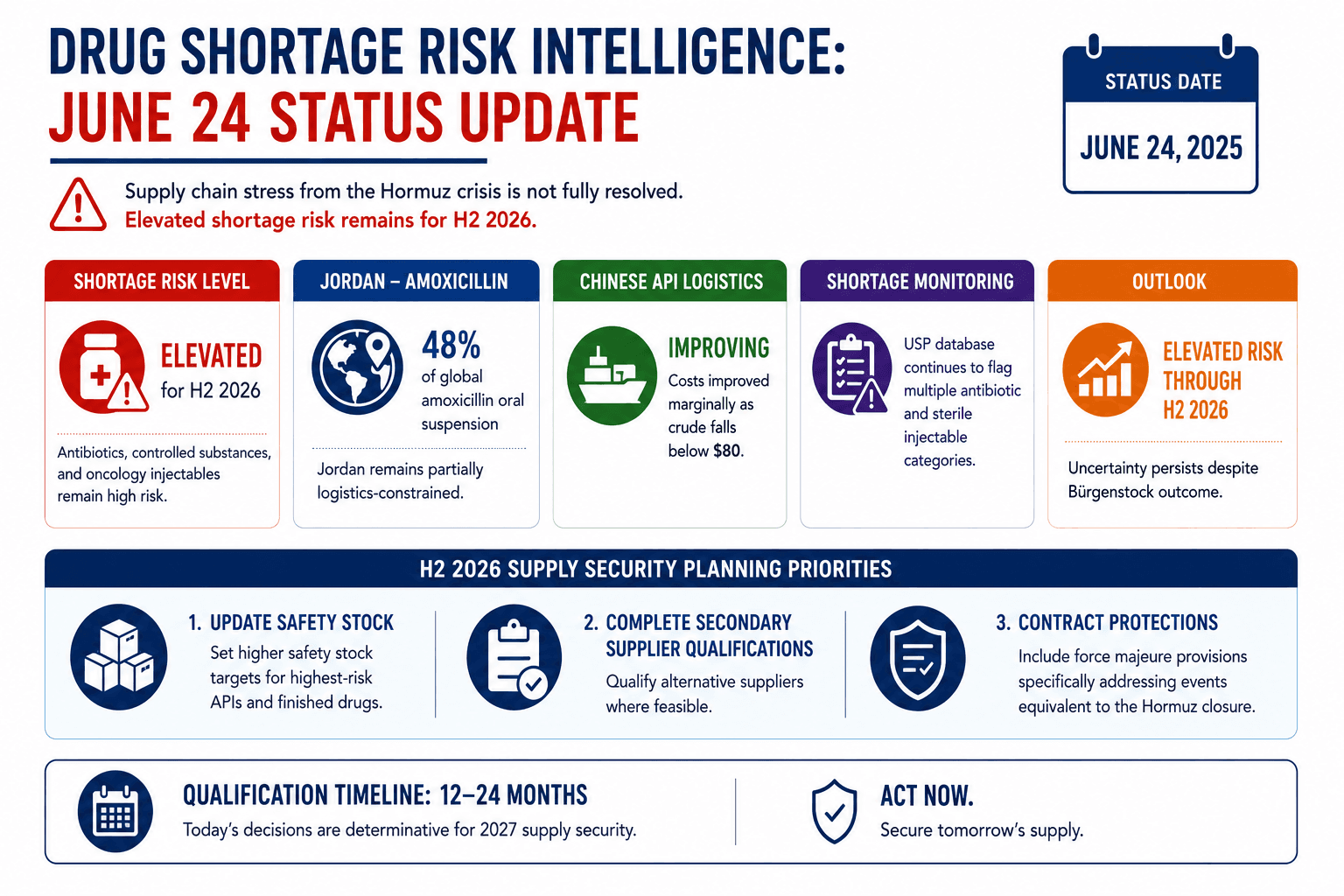
Drug shortage risk remains elevated in H2 2026 despite easing Hormuz tensions. Pharmaceutical procurement teams should prioritize safety stock updates, secondary supplier qualification, and stronger force majeure protections to secure supply continuity into 2027.
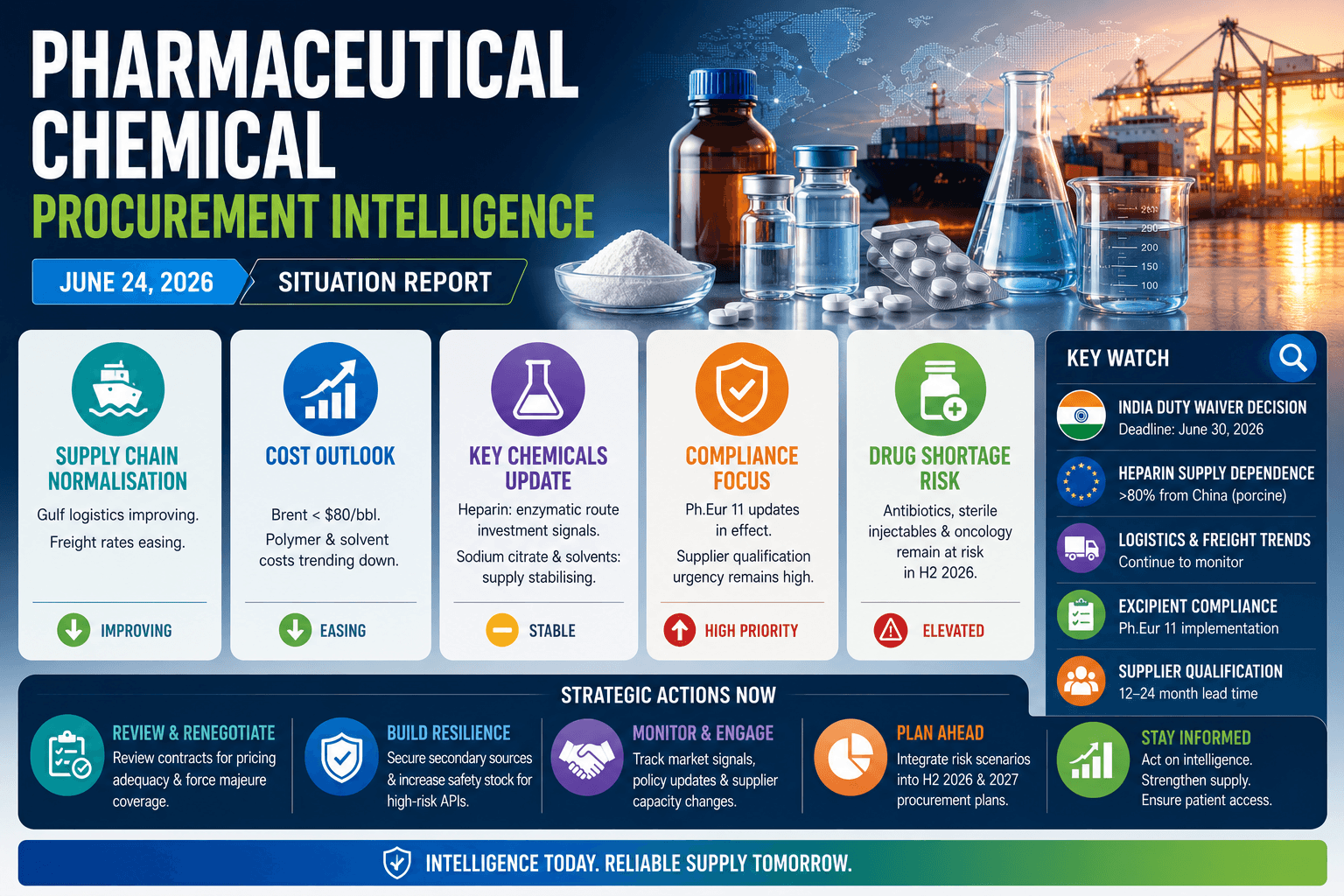
Pharmaceutical procurement teams face an unusually complex H2 2026 environment shaped by GLP-1 manufacturing demand, excipient compliance changes, freight cost shifts, regulatory deadlines, and elevated drug shortage risk across critical therapeutic categories.
We're committed to your privacy. Tradeasia uses the information you provide to us to contact you about our relevant content, products, and services. For more information, check out our privacy policy.