
Related Insights
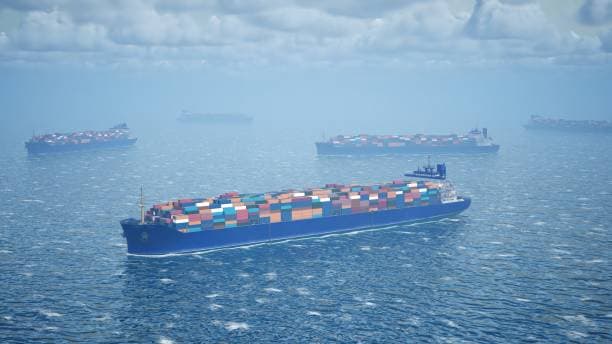
6,000 Seafarers Stranded as Hormuz Traffic Drops, Fueling Shipping Crisis
Approximately 6,000 seafarers are trapped in the Gulf as vessel movements through the Strait of Hormuz fall below normal levels. This bottleneck is not only an operational headache for shipping lines but also a humanitarian crisis and a threat to the chemical supply chain that fuels global commerce. The article explores the ripple effects across maritime logistics, crew welfare, and chemical transport.
Iranian Sanctions and Chemical Trade Compliance: What the July 10 Sanctions Round Means for Global Chemical Supply Chains
The latest US sanctions targeting Iranian financial networks introduce fresh compliance obligations for chemical traders, importers and exporters. Procurement and trade compliance teams should immediately review supplier, logistics and banking relationships to reduce sanctions exposure.

Acrylonitrile-Butadiene-Styrene (ABS): Why the Three-Monomer Chain Creates Unique Supply Risk
ABS resin requires three separate monomers acrylonitrile , butadiene, and styrene
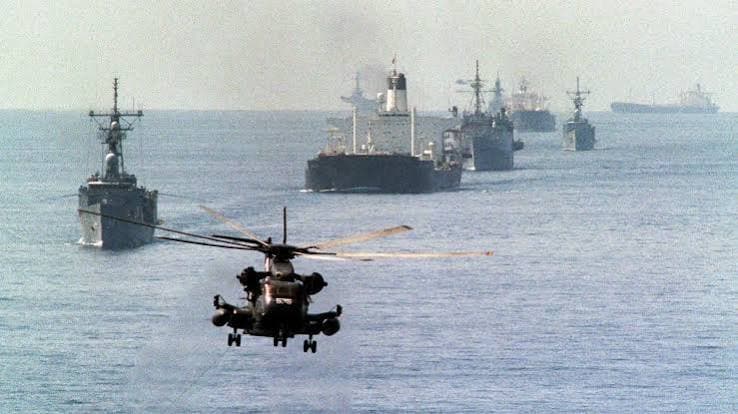
War Risk Insurance: Convoy Coverage Update and the P&I Club Reassessment Window
The introduction of escorted convoy operations is reshaping the marine insurance landscape. As P&I clubs begin their quarterly underwriting reviews, chemical shippers are watching closely for potential changes to Hormuz war risk coverage and premium structures.

Red Sea Update: Suez Canal Traffic at 49% and the Double Corridor Implication
The Red Sea shipping crisis remains one of the defining structural constraints on global chemical logistics. Even as Gulf shipping gradually recovers, Asia–Europe freight cannot return to pre-crisis economics while the Red Sea remains an active security concern.
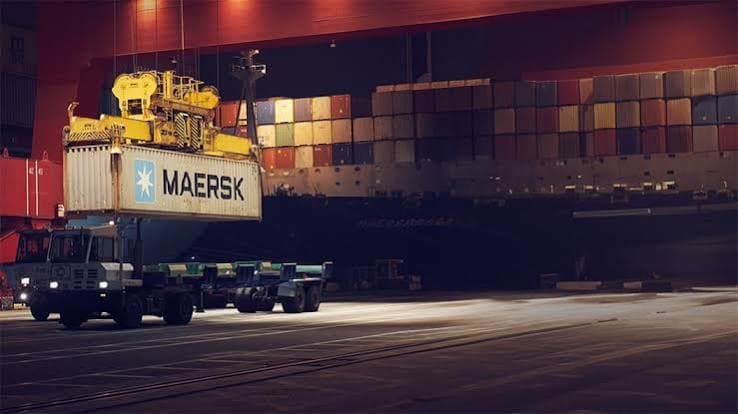
Cape of Good Hope July Cost Update: What the Brent-Linked Bunker Reset Means for Chemical Shippers
The July bunker adjustment factor reset marks the first meaningful freight cost relief since the Hormuz crisis began. While lower Brent crude is reducing carrier fuel surcharges, Cape of Good Hope routing remains the operational standard, meaning logistics costs are improving rather than returning to pre-crisis levels.
Don't miss out on our updates! Subscribe to our newsletter now
We're committed to your privacy. Tradeasia uses the information you provide to us to contact you about our relevant content, products, and services. For more information, check out our privacy policy.