
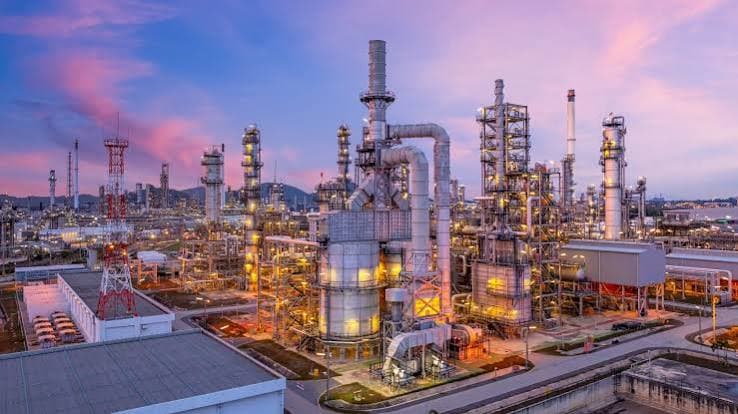
Europe's chemical industry closes H1 2026 in a stronger commodity environment than it experienced just a few months ago, yet many of its most significant challenges remain unresolved. While Brent crude has stabilised around $74 per barrel, providing the first meaningful reduction in feedstock costs since February, lower oil prices alone cannot reverse the structural pressures that have reshaped European manufacturing over recent years.
For procurement professionals, the key lesson from the first half of 2026 is clear. Temporary improvements in commodity pricing should not be confused with lasting improvements in industrial competitiveness. Europe's chemical sector continues operating under structural constraints that extend well beyond crude oil markets.
H1 2026 Delivered Exceptional Market Volatility
The first half of 2026 proved exceptionally volatile for European chemical markets.
According to ICIS market analysis, European chemical prices recorded their highest cumulative deviation from annual average prices in nearly two decades. Rapid changes in feedstock costs, freight conditions and geopolitical developments created an unusually challenging procurement environment for buyers and distributors.
Rather than responding to traditional seasonal demand cycles, many chemical markets reacted to supply uncertainty, shipping disruptions and shifting global trade flows.
This volatility forced procurement teams to place greater emphasis on inventory planning and supplier diversification than on short-term price optimisation.
Lower Brent Brings Welcome Cost Relief
The stabilisation of Brent crude represents one of the most positive developments heading into H2 2026.
Lower crude prices reduce costs across large sections of the petrochemical value chain, supporting improved economics for producers manufacturing polymers, solvents and numerous downstream chemical products.
Several immediate benefits are emerging:
Lower feedstock costs for integrated petrochemical producers.
Improved pricing stability across commodity chemicals.
Reduced pressure on manufacturing margins.
Better planning visibility for procurement teams.
Although these developments improve operating conditions, they should be viewed primarily as cyclical benefits rather than structural improvements.
Europe's Energy Cost Disadvantage Remains
Despite easing crude prices, Europe continues facing significantly higher industrial energy costs than many competing manufacturing regions.
Producers in China and the United States generally benefit from more competitive energy economics, allowing them to manufacture numerous chemical products at lower overall production costs.
This disadvantage affects multiple areas of competitiveness.
Higher utility expenses reduce operating margins, increase production costs and make it more difficult for European producers to compete with imported material during periods of weaker global demand.
For energy-intensive products such as ammonia, methanol derivatives and basic petrochemicals, these cost differences remain one of the industry's defining structural challenges.
Plant Closures Continue Reshaping the Industry
The European chemical industry has undergone significant capacity rationalisation over recent years.
Since 2022, cumulative plant closures have reportedly reached approximately 37 million tonnes of production capacity, reflecting prolonged economic pressure across several manufacturing segments.
These closures are more than isolated business decisions.
They indicate a broader restructuring of Europe's industrial base as companies reassess long-term investment decisions in response to energy costs, international competition and changing demand patterns.
For buyers, reduced domestic capacity increases the importance of international sourcing while also altering regional supply dynamics for several commodity chemicals.
Regulatory Complexity Continues Influencing Competitiveness
European producers continue operating within one of the world's most comprehensive regulatory environments.
Frameworks such as REACH and the Carbon Border Adjustment Mechanism (CBAM) remain central to long-term industrial policy while also increasing compliance requirements throughout the chemical supply chain.
For manufacturers and distributors, these regulations require ongoing investment in documentation, reporting and product stewardship.
Procurement teams should expect continued attention to:
Regulatory compliance throughout supplier qualification.
Carbon reporting requirements for imported products.
Product traceability and documentation.
Environmental performance across supply chains.
Although these measures support sustainability objectives, they also contribute to higher operating costs compared with many competing production regions.
Lower Crude Improves Conditions, Not Competitiveness
Brent crude stabilising near $74 per barrel creates a more favourable pricing environment for European manufacturers, but it does not fundamentally change the region's competitive position.
Lower feedstock costs help restore margins and improve production economics across many petrochemical value chains. However, these gains remain cyclical and can reverse if energy markets tighten again.
The structural issues affecting Europe's chemical sector continue to extend beyond crude oil prices.
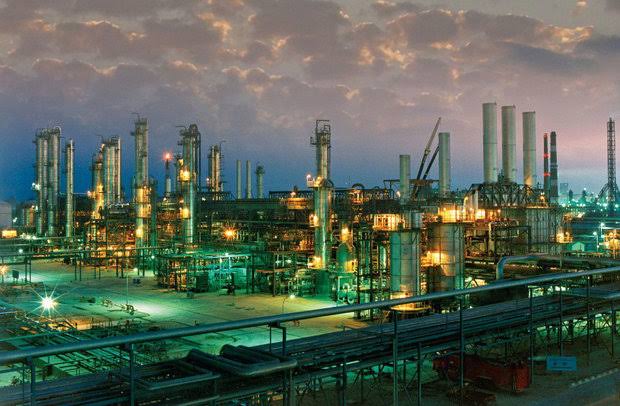
What European Buyers Should Prioritise in H2 2026
For procurement professionals, the second half of 2026 requires a balanced assessment of both market improvements and persistent structural risks.
Lower crude prices should create more stable pricing across several commodity chemicals, but buyers should avoid assuming that improved feedstock economics automatically translate into stronger regional supply security.
Priority actions include:
Continue diversifying supplier portfolios across Europe, the Middle East and Asia.
Monitor energy markets alongside crude prices, as electricity and natural gas remain significant cost drivers.
Review supplier capacity following recent plant closures to understand potential availability constraints.
Incorporate regulatory compliance into procurement planning, particularly for products affected by REACH and CBAM requirements.
Evaluate total landed cost rather than factory price alone, considering freight, compliance and energy-related pricing factors.
A disciplined sourcing strategy remains the most effective response to Europe's evolving industrial landscape.
International Competition Continues to Intensify
European producers enter H2 facing stronger competition from both established and expanding exporters.
China strengthened its export position during the Hormuz disruption by increasing shipments across several commodity and specialty chemical categories. Meanwhile, Gulf producers are gradually restoring production and export capacity, increasing competitive pressure across international markets.
This changing environment presents buyers with greater sourcing flexibility.
Several trends are becoming increasingly evident:
Chinese manufacturers continue strengthening their position in specialty chemicals and selected downstream products.
Gulf suppliers are steadily recovering market share in commodity petrochemicals as export infrastructure returns to normal operation.
Buyers are placing greater emphasis on supply resilience rather than relying exclusively on regional sourcing.
Global competition is improving pricing transparency across many commodity chemical markets.
European producers therefore compete not only against regional manufacturers but also against increasingly competitive international supply chains.
Supply Chain Reliability Will Depend on More Than Price
The first half of 2026 demonstrated that stable pricing alone does not guarantee reliable procurement.
Supply chain resilience increasingly depends on manufacturing capacity, logistics performance, regulatory compliance and supplier diversification.
Procurement teams should continue strengthening risk management by:
Building relationships with multiple qualified suppliers.
Monitoring production developments across key manufacturing regions.
Reviewing inventory strategies for strategically important raw materials.
Maintaining flexibility in purchasing contracts where market conditions remain uncertain.
Companies that integrate these practices into procurement planning will be better positioned to respond to future market disruptions.
Looking Ahead to H2 2026
Europe's chemical industry enters the second half of 2026 with improved feedstock economics but fundamentally unchanged structural challenges.
Lower Brent crude prices provide meaningful short-term relief for producers and buyers alike, improving manufacturing margins and supporting more stable commodity pricing. However, persistent energy cost disadvantages, cumulative production capacity reductions and ongoing regulatory complexity continue shaping the region's long-term competitiveness.
For procurement professionals, the key lesson from H1 is to distinguish between cyclical improvements and structural realities. Commodity markets may become more stable as global supply normalises, but Europe's industrial competitiveness will continue to depend on energy affordability, regulatory efficiency and investment in modern manufacturing capacity.
Buyers should therefore evaluate European sourcing using a long-term perspective that balances price, reliability, compliance and supply resilience rather than focusing solely on short-term commodity movements.
Ready to source petrochemicals from verified global suppliers? Explore competitive offers on our platform today.
Monoethylene glycol CAS: 107-21-1