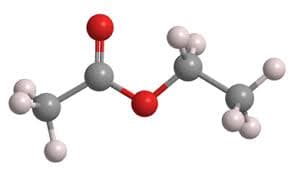
Ethyl acetate remains one of the most widely used solvents in global manufacturing. Its combination of strong solvency, relatively fast evaporation and broad industrial compatibility has made it a key ingredient in coatings, inks, adhesives, pharmaceuticals and food-related applications.
As 2026 progresses, procurement teams are navigating a market shaped by three major forces: the recovery of paints and coatings demand, China's dominant production position and evolving trade policy risks. At the same time, feedstock costs continue to influence pricing dynamics, particularly in regions closely linked to acetic acid and methanol markets.
Why Ethyl Acetate Is Essential Across Industries
Few solvents enjoy the level of market diversification seen in ethyl acetate.
Manufacturers value the product because it delivers effective performance across a wide range of industrial and consumer applications.
Major end-use sectors include:
Paints and coatings.
Printing inks.
Adhesives and sealants.
Pharmaceutical manufacturing.
Food flavorings and extracts.
Packaging applications.
This broad demand base helps support long-term consumption growth while reducing dependence on any single industry segment.
The Paints and Coatings Sector Remains the Key Demand Driver
The largest demand catalyst for ethyl acetate continues to be the paints and coatings industry.
Market participants throughout 2025 closely monitored the traditional coatings season in anticipation of stronger solvent consumption. Industry reports indicated that buyers and suppliers were expecting improved coatings activity to stimulate demand for ethyl acetate and related solvents.
Several factors support this outlook:
Infrastructure investment.
Construction activity.
Automotive manufacturing.
Industrial maintenance spending.
Growth in decorative coatings.
Because coatings formulations consume significant volumes of solvents, even modest improvements in construction and industrial activity can meaningfully affect ethyl acetate demand.
China Continues to Dominate Global Supply
China remains the world's largest producer of ethyl acetate and plays a central role in global solvent supply chains.
The country's extensive chemical manufacturing infrastructure, integrated feedstock availability and export-oriented production model have allowed Chinese suppliers to establish a leading market position.
For buyers, China's production strength provides:
Large-volume availability.
Competitive pricing.
Diverse supplier options.
Established export logistics.
However, this concentration also creates exposure to geopolitical developments, trade policy changes and shipping disruptions that may affect international procurement strategies.
Section 301 Tariffs Are a Growing Procurement Concern
Trade policy has become an increasingly important factor for US importers sourcing chemicals from China.
Proposed US Section 301 tariff measures in the range of approximately 10% to 12.5% on Chinese goods have raised concerns regarding future landed costs for solvent buyers.
Potential impacts include:
Higher import costs.
Reduced pricing competitiveness.
Supplier diversification efforts.
Inventory planning adjustments.
Contract renegotiations.
For procurement teams, tariff exposure now represents a critical component of total acquisition cost rather than simply a regulatory issue.
Feedstock Costs Continue to Influence Market Pricing
Ethyl acetate production depends heavily on upstream feedstocks, particularly ethanol and acetic acid.
This connection has become especially important in Europe, where acetic acid pricing has experienced pressure due to developments in methanol markets.
The relationship follows a broader chain:
Middle Eastern disruptions affect methanol supply.
Methanol influences acetic acid production economics.
Acetic acid costs affect ethyl acetate manufacturing costs.
Higher feedstock costs ultimately impact solvent pricing.
This interconnected structure demonstrates how geopolitical events can ripple through multiple levels of the chemical value chain.
Regional Pricing Conditions Remain Uneven
Pricing conditions continue to vary significantly between regions depending on local supply balances, feedstock costs and demand conditions.
In the United States, bulk ethyl acetate prices in early 2026 generally ranged from approximately USD 2.50 to USD 8 per gallon, depending on grade, contract structure and delivery terms.
Regional differences are influenced by:
Feedstock availability.
Transportation costs.
Import exposure.
Inventory levels.
Downstream industrial demand.
These variables create opportunities for strategic sourcing but also require careful market monitoring.
Pharmaceuticals and Food Applications Provide Stability
Although coatings often drive market sentiment, pharmaceutical and food-related applications provide important baseline demand.
Ethyl acetate is widely used in:
Pharmaceutical synthesis.
Extraction processes.
Food flavor production.
Packaging materials.
Specialty formulations.
These sectors tend to be less cyclical than construction and industrial manufacturing, helping support overall market stability during periods of slower economic activity.
What Procurement Teams Should Watch Through 2026
The outlook for ethyl acetate remains closely tied to industrial activity, feedstock costs and trade policy developments.
Procurement teams should pay particular attention to:
Paints and coatings demand recovery.
Section 301 tariff developments.
Chinese production rates.
Acetic acid market conditions.
Freight and logistics costs.
Regional inventory trends.
Companies that monitor these interconnected factors will be better positioned to manage procurement risk and identify sourcing opportunities as market conditions evolve.
The combination of strong industrial utility, diverse end-use demand and ongoing supply chain developments ensures that ethyl acetate will remain an important solvent market for buyers throughout 2026 and beyond.
Ready to source ethyl acetate from verified global suppliers? Explore competitive offers on our platform today.
2-Ethylhexyl Acrylate CAS: 103-11-7