
Related Insights
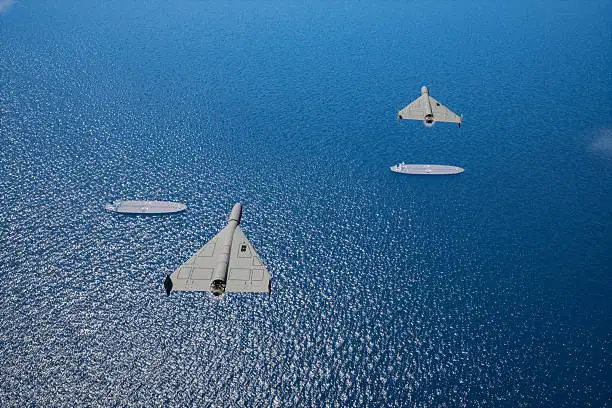
War‑Risk Insurance for Chemical & Fertilizer Tankers Set to Surge Again
War‑risk insurance premiums for chemical and fertilizer tankers are poised to climb sharply, raising freight costs and forcing shippers to rethink logistics strategies. The new price surge reflects heightened conflict risks in key shipping lanes and a tightening supply of under‑insured vessels. Companies must now balance cost, safety and supply chain resilience in a volatile market.

Sodium Bicarbonate: Post-Arthur Flood Disruption Could Tighten US Gulf Chemical Distribution
Weather-related disruptions are highlighting the importance of resilient logistics networks for food-grade chemical distribution.
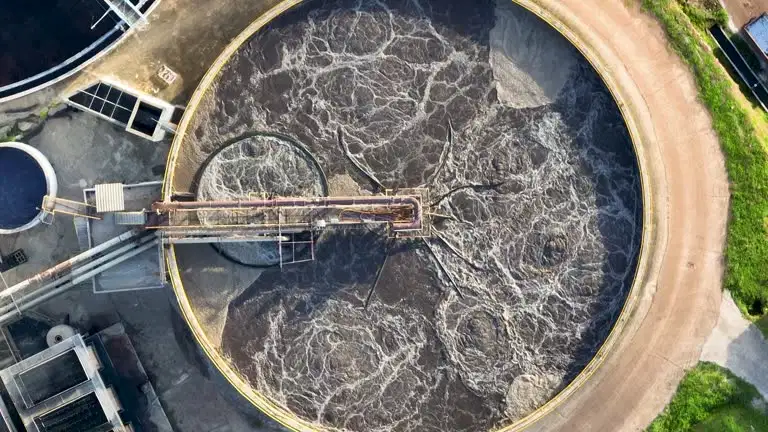
34 Shipping Crossings Revitalize GCC Water Treatment Supply
The Gulf Cooperation Council now sees 34 daily shipping crossings, easing the logistical bottleneck that had left utilities scrambling for water treatment chemicals. With production steady but transport limited, the new capacity realigns supply with demand, enabling utilities to rebuild safety stock for peak summer months. Strategic warehousing at Sohar, Khor Fakkan and Jebel Ali will further restore procurement flexibility.

Hydrogen Peroxide Supply Outlook 2026: European Market Tightens After Plant Closures
Hydrogen peroxide supply in Europe is entering a tighter phase after Solvay plant closures reduced regional production capacity. Buyers in bleaching, water treatment and industrial sectors need to evaluate alternative sourcing strategies as energy costs and supply availability shape the market.

FDA Leadership Transition Timing Could Affect Pharmaceutical Ingredient Import Approval Logistics
The pending FDA commissioner nomination process introduces timing uncertainty for pharmaceutical ingredient importers who rely on clear regulatory guidance when planning approval pathways and associated logistics.
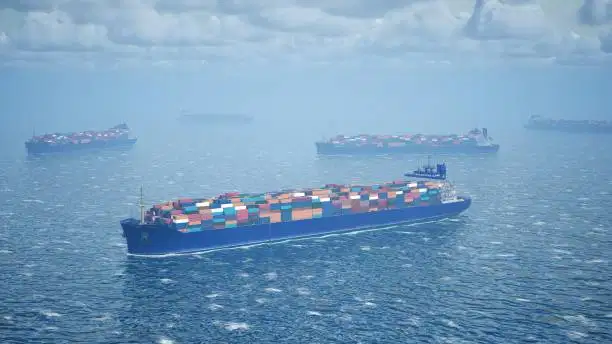
6,000 Seafarers Stranded as Hormuz Traffic Drops, Fueling Shipping Crisis
Approximately 6,000 seafarers are trapped in the Gulf as vessel movements through the Strait of Hormuz fall below normal levels. This bottleneck is not only an operational headache for shipping lines but also a humanitarian crisis and a threat to the chemical supply chain that fuels global commerce. The article explores the ripple effects across maritime logistics, crew welfare, and chemical transport.
Don't miss out on our updates! Subscribe to our newsletter now
We're committed to your privacy. Tradeasia uses the information you provide to us to contact you about our relevant content, products, and services. For more information, check out our privacy policy.