
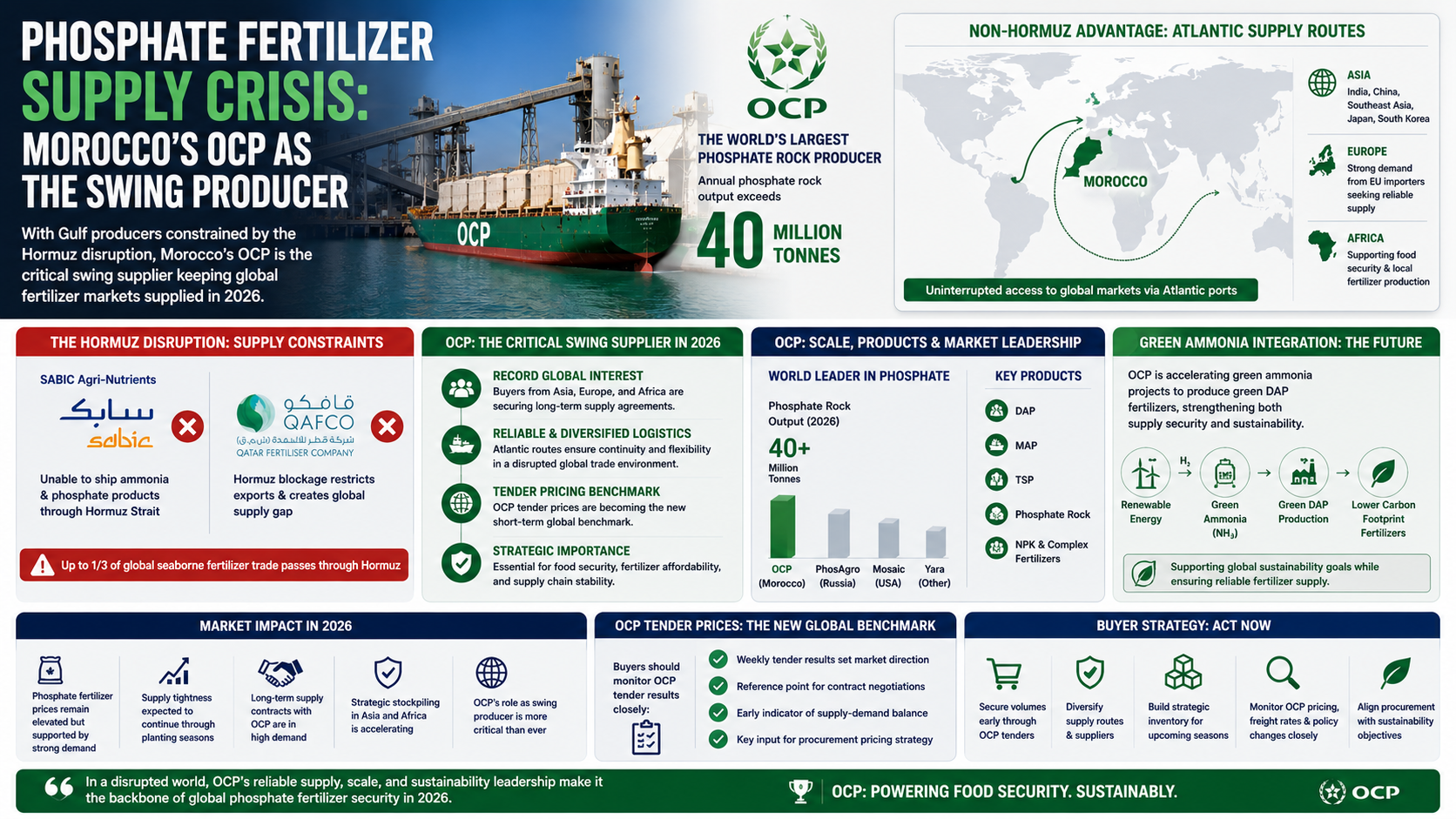
Dicalcium Phosphate CAS: 7757-93-9
Dicalcium Phosphate CAS: 7757-93-9
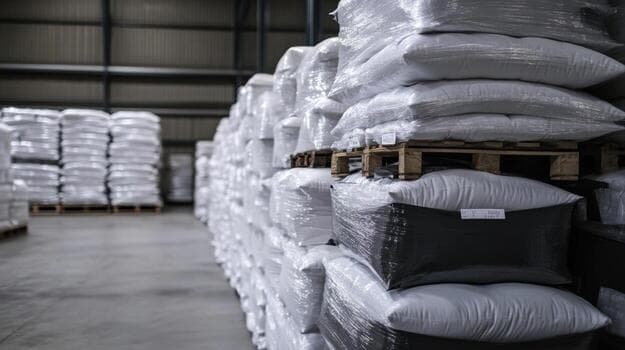
China's decision to delay phosphate exports until August, following earlier urea export restrictions, is influencing global fertilizer markets without formal trade bans. Procurement professionals should understand how export timing has become an increasingly important factor in supply chain planning.

Trade disruptions across the Middle East have accelerated a major shift in global polymer sourcing. This analysis explains how new trade routes are influencing procurement strategies, regional suppliers and long-term purchasing decisions for chemical buyers.
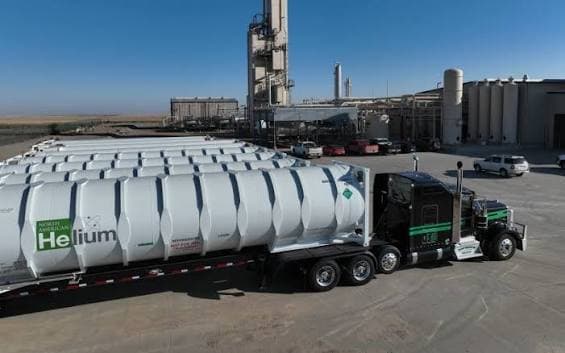
The 2026 Hormuz crisis created one of the most overlooked commodity disruptions in global markets: helium. Damage to Qatar’s Ras Laffan LNG infrastructure reduced helium production capacity, creating a structural supply shortage that may persist for years even as shipping conditions across Hormuz begin improving.
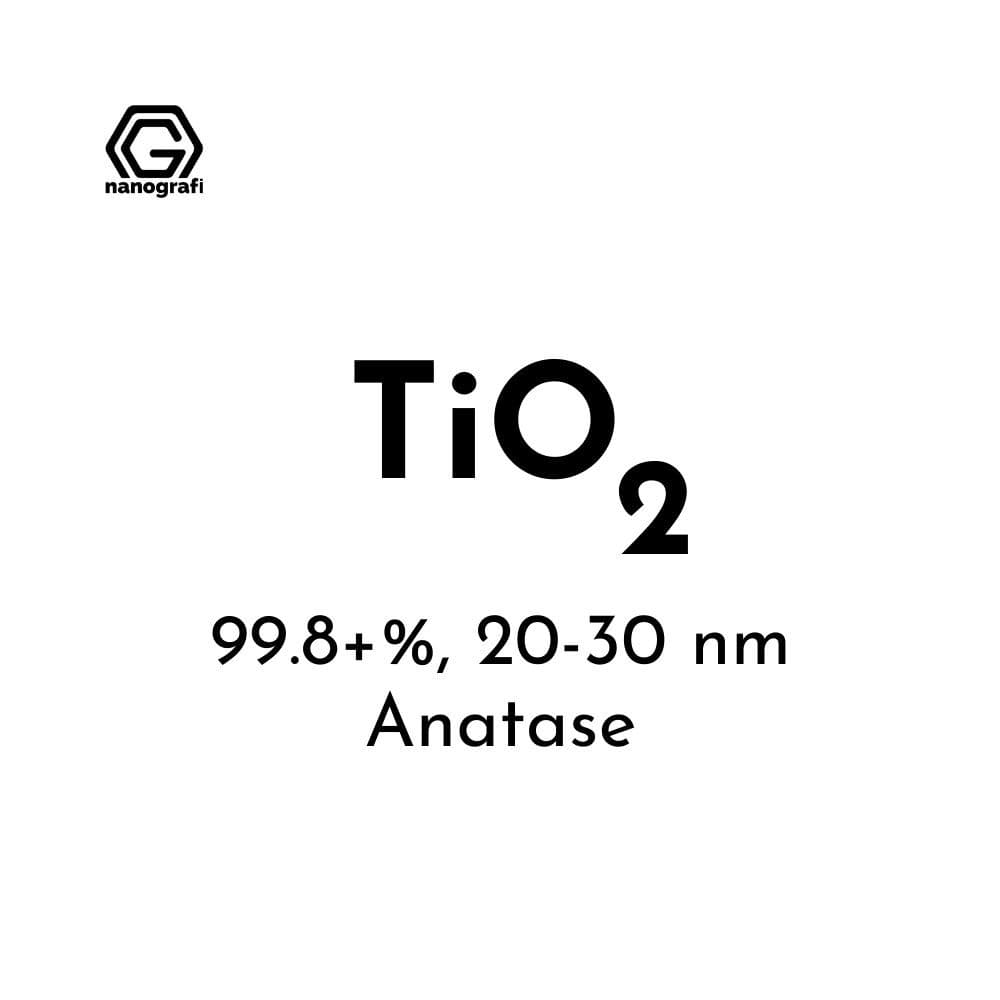
The global titanium dioxide (TiO2) market remains divided between Chinese oversupply and European supply constraints. As Brent crude falls below $80 per barrel and freight costs ease, Chinese TiO2 exports are becoming increasingly competitive in Europe, reshaping procurement decisions for coatings, plastics, and pigment buyers.

As the Hormuz crisis reshapes global oil flows, India’s ONGC is evaluating Venezuelan crude to secure feedstock for its expanding refinery network. This move signals a broader strategy to diversify imports and stabilize the country’s petrochemical supply chain by 2026.
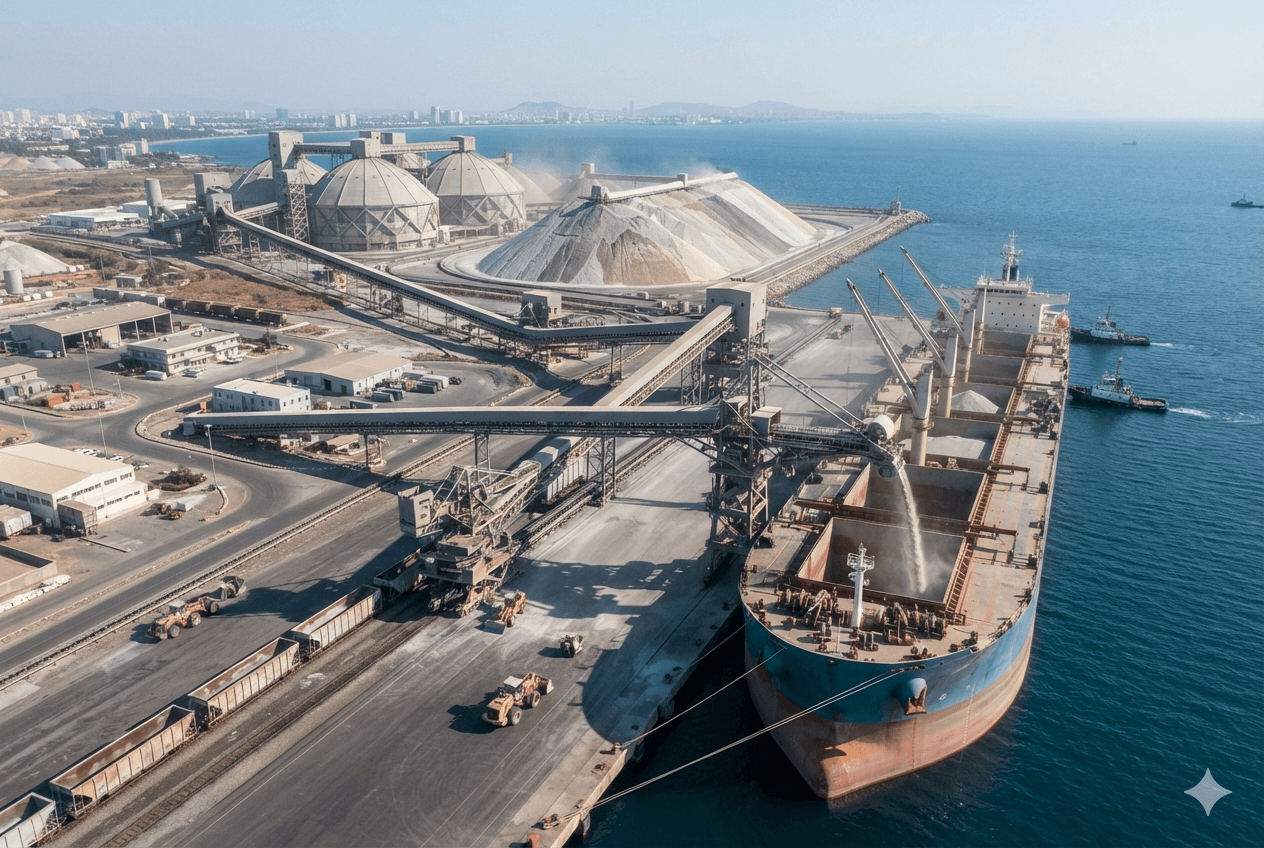
OCP Morocco's accelerated maintenance program has created temporary supply constraints in the global phosphate market. Buyers of rock phosphate, phosphoric acid and downstream phosphate fertilizers face increased procurement risks as availability tightens across key export channels.
We're committed to your privacy. Tradeasia uses the information you provide to us to contact you about our relevant content, products, and services. For more information, check out our privacy policy.