
Borax Decahydrate (Technical Grade) - Argentina CAS: 1303-96-4

Borax Decahydrate (Technical Grade) - Argentina CAS: 1303-96-4
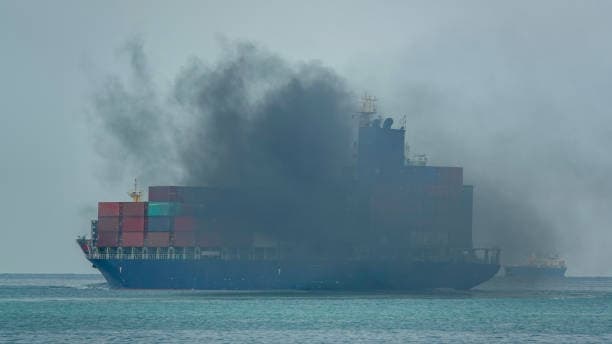
The fatal ADNOC tanker attack underscores the peril commercial vessels face. Beyond the tragic loss of life, such incidents ripple through safety protocols, crew welfare, insurance premiums, and chemical supply chains.

Canadian potash tariff uncertainty continues to shape U.S. buyers’ procurement decisions and pricing expectations, even though no formal trade barriers have been imposed. This article explores the lingering risk, its impact on supply chains, and strategic responses adopted by the industry.
Russia’s Yamal LNG surge has reshaped European chemical supply chains, offering short‑term gas security but exposing deeper vulnerability to external gas flows. Ammonia and methanol plants gained access to cheaper gas, yet spot premiums and sanctions risks loom. Procurement teams must factor these dynamics into cost and supplier risk models.
A structured weekly logistics intelligence brief for chemical supply chain professionals.

July 1 reveals the biggest contradiction of the Hormuz crisis so far: diplomacy suggests progress, but physical shipping data shows continued disruption. For chemical procurement professionals, understanding the gap between political signals and operational reality has become essential for making correct supply chain decisions.
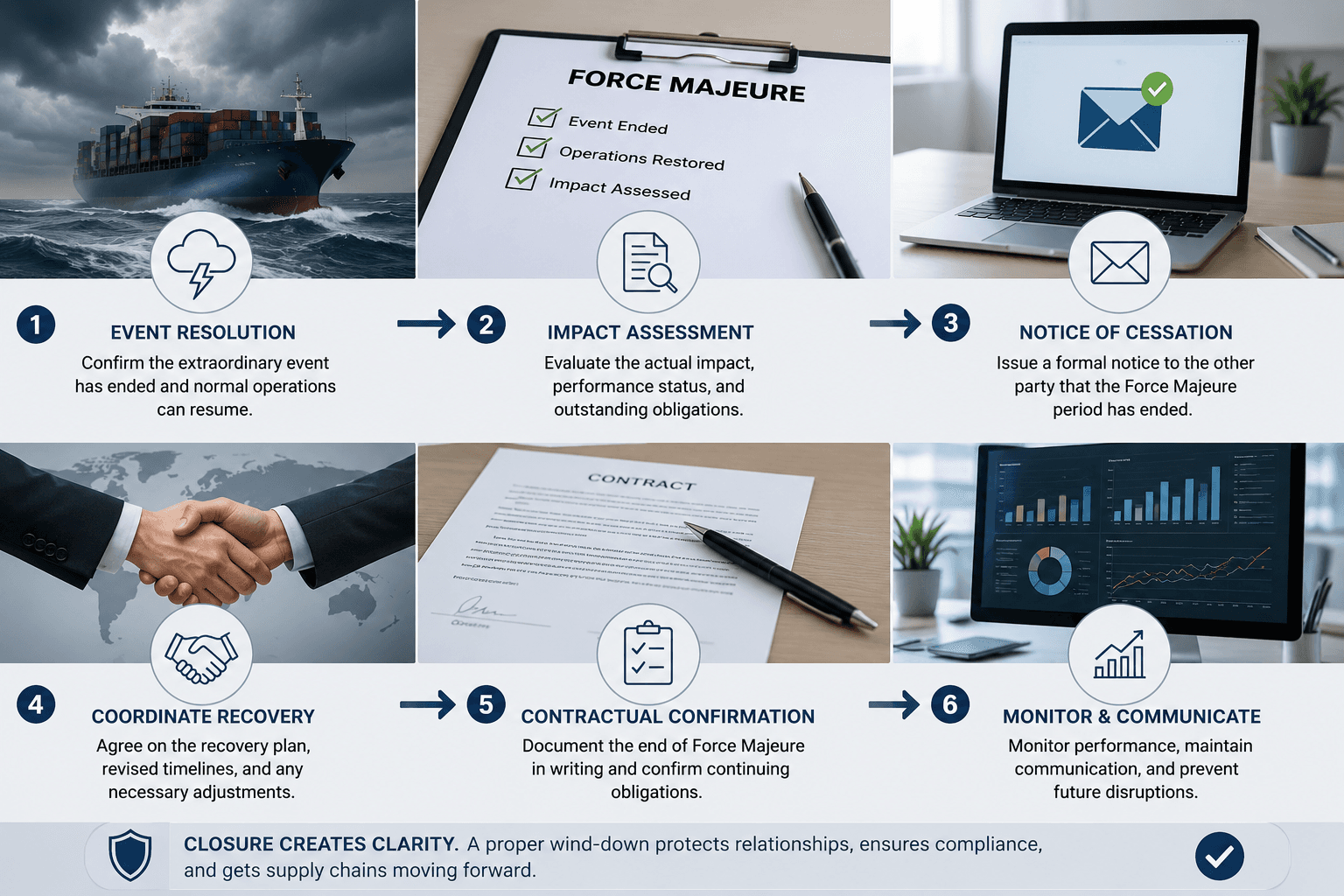
As global supply chains recover from the 2026 Hormuz disruption, companies must actively manage the formal closure of force majeure periods. Proper notice, pricing review, delivery schedule amendments, and legal review are critical to avoiding contract disputes after supply resumes.
We're committed to your privacy. Tradeasia uses the information you provide to us to contact you about our relevant content, products, and services. For more information, check out our privacy policy.