

Related Insights
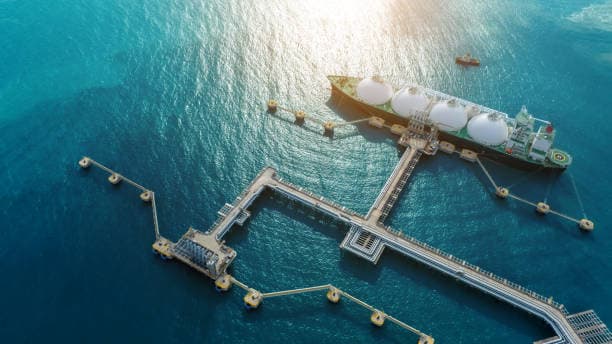
Natural Gas Trade Flows Stay Calm as Oil Markets Turbulent
While oil prices swing wildly, natural gas trade remains relatively steady. Analysts point to long‑term contracts, robust LNG logistics, and diversified supply chains as key stabilizers. This article explains why gas markets are weathering oil volatility and geopolitical tension.

Japan's China Fatigue: Why Chemical Makers Are Redirecting Investment to India
Japanese chemical manufacturers are shifting investment away from China toward India after years of deepening engagement in Chinese markets. The pivot centers particularly on solar materials and reflects broader frustrations with operating conditions in China that procurement teams managing Asian supply chains must understand as sourcing patterns reshape across the region.
Naphtha Supply Halted: How Asia's Petrochemical Makers Are Responding to Hormuz Disruptions
The disruption of naphtha shipments through the Strait of Hormuz has placed renewed pressure on Asia's petrochemical industry. Buyers of olefins, polymers and downstream petrochemicals should reassess feedstock exposure and supplier resilience as market conditions evolve.

ADNOC’s Dual Hubs: Ruwais Gearing Up as Secondary, Sohar Remains Primary Export Route
ADNOC’s two‑hub strategy reshapes the UAE chemical market. While Ruwais ramps up convoy operations, Sohar continues to dominate due to its established logistics network and lower congestion. Chemical buyers must weigh cost, risk, and supply‑chain nuances for Q3 2026.

Tropical Storm Arthur: US Gulf Coast Chemical Shipping Disruption and What Buyers Should Monitor
Tropical Storm Arthur is disrupting operations across the US Gulf Coast chemical corridor, affecting ports, rail networks and petrochemical facilities. While the storm is not expected to become a major hurricane, buyers should prepare for temporary logistics delays and closely monitor July shipment schedules.

Force Majeure Wind-Down in H1 2026: Legal and Commercial Reset for Chemical Supply Contracts
Force majeure declarations triggered by the Hormuz crisis are now entering a structured wind-down phase across chemical supply chains. Procurement and legal teams must formalise documentation to avoid pricing disputes, liability gaps and contract ambiguity in H2 2026.
Don't miss out on our updates! Subscribe to our newsletter now
We're committed to your privacy. Tradeasia uses the information you provide to us to contact you about our relevant content, products, and services. For more information, check out our privacy policy.