Explore our network of country and industry based websites to access localized information, product offerings, and business services across our group.
Log in to start sending quotation requests for any product.
Don't have an account? Sign Up Here
Log in now to access technical product documents from our product range.
Don't have an account? Sign Up Here
Home All Products L-Tryptophan
|
IUPAC Name |
: L-Tryptophan |
|
Cas Number |
: 73-22-3 |
|
HS Code |
: 29224990 |
|
Formula |
: C11H12N2O2 |
|
Appearance Name |
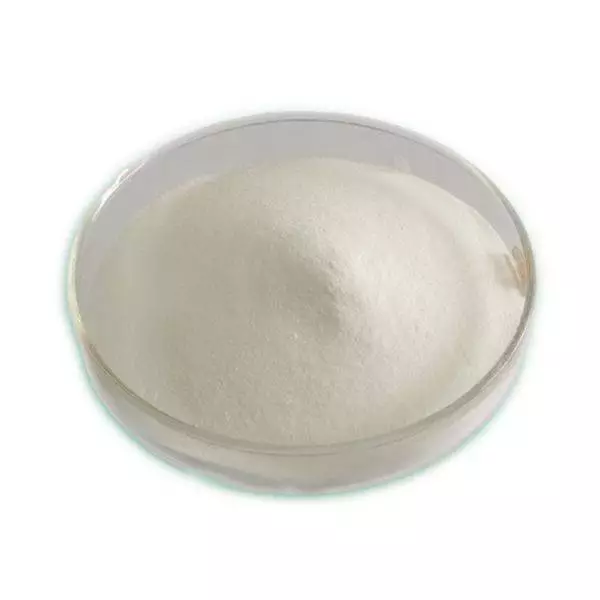
: White or slightly yellowish crystalline powder |
|
Common Names |
: L-Triptofano, L-Trypt, L-2-amino-3-(indole-3-yl) propionic acid |
|
Packaging |
: 25 Kg Bag |
For more detailed information including pricing, customization, and shipping:
Brief Overview:
L-Tryptophan is an essential amino acid which important for growth and stress reducer. It also helps developing animal organs and optimalizing immune system. L-Tryptophan is commonly sythesized in the plants and microorganisms.
Manufacturing Process
L-tryptophan is produced by incubating a microbe capable of producing L-tryptophan and capable of constitutive expression of maleate synthase·isocitrate lyase·isocitrate dehydrogenase kinase/phosphatase operon in a culture medium so as to generate and accumulate L-tryptophan in the culture medium and harvesting the L-tryptophan. In commercial industry, Tryptophan is produced by biological synthetic based on fermentation process of serine and indole using either wild-type or genetically modified from bacteria such as B. amyloliquefaciens, B. subtilis, C. glutamicum or E. coli.
Animal Feed Industry
The product is widely used as premixture raw material and feed additive with following benefits:
• Provides essential amino acids for animals
• Provides essential for monogastric animals
• Increases animal production, animal performance, and animal weight gain
• Results in high efficiency due to shorter production cycle
• Enhances feed intake, since tryptophan is a precursor of the neurotransmitter serotonin, which affects the appetite
• Improves the digestive capacity of young animal particularly in the post-weaning period, whichreduce the frequency and severity of poor gut health and bacterial proliferation.



 English

 Indonesian
 简体字
简体字
 العربية
 Español
 Français
 Português
 日本語
日本語
 한국어
한국어
 Tiếng Việt





















---china.webp)