Explore our network of country and industry based websites to access localized information, product offerings, and business services across our group.
Log in to start sending quotation requests for any product.
Don't have an account? Sign Up Here
Log in now to access technical product documents from our product range.
Don't have an account? Sign Up Here
Home All Products Coconut Oil
|
IUPAC Name |
: (1-Decanoyloxy-3-octanoyloxypropan-2-yl) dodecanoa |
|
Cas Number |
: 8001-31-8 |
|
HS Code |
: 1513.11.10 |
|
Formula |
: C33H62O6 |
|
Appearance Name |
: Yellow Liquid |
|
Common Names |
: Coconut Fat |
|
Packaging |
: 25 kg drum |
For more detailed information including pricing, customization, and shipping:
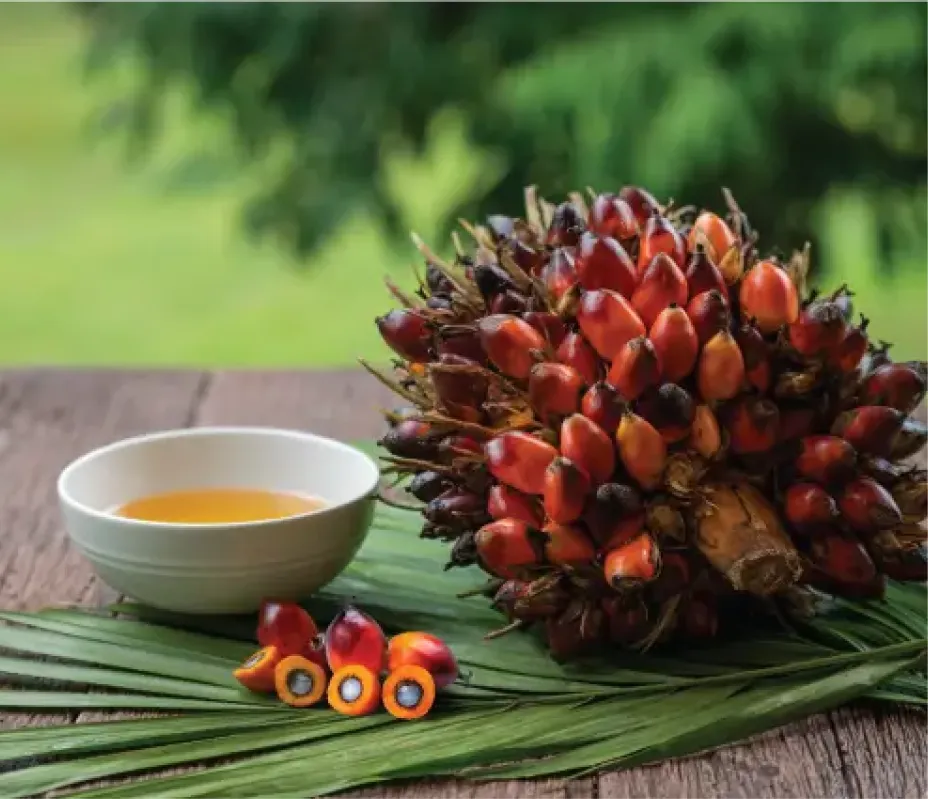
Coconut oil is extracted from coconut kernel through dry (copra pressing → RBD refining) or wet (fresh meat/milk centrifugation → VCO) processing, used as tropical oil, frying fat, shortening, and flavor carrier (INS not assigned) providing 90% saturated fats (48% lauric acid), superior oxidative stability (OSI 20+ hours 110°C), and clean melting profile ideal for confectionery, bakery, frying, and dairy alternatives. In the food industry, it delivers high-temperature performance without hydrogenation and natural MCT energy source.
Frying operations: Primary fat for french fries, doughnuts, snack foods with 12+ hour fry life, minimal oil absorption (8-12%), golden color without darkening, resists flavor reversion during extended use.
Confectionery: Creates snap in compound chocolate coatings, toffees, caramels through beta crystal stability, non-tempering alternative to cocoa butter, prevents fat bloom in summer storage.
Bakery products: Shortening base for biscuits, pastries, cakes providing tender crumb and high volume through steam leavening, extends shelf life preventing oxidative rancidity in high-fat formulas.
Dairy alternatives: Fat phase for non-dairy creamers, ice creams, coffee whiteners creating authentic cream mouthfeel, stable emulsions preventing feathering in hot beverages.
Infant formula: MCT source (53-63%) improving fat absorption in newborns, lauric acid antimicrobial properties, closest match to human breast milk fatty acid profile.
In cosmetics, hair conditioner and skin moisturizer through lauric acid penetration. Pharmaceuticals, suppository base and pill coating fat. Soaps/detergents, produces high-foaming laurate soaps. Biodiesel, renewable fuel with excellent cold flow properties. Technical applications, mold release agent and metalworking lubricant.



 English

 Indonesian
 简体字
简体字
 العربية
 Español
 Français
 Português
 日本語
日本語
 한국어
한국어
 Tiếng Việt